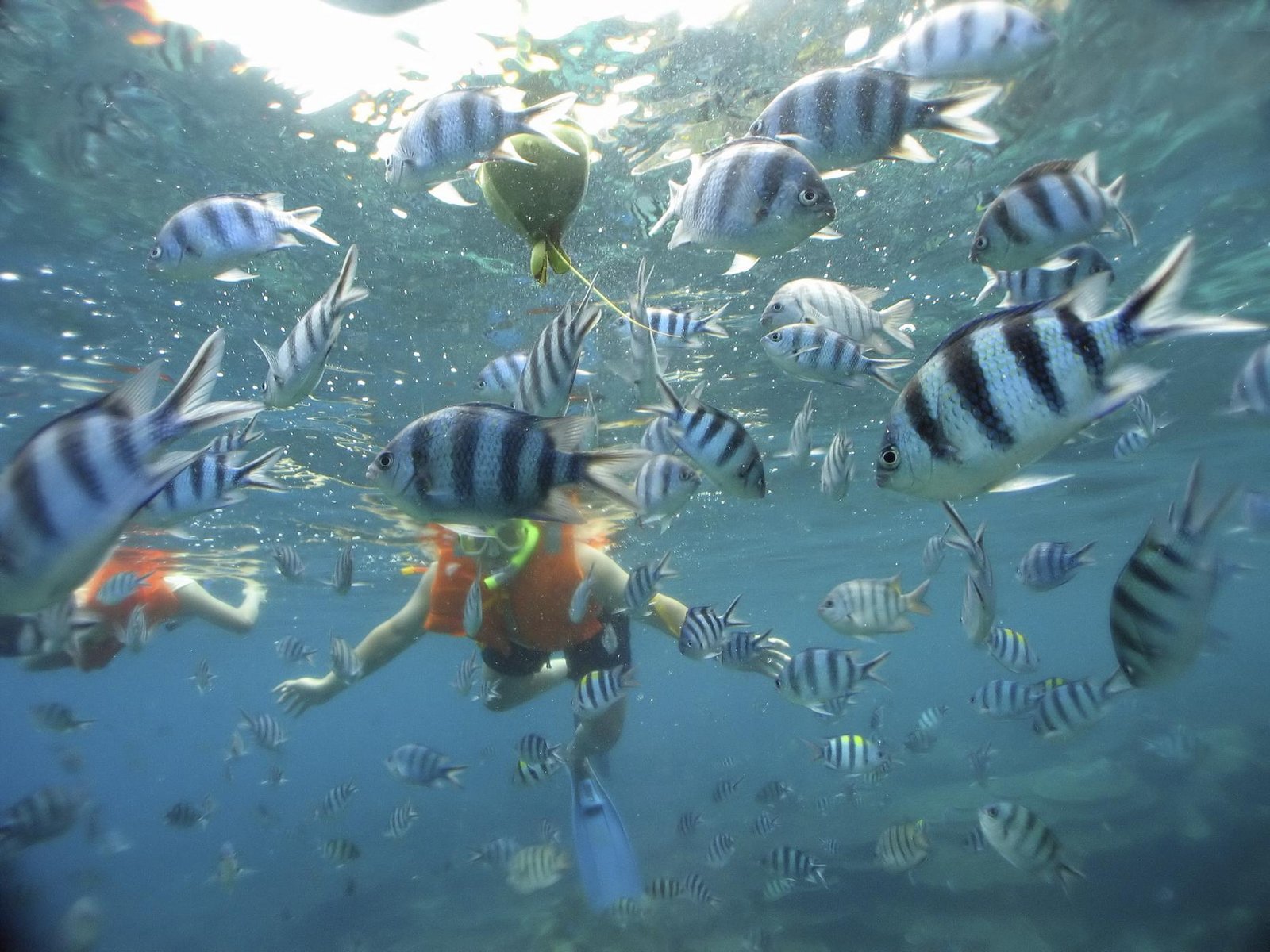
SABANG – PULAU WEH
Pulau Weh, Sabang – Discover the Tropical Paradise of Aceh, Sumatra, Indonesia
Explore Pristine Beaches, Crystal-Clear Waters, World-Class Diving, Snorkelling, Volcanic Landscapes and Authentic Island Culture with Sumatra Tour & Travel
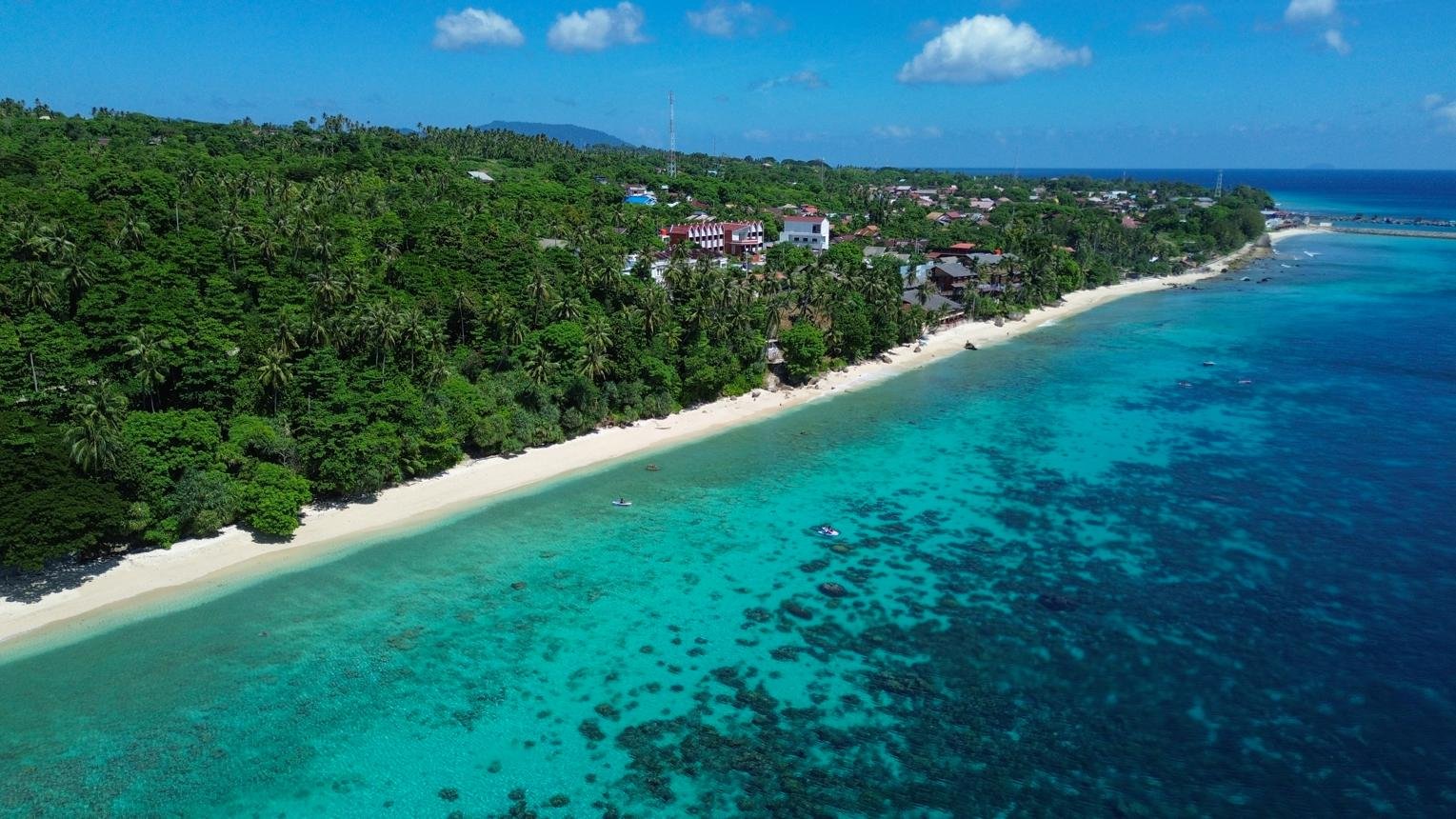
Introduction to Pulau Weh, Sabang
Welcome to Pulau Weh, one of Indonesia’s most beautiful tropical island destinations, located at the northwestern tip of Sumatra, in Aceh Province.
Surrounded by the crystal-clear waters of the Andaman Sea and the Indian Ocean, Pulau Weh is famous for its spectacular underwater world, colourful coral reefs, beautiful beaches, volcanic landscapes and peaceful island atmosphere.
The island is part of the Sabang administrative region and is widely recognised as one of Indonesia’s outstanding destinations for scuba diving, snorkelling and tropical marine tourism.
Pulau Weh offers a wonderful combination of natural beauty, adventure, relaxation and cultural experiences. Visitors can explore secluded beaches, swim in turquoise waters, discover vibrant coral reefs, enjoy fresh seafood and experience the friendly hospitality of the local Acehnese community.
One of the island’s most famous attractions is Kilometer Nol Indonesia (Indonesia’s Zero Kilometre Monument), marking the westernmost geographical point of Indonesia’s national territory.
For international travellers seeking a tropical destination away from busy commercial resorts, Pulau Weh offers a remarkable island experience with plenty of opportunities for exploration.
Whether you are a scuba diving enthusiast, snorkelling lover, adventure traveller, photographer, couple or family looking for a peaceful beach holiday, Pulau Weh has something special to offer.
At Sumatra Tour & Travel, we invite you to discover the natural beauty of Pulau Weh and experience one of Aceh’s most spectacular island destinations.
The Natural Beauty of Pulau Weh
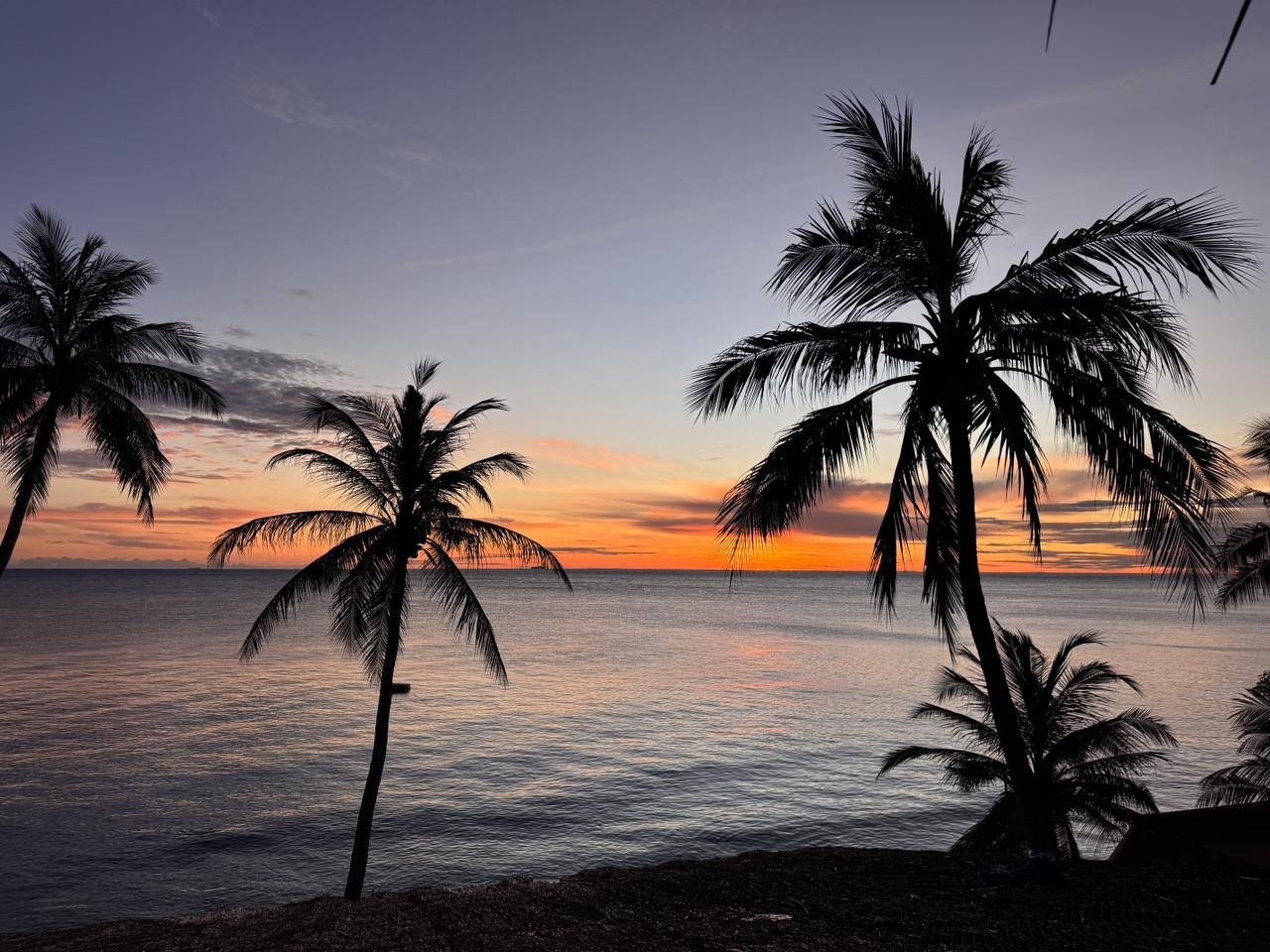
Pulau Weh is blessed with an extraordinary natural environment that makes it one of the most attractive island destinations in Indonesia.
The landscape combines volcanic hills, tropical vegetation, rocky coastal formations, white-sand beaches and beautiful ocean views.
Unlike heavily developed holiday destinations, many parts of Pulau Weh retain a peaceful tropical atmosphere.
Visitors can spend their days exploring beautiful beaches, swimming in clear water, discovering underwater marine life or simply relaxing beneath coconut trees.
The island’s volcanic origins have also contributed to its distinctive coastal geography, creating interesting rock formations and underwater landscapes.
What Makes Pulau Weh Special?
-
Beautiful tropical beaches.
-
Crystal-clear water in suitable weather conditions.
-
Excellent marine biodiversity.
-
Spectacular volcanic scenery.
-
Peaceful island villages.
-
Scenic coastal roads.
-
Beautiful ocean viewpoints.
-
Wonderful opportunities for underwater photography.
For travellers who appreciate nature and outdoor activities, Pulau Weh offers a memorable experience throughout their stay.
4. The Best Beaches to Visit in Pulau Weh, Sabang
Pulau Weh has several beautiful beaches, each offering a different atmosphere and experience. From peaceful white-sand beaches and sheltered swimming areas to volcanic black-sand coastlines and dramatic rocky shores, the island has something for every type of traveller.
Where Is Pulau Weh Located?
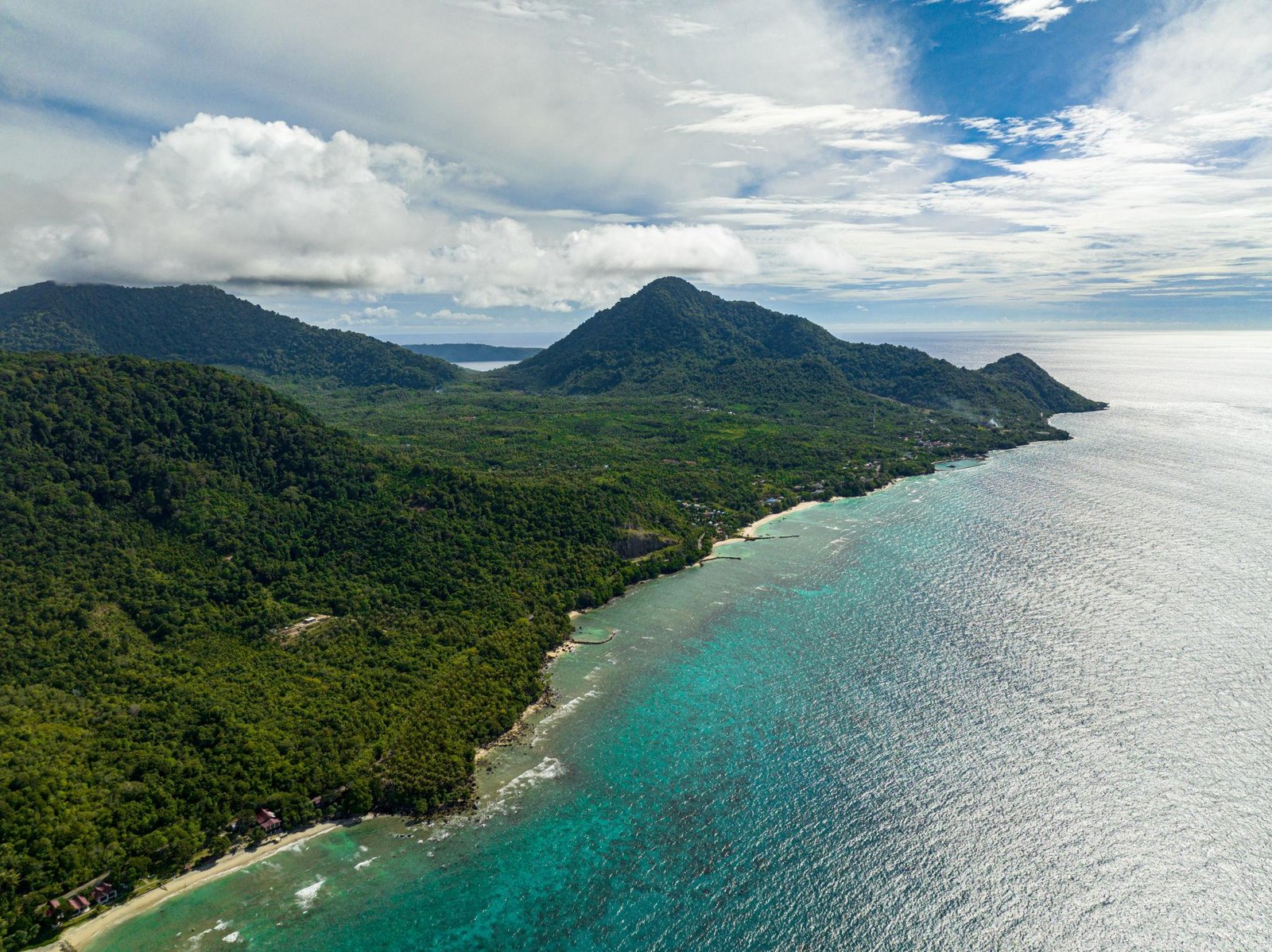
Pulau Weh is a small volcanic island located off the northwestern coast of Sumatra, Indonesia. It belongs to the Sabang municipality in Aceh Province.
The island is situated near the entrance of the Strait of Malacca, where the waters of the Andaman Sea and the surrounding Indian Ocean meet.
Its geographical location gives Pulau Weh a unique marine environment, supporting a variety of tropical fish, coral reefs and other marine species.
The main town is Sabang, which serves as the administrative and commercial centre of the island.
Pulau Weh is particularly famous for:
-
Spectacular scuba diving and snorkelling.
-
Beautiful beaches and turquoise lagoons.
-
Colourful tropical coral reefs.
-
Volcanic coastal landscapes.
-
Indonesia’s Zero Kilometre Monument.
-
Traditional Acehnese culture and cuisine.
-
Peaceful tropical island accommodation.
The island is an excellent destination for visitors who want to combine marine adventures with relaxation and cultural discovery.
The Best Beaches to Visit in Pulau Weh, Sabang
Pulau Weh has several beautiful beaches, each offering a different atmosphere and experience. From peaceful white-sand beaches and sheltered swimming areas to volcanic black-sand coastlines and dramatic rocky shores, the island has something for every type of traveller.
Iboih Beach – A Tropical Paradise
Iboih Beach is one of the most famous beaches in Pulau Weh and a favourite destination among international travellers.
Located on the northwestern side of the island, Iboih is known for its beautiful coastline, clear tropical waters, surrounding green hills and relaxed island atmosphere.
The beach is also an excellent starting point for boat trips to nearby Rubiah Island, one of the most popular snorkelling destinations in Sabang.
Visitors can enjoy:
-
Snorkelling in clear tropical water.
-
Swimming in suitable coastal areas.
-
Boat trips to Rubiah Island.
-
Scuba diving with local dive centres.
-
Relaxing in beachfront cafés.
-
Enjoying beautiful ocean views.
-
Staying in simple tropical guesthouses and bungalows.
Iboih is particularly suitable for backpackers, couples, divers and travellers who want to enjoy a relaxed tropical holiday
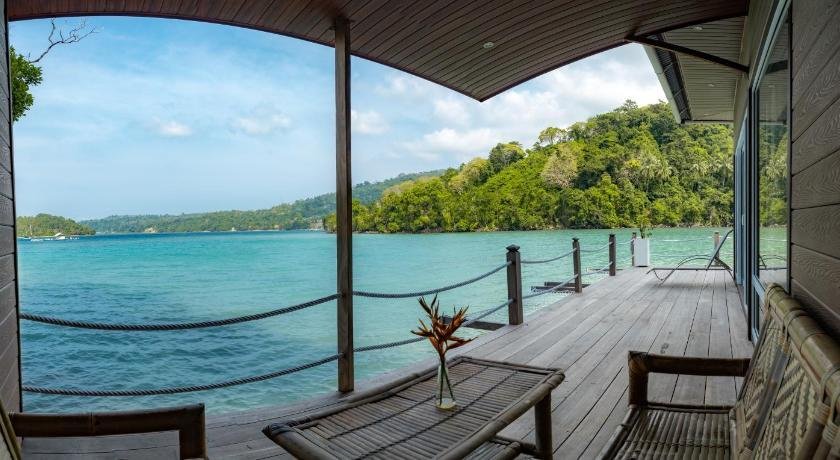
Gapang Beach – A Peaceful Beach Destination
Gapang Beach is another beautiful coastal destination, known for its peaceful atmosphere, tropical vegetation and attractive shoreline.
The beach is surrounded by coconut trees and lush green hills, creating a relaxing environment for visitors who want to enjoy the natural beauty of Pulau Weh.
Gapang is also known for its diving facilities and access to underwater exploration.
Popular activities include:
-
Swimming and beach relaxation.
-
Scuba diving.
-
Snorkelling in suitable locations.
-
Exploring the surrounding coastline.
-
Enjoying local food and refreshments.
-
Watching beautiful tropical sunsets.
Gapang is a good choice for travellers looking for a quieter alternative to the busier areas of Iboih.
Sumur Tiga Beach – Beautiful Sunrise Views
Sumur Tiga Beach is one of the most attractive beaches on the eastern side of Pulau Weh.
It is famous for its long coastline, beautiful tropical scenery, palm trees and clear coastal waters.
Because of its eastern-facing position, Sumur Tiga is particularly attractive for visitors who enjoy watching the sunrise.
The beach offers a different atmosphere from the western side of the island, with beautiful open coastal views and accommodation options nearby.
It is an excellent place for:
-
Early morning beach walks.
-
Sunrise photography.
-
Swimming when conditions are suitable.
-
Relaxing by the ocean.
-
Enjoying fresh seafood.
-
Exploring nearby coastal villages.
Anoi Itam Beach – The Unique Black-Sand Beach
Anoi Itam Beach is a distinctive coastal attraction known for its dark volcanic sand.
Unlike the lighter sandy beaches found elsewhere on Pulau Weh, Anoi Itam features naturally dark sand created by volcanic geological processes.
The contrast between the black sand, turquoise sea and surrounding green landscape makes this beach particularly interesting for photographers and nature enthusiasts.
Visitors can enjoy the coastal scenery, learn about the island’s volcanic origins and explore nearby viewpoints.
Pulau Rubiah – Discover the Famous Underwater Paradise
One of the biggest highlights of visiting Pulau Weh is exploring the beautiful marine environment around Pulau Rubiah.
Located just offshore from Iboih Beach, Rubiah Island is famous for its clear water, colourful coral reefs and impressive diversity of tropical fish.
The island is one of Sabang’s most popular marine tourism attractions and is particularly well known for snorkelling and scuba diving.
Why Visit Pulau Rubiah?
The shallow waters around Rubiah offer excellent opportunities for visitors to discover the underwater world without needing advanced diving experience.
Visitors may encounter:
-
Colourful tropical reef fish.
-
Coral gardens.
-
Sea anemones.
-
Butterflyfish and angelfish.
-
Clownfish.
-
Sea turtles in the wider marine environment.
-
Other fascinating marine organisms.
Snorkelling at Rubiah Sea Garden
The famous Rubiah Sea Garden is one of the island’s main attractions.
Visitors can rent snorkelling equipment from local operators and explore selected areas of the reef.
A short boat journey from Iboih takes visitors to the island, where they can enjoy swimming and underwater exploration.
The shallow, sheltered areas can be suitable for beginners when sea conditions are favourable.
A Great Experience for Families and Couples
Rubiah Island is an excellent destination for couples, families with older children, snorkelling enthusiasts and photographers.
Even visitors who do not scuba dive can enjoy the underwater beauty of this remarkable marine environment.
The local tourism authority continues to promote Rubiah as an important marine tourism and conservation destination
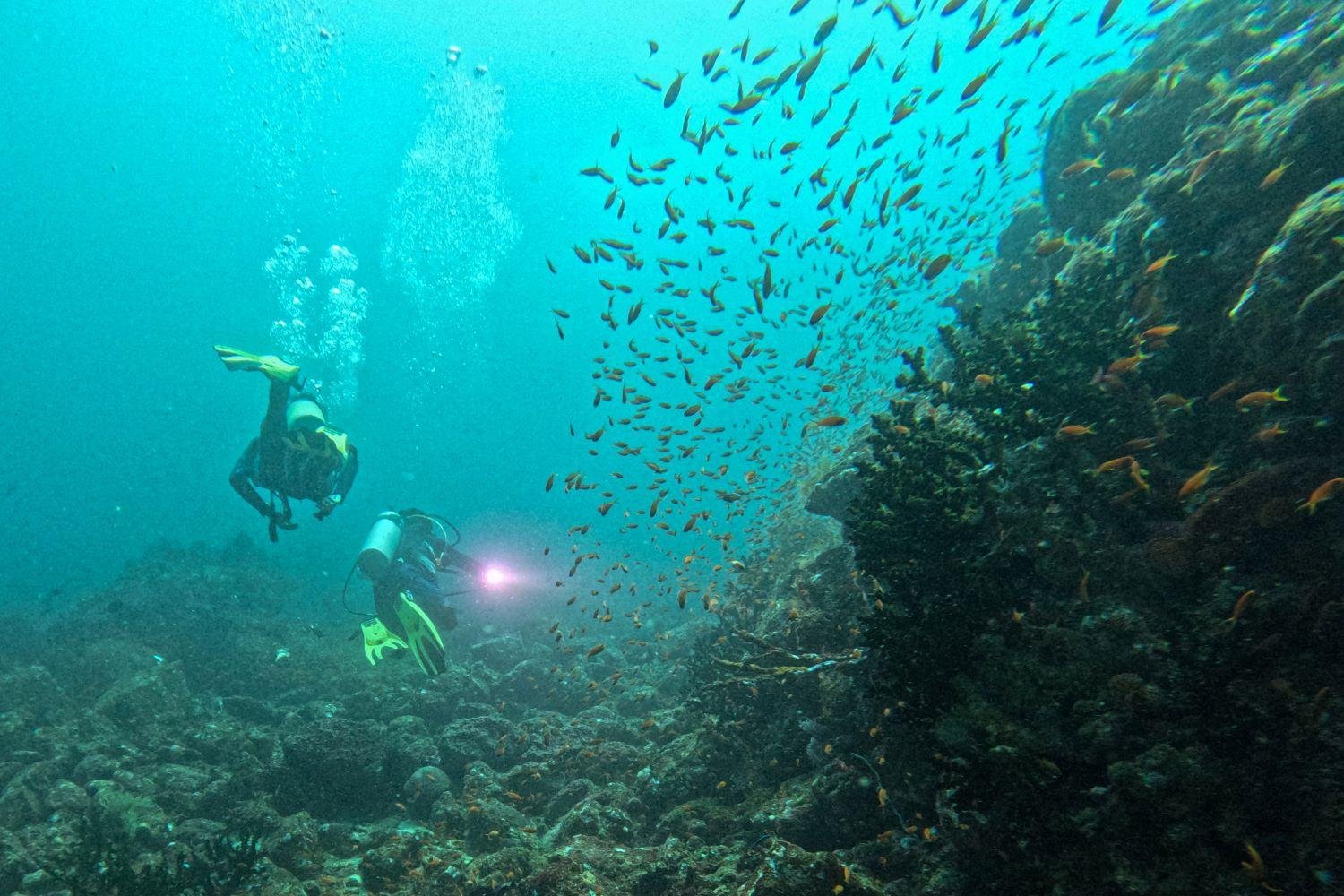
Scuba Diving in Pulau Weh – One of Indonesia’s Outstanding Diving Destinations
Pulau Weh is widely recognised as one of Indonesia’s attractive scuba diving destinations.
Its location near the entrance of the Strait of Malacca creates a marine environment with interesting underwater topography, coral formations, tropical fish and deeper ocean habitats.
The island attracts divers from different parts of the world who come to explore its reefs, underwater pinnacles, walls and volcanic features.
Popular Diving Locations
Rubiah Sea Garden
A beautiful coral reef area with colourful tropical fish. It is suitable for relaxed diving and training in appropriate conditions.
Batee Tokong
Known among experienced divers for its underwater formations and marine life. Currents can be strong, so diving should be organised according to the diver’s experience.
The Canyon
An interesting underwater location featuring dramatic underwater topography and opportunities to observe larger reef fish.
Sophie Rickmers Wreck
An historic shipwreck dive site associated with a sunken cargo vessel. It is particularly interesting for experienced wreck-diving enthusiasts.
Anoi Itam
A distinctive volcanic-sand environment that offers opportunities to discover unusual smaller marine species.
What Marine Life Can Divers Discover?
Depending on the dive site and conditions, divers may encounter:
-
Reef sharks.
-
Sea turtles.
-
Barracudas.
-
Trevallies.
-
Napoleon wrasse.
-
Bumphead parrotfish.
-
Colourful reef fish.
-
Nudibranchs and other small marine creatures.
-
Large schools of tropical fish.
Marine wildlife encounters are never guaranteed. Strong currents, visibility and underwater conditions vary between dive sites.
Diving for Beginners and Experienced Divers
Pulau Weh offers diving experiences for different skill levels.
Beginners can arrange introductory dives and certification courses through qualified dive centres.
Certified divers can explore more challenging dive sites with professional guides.
We recommend selecting dive locations according to your certification, experience, health and current sea conditions.
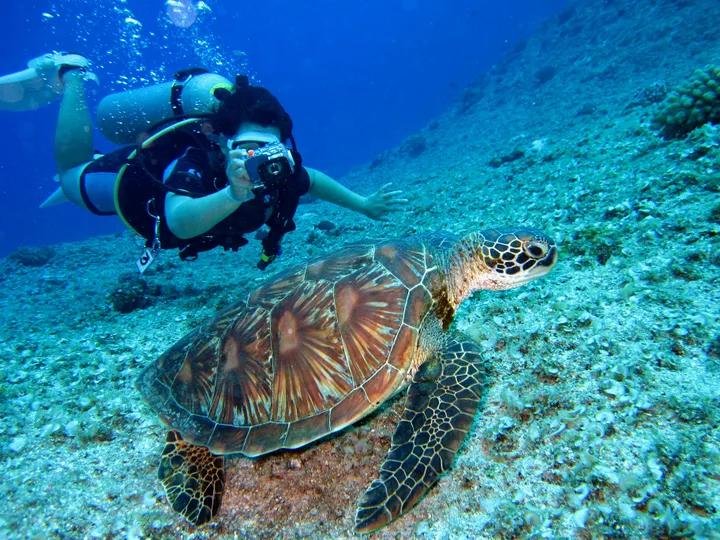
Snorkelling in Pulau Weh – Explore the Colourful Coral Reefs
Not every visitor needs scuba diving equipment to enjoy the marine beauty of Pulau Weh.
Snorkelling is one of the easiest and most enjoyable activities on the island, particularly around Iboih and Pulau Rubiah.
The clear tropical waters and accessible reef areas make it possible to discover colourful underwater scenery while swimming near the surface.
Best Places for Snorkelling
-
Pulau Rubiah Sea Garden.
-
Iboih coastal waters.
-
Selected areas around Gapang.
-
Other suitable sheltered reef locations recommended by local guides.
What to Bring
-
Snorkelling mask.
-
Snorkel tube.
-
Swimming fins.
-
Life jacket if required.
-
Waterproof camera.
-
Reef-safe sun protection.
For beginners, we recommend arranging a guided snorkelling trip with a local operator.
Always avoid touching coral, chasing marine animals or swimming into areas with strong currents.