Welcome to Bukit Lawang, one of the most fascinating nature destinations in Indonesia. Located on the edge of the magnificent Gunung Leuser rainforest in North Sumatra, Bukit Lawang is famous for its lush tropical jungle, wild orangutans, winding rivers, traditional village atmosphere and unforgettable outdoor adventures.
For travellers looking to experience the natural beauty of Sumatra, Bukit Lawang offers a unique opportunity to explore one of Southeast Asia’s most important rainforest landscapes. From guided jungle trekking and wildlife observation to river tubing, village walks and authentic Indonesian cuisine, this welcoming destination combines adventure, culture and relaxation.
Whether you are planning a short jungle walk, a full-day trek or a multi-day expedition with overnight camping in the rainforest, Bukit Lawang is an excellent destination for discovering the wild side of Sumatra.
At Sumatra Tour & Travel, we help travellers explore Bukit Lawang through guided rainforest adventures, local experiences and carefully organised tours designed to make your visit memorable, enjoyable and responsible.
1. Where Is Bukit Lawang?
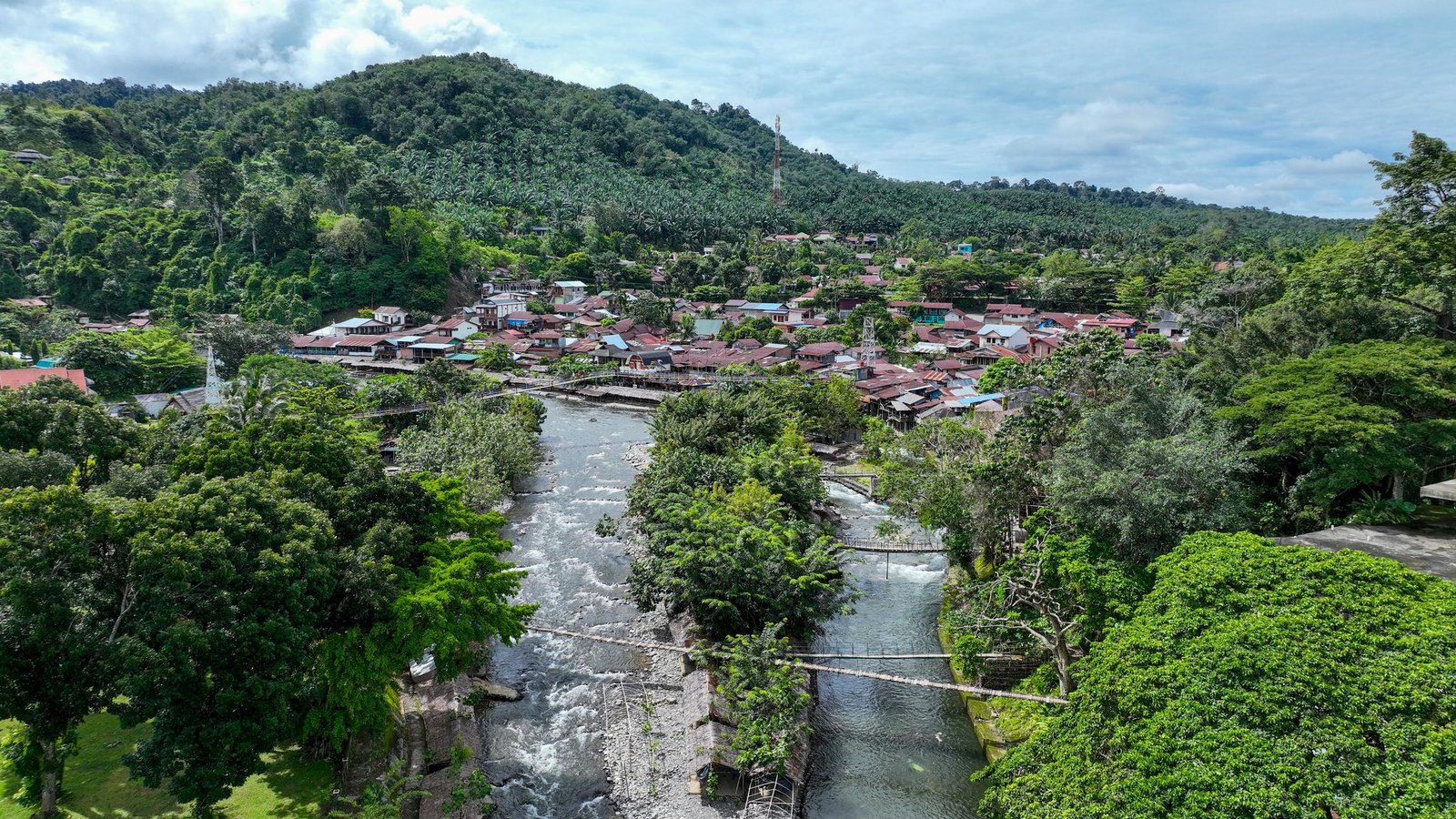
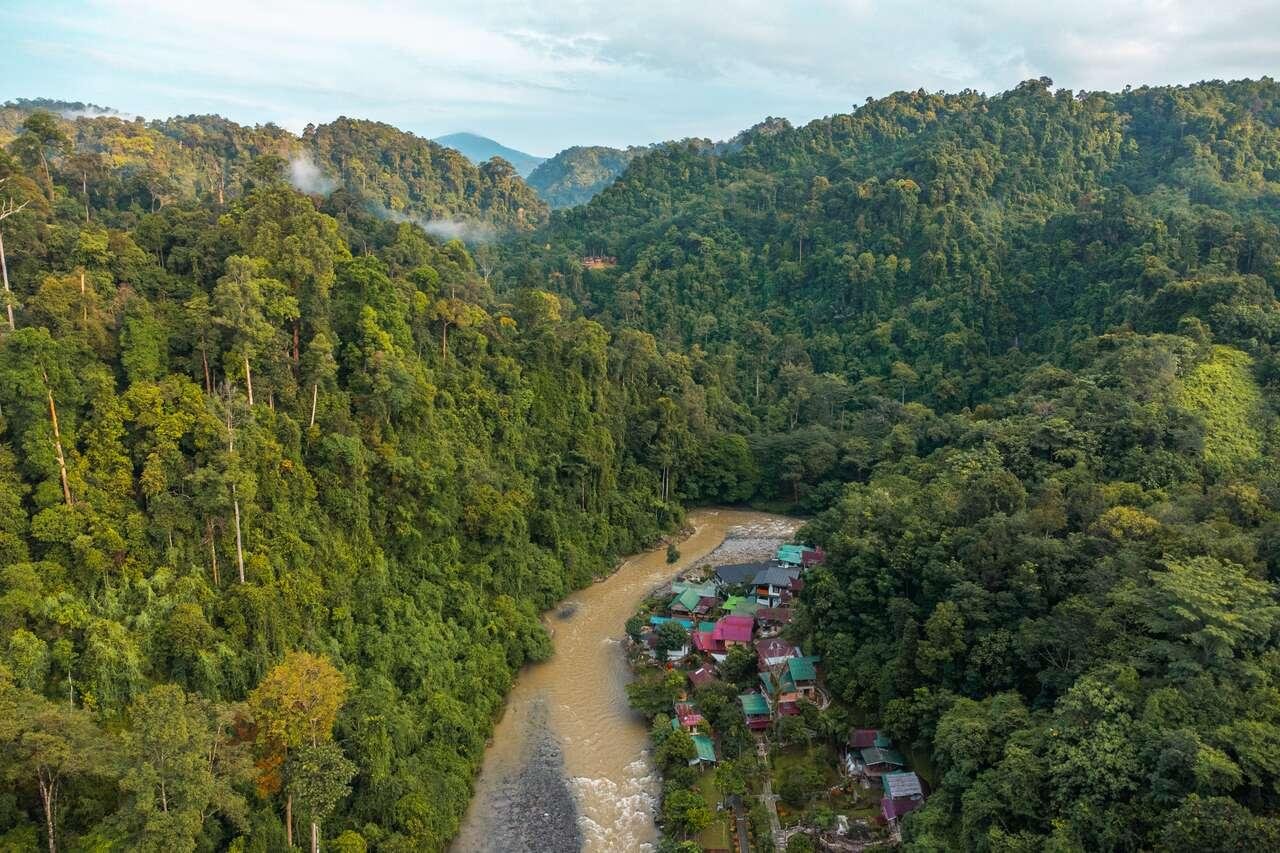
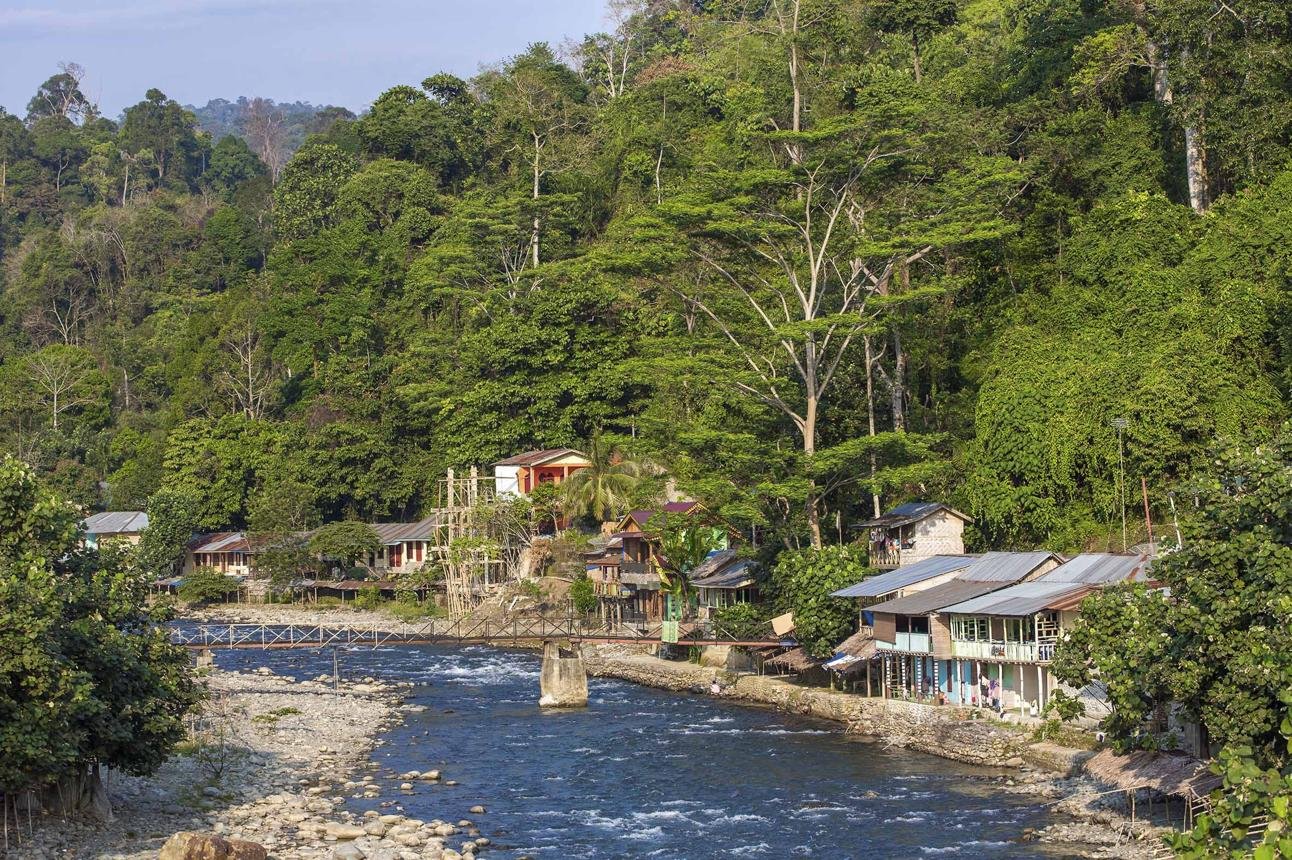
Bukit Lawang is a small rainforest village in Langkat Regency, North Sumatra, Indonesia. It lies beside the Bohorok River, surrounded by tropical forest, green hills and the extraordinary biodiversity of the Gunung Leuser landscape.
The village is one of the main gateways for visitors wishing to explore the rainforest and search for wildlife, particularly the endangered Sumatran orangutan.
Bukit Lawang is approximately 85–100 kilometres from Medan, depending on the route and starting point. The journey generally takes around 3–4 hours by private car, although traffic and road conditions can affect travel time.
Its accessible location makes Bukit Lawang an excellent addition to a wider North Sumatra itinerary, including Medan, Tangkahan, Berastagi, Lake Toba and Samosir Island.
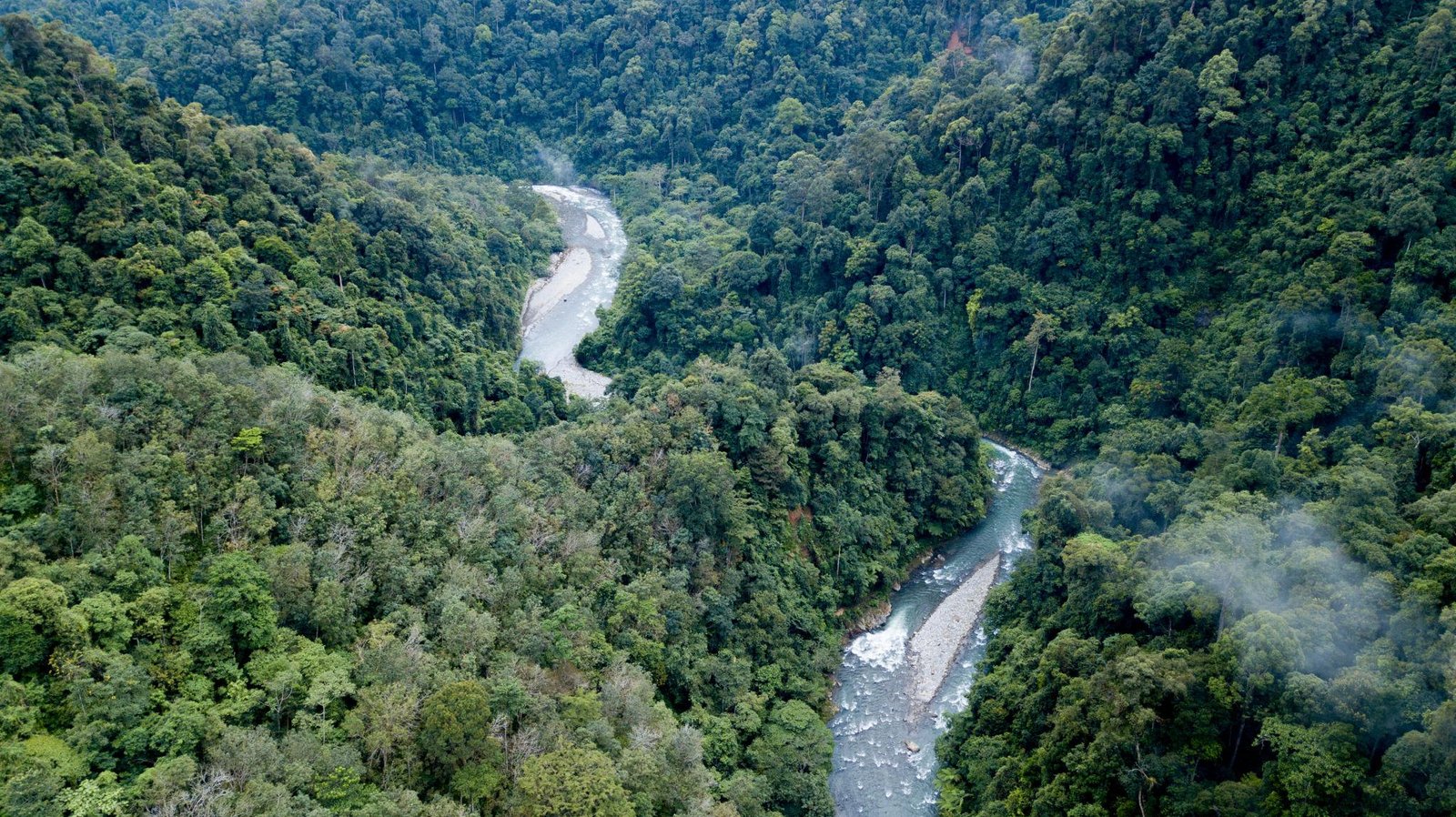
2. Gunung Leuser National Park: A World of Tropical Biodiversity
The natural attraction of Bukit Lawang is closely connected to Gunung Leuser National Park, part of the UNESCO-listed Tropical Rainforest Heritage of Sumatra.
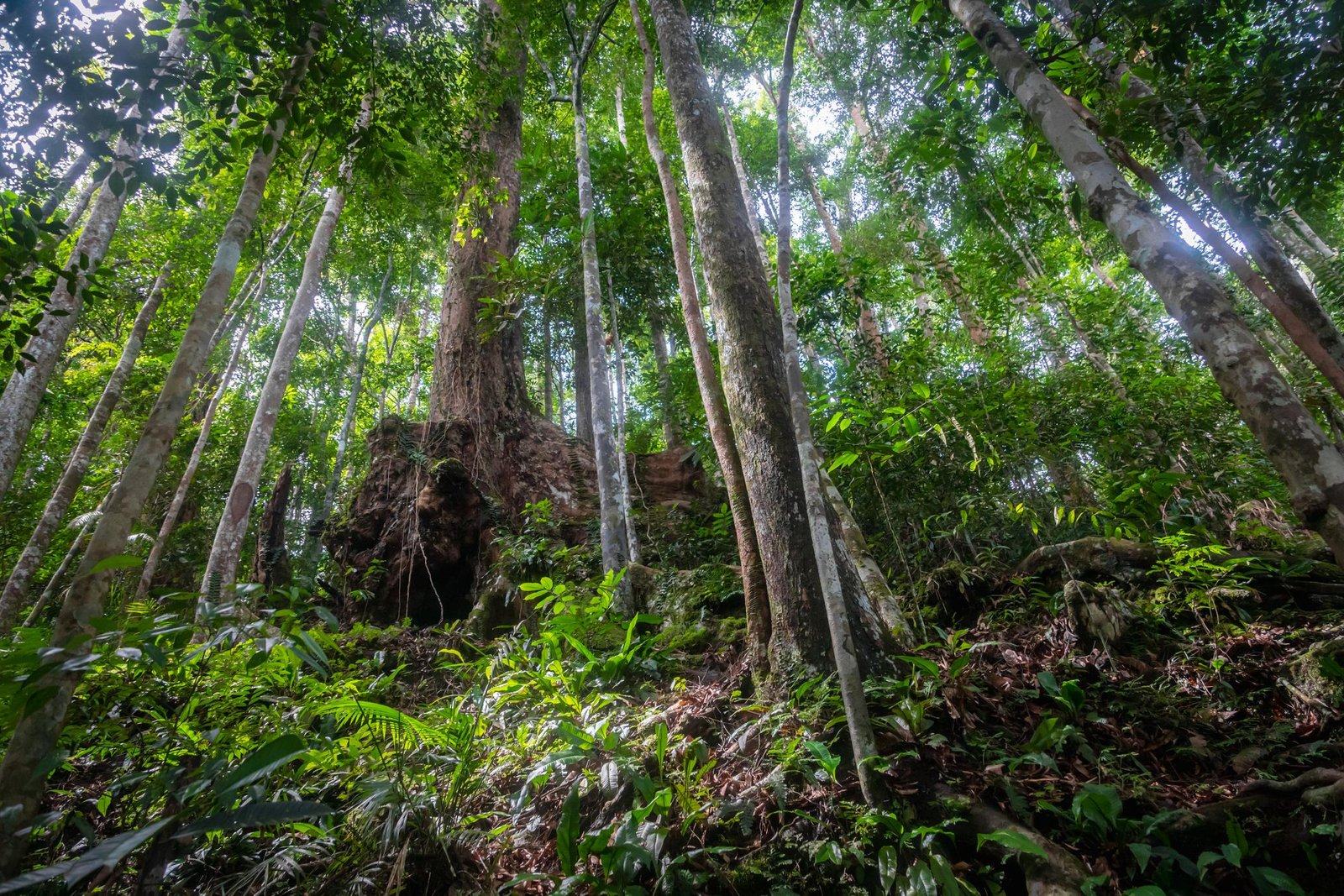
This remarkable rainforest landscape protects a rich variety of plants, animals and ecosystems. Its tropical vegetation includes towering trees, climbing vines, ferns, medicinal plants and dense undergrowth. The forest is also an important habitat for some of Sumatra’s most iconic wildlife.
During a guided jungle trek, visitors may have opportunities to observe:
-
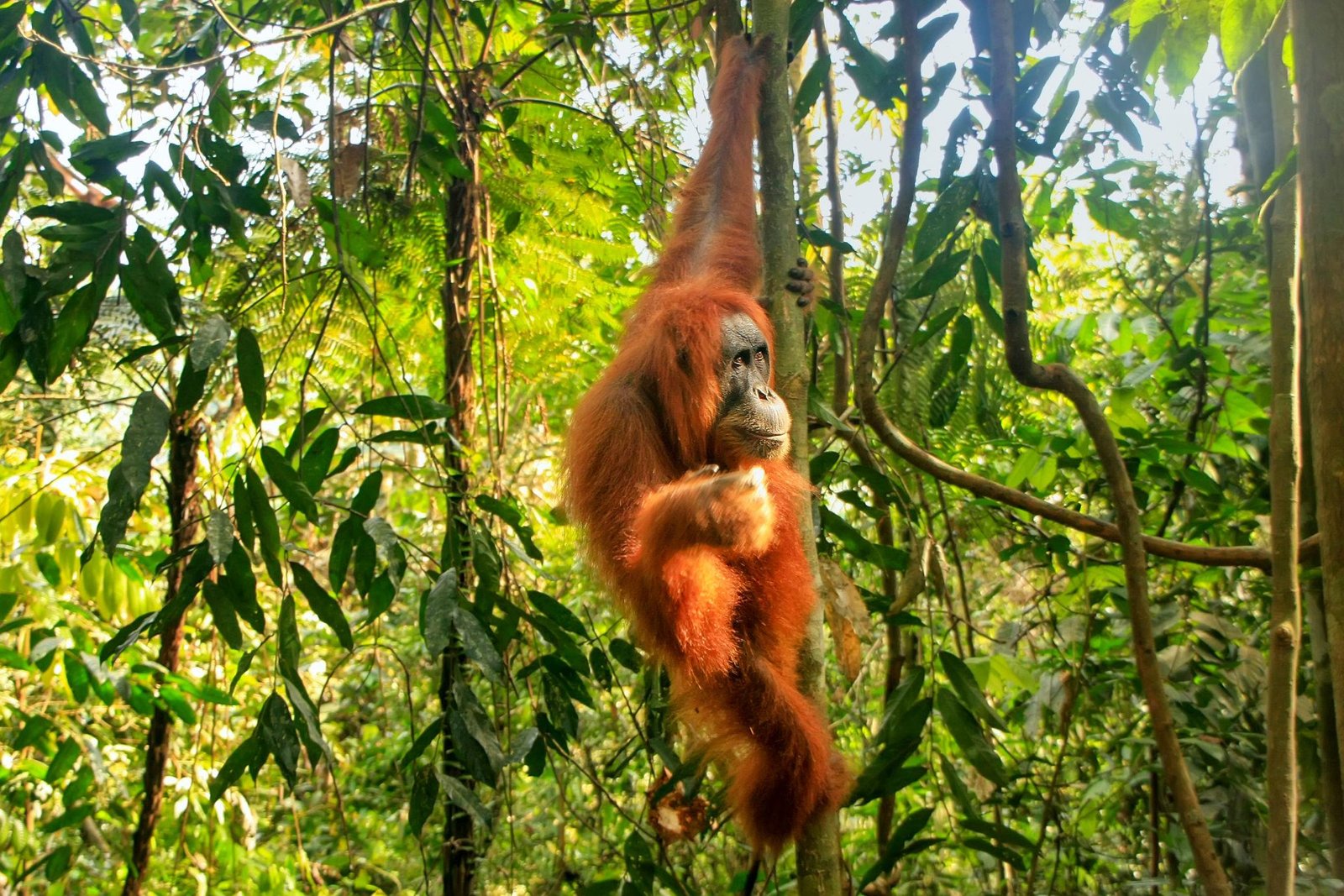
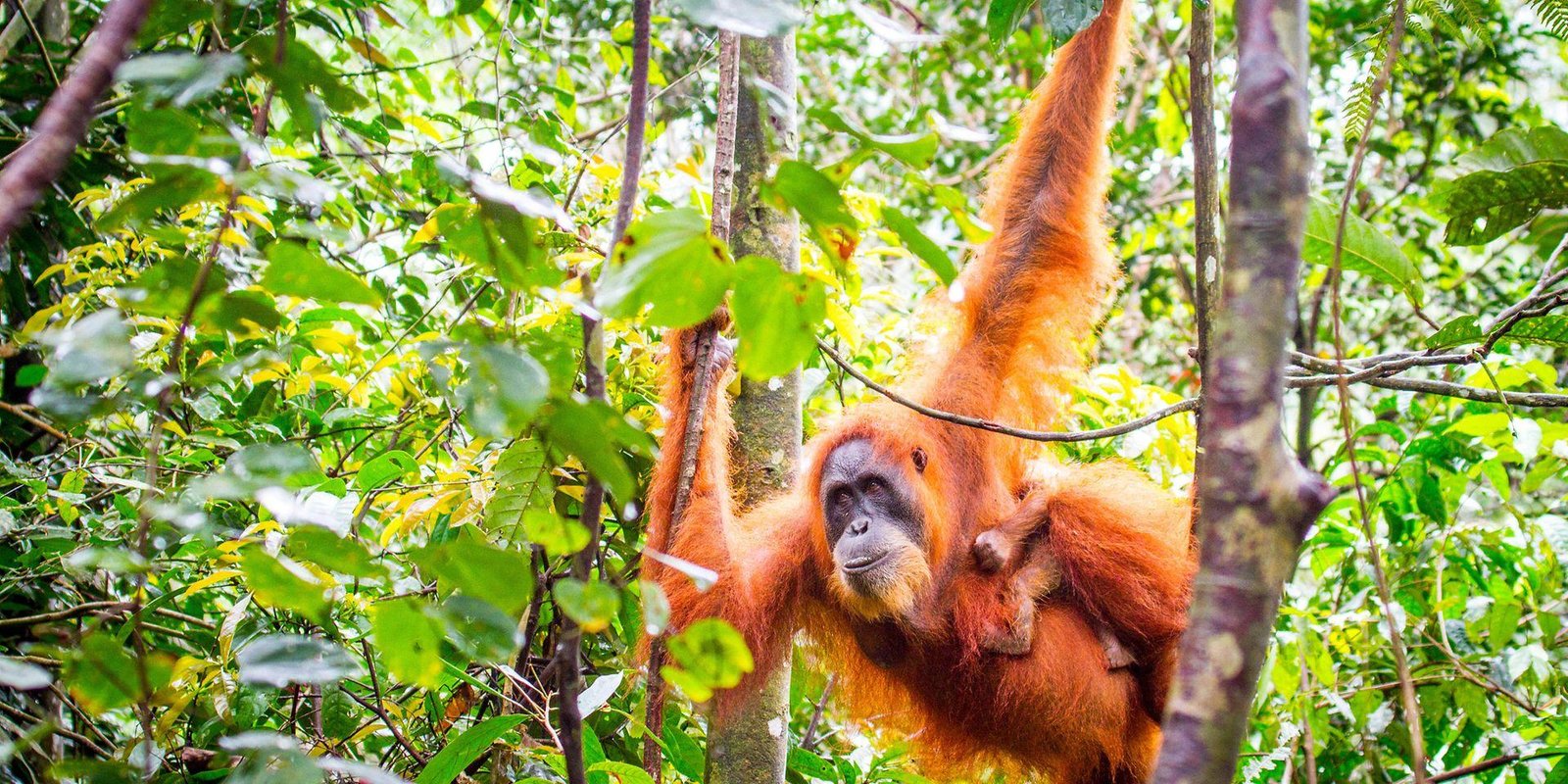
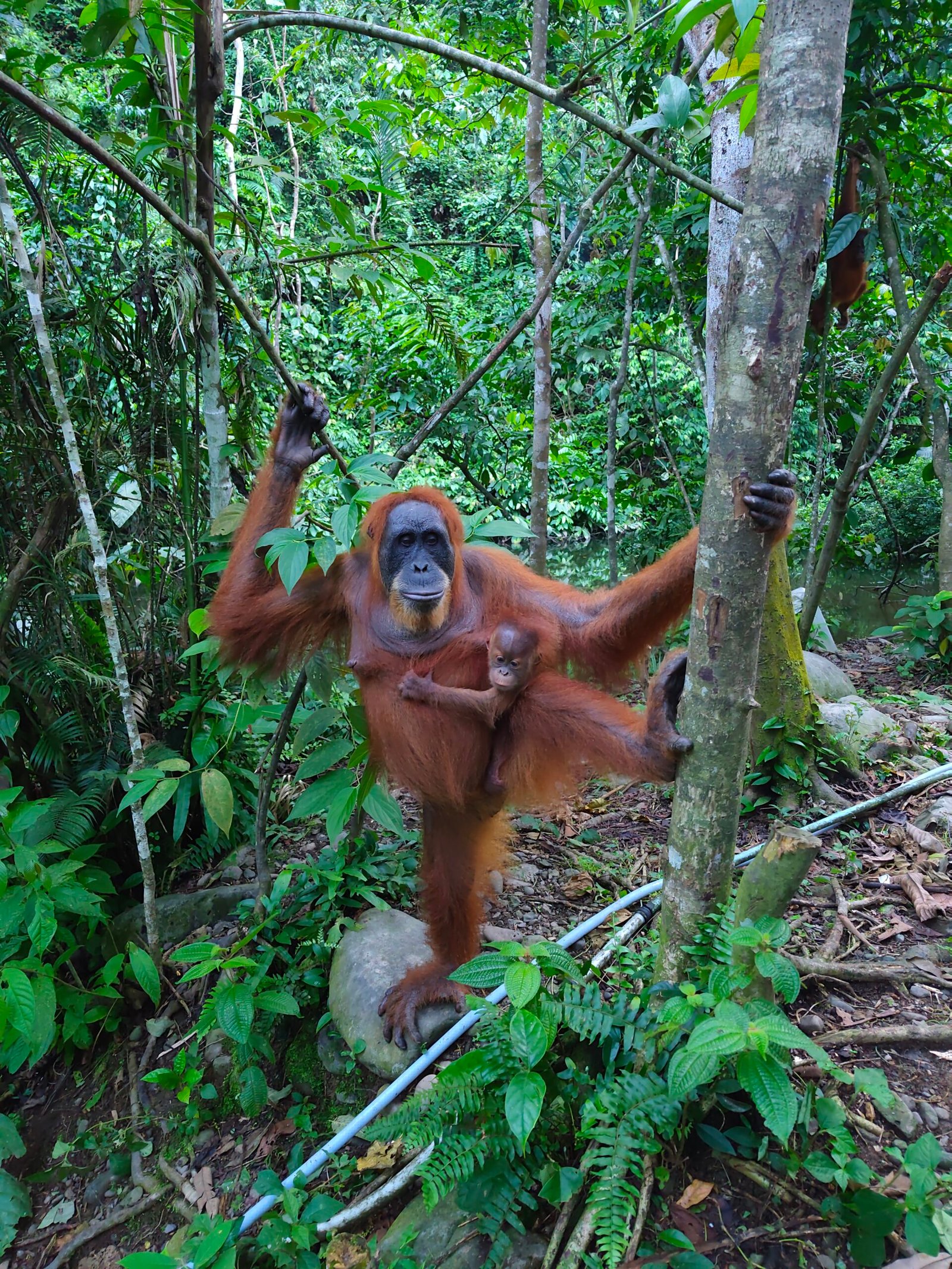
Sumatran orangutans: The famous great apes of the rainforest, known for their intelligence and arboreal lifestyle.
-
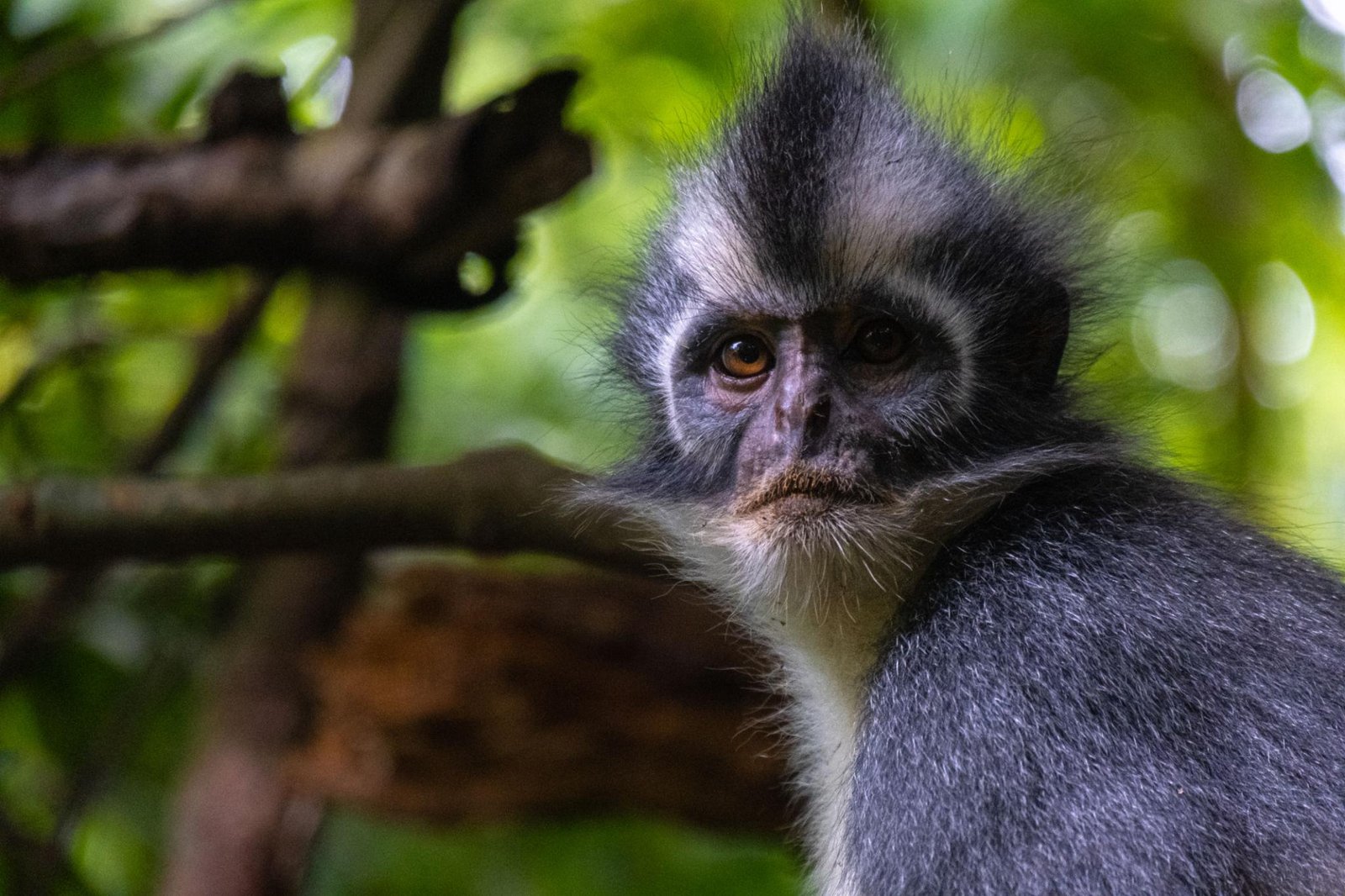
Thomas’s leaf monkeys: Distinctive primates native to northern Sumatra.
-
Long-tailed and pig-tailed macaques: Social monkeys that may be seen foraging in the forest.
-
Gibbons: Agile, vocal apes whose calls can sometimes be heard echoing through the jungle.
-
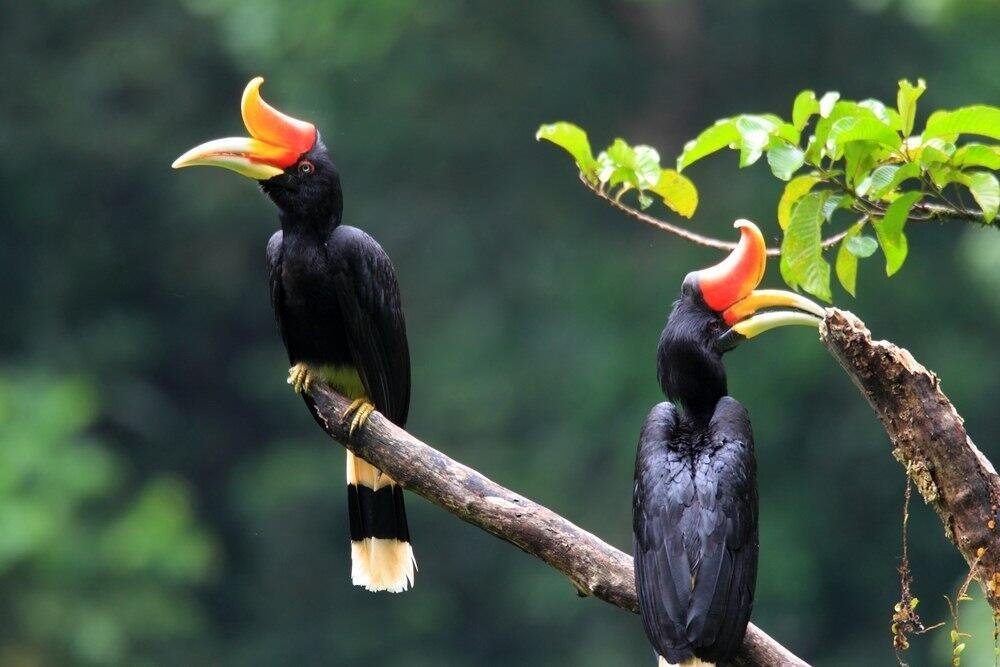
Hornbills and other tropical birds: Colourful and fascinating species that enrich the rainforest experience.
-
Reptiles, insects and other forest wildlife: Smaller creatures that reveal the extraordinary complexity of this ecosystem.
Wildlife sightings are never guaranteed. Animals move freely through their natural habitat, and sightings depend on weather, season, animal movements and other natural conditions.
Exploring this forest with qualified local guides helps visitors better understand its ecology, wildlife and the importance of protecting Sumatra’s remaining rainforest.

3. Sumatran Orangutan Trekking in Bukit Lawang
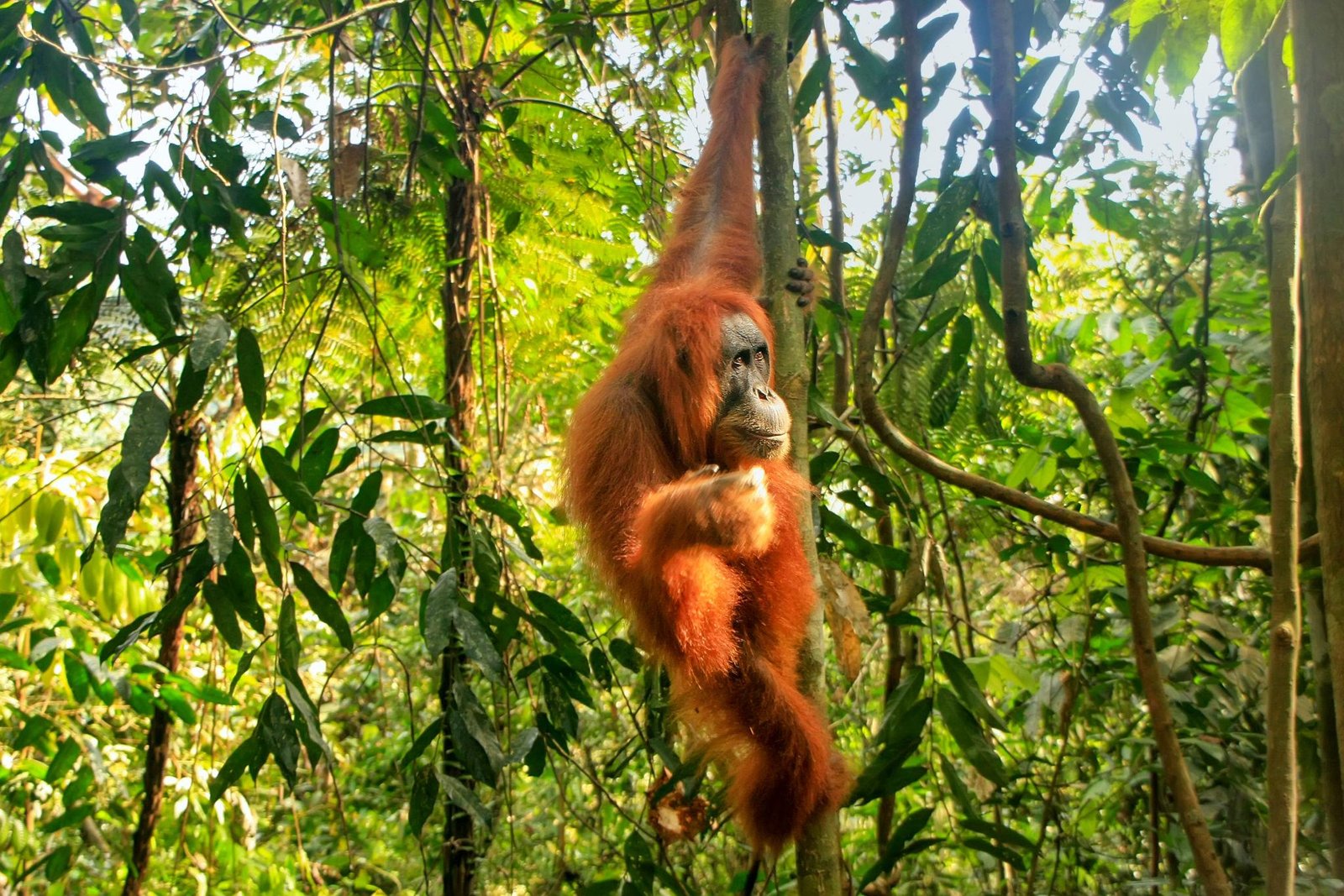
One of the main reasons international travellers visit Bukit Lawang is the opportunity to see Sumatran orangutans in their natural rainforest habitat.
The Sumatran orangutan is an endangered great ape found on the island of Sumatra. These remarkable animals spend much of their lives in trees, where they search for fruit, build nests and move through the forest canopy.
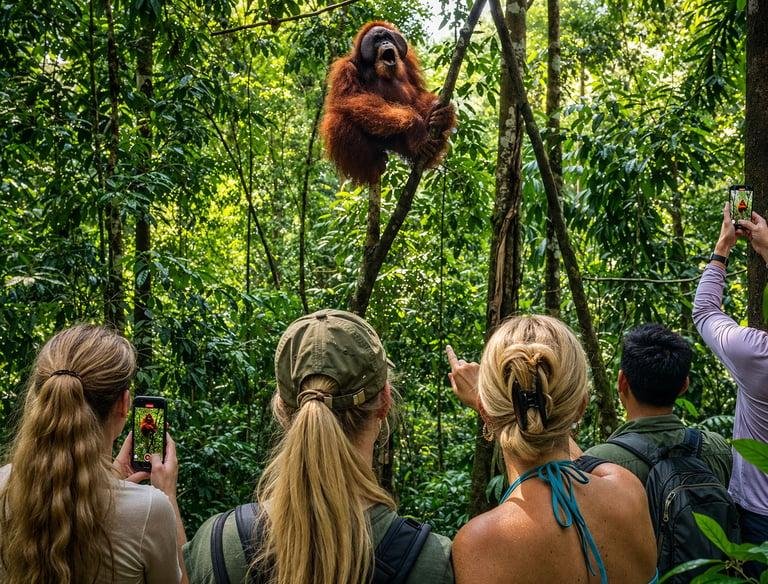
During a guided Bukit Lawang jungle trek, visitors walk along forest trails with experienced local guides who help identify wildlife, explain animal behaviour and introduce the rainforest ecosystem.
Depending on natural conditions, trekkers may encounter orangutans feeding in trees, moving between branches or resting in the forest canopy. Seeing an orangutan in the wild can be an unforgettable experience, particularly for nature lovers, photographers and wildlife enthusiasts.
Responsible orangutan tourism
Wild orangutans should always be observed respectfully. Visitors should maintain an appropriate distance, avoid touching or feeding animals, never block their movements and follow their guide’s instructions.
Responsible wildlife tourism helps promote awareness of orangutan conservation and the importance of protecting rainforest habitats. Choosing ethical trekking practices also helps support local communities whose livelihoods depend on sustainable tourism.
Bukit Lawang Ecotourism+1
Important: Orangutan sightings cannot be guaranteed because these are wild animals living freely in the forest. Every trek is a different experience, and the rainforest is valuable even when wildlife is difficult to find.
4. Jungle Trekking Adventures in Bukit Lawang
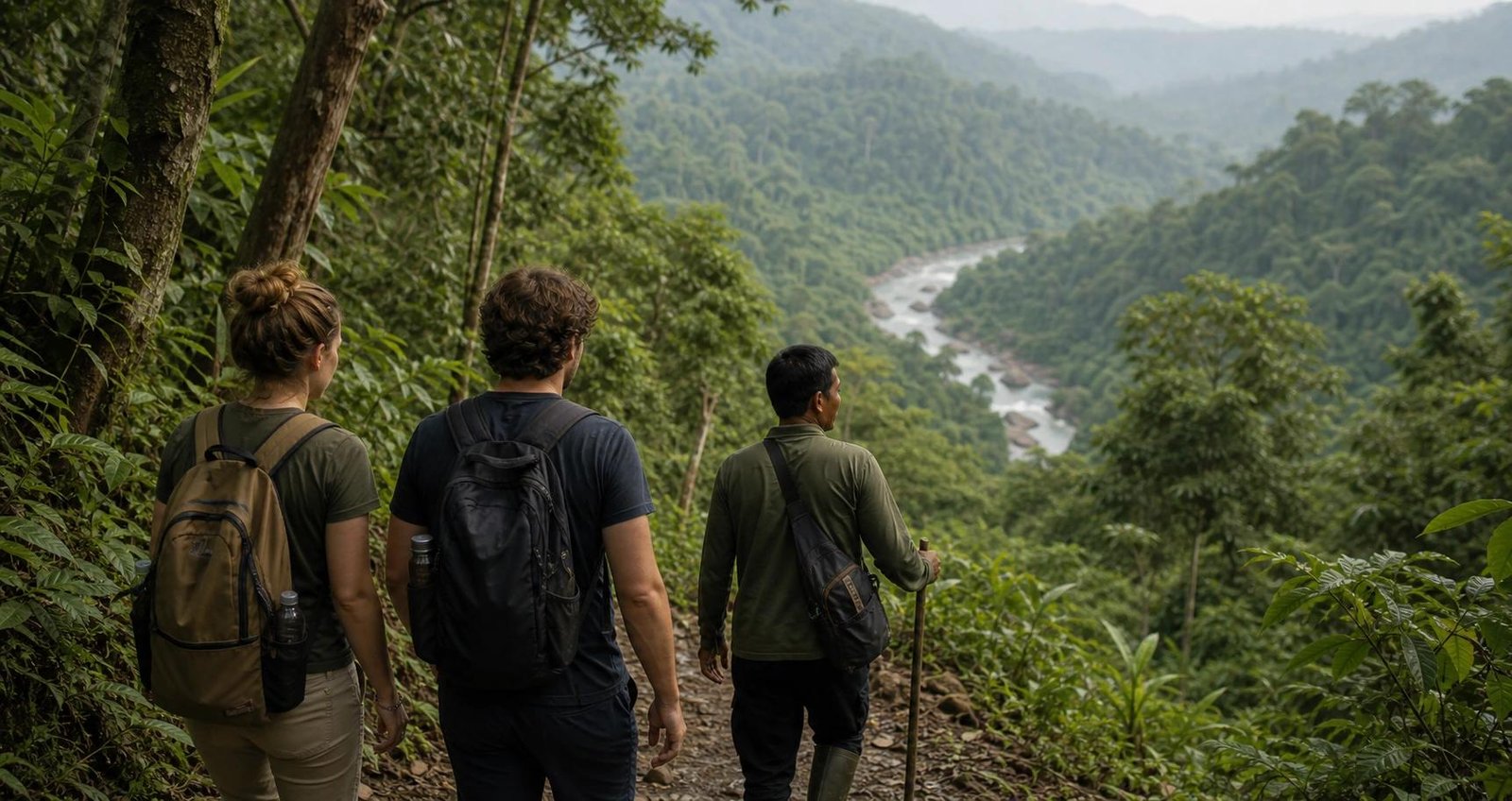
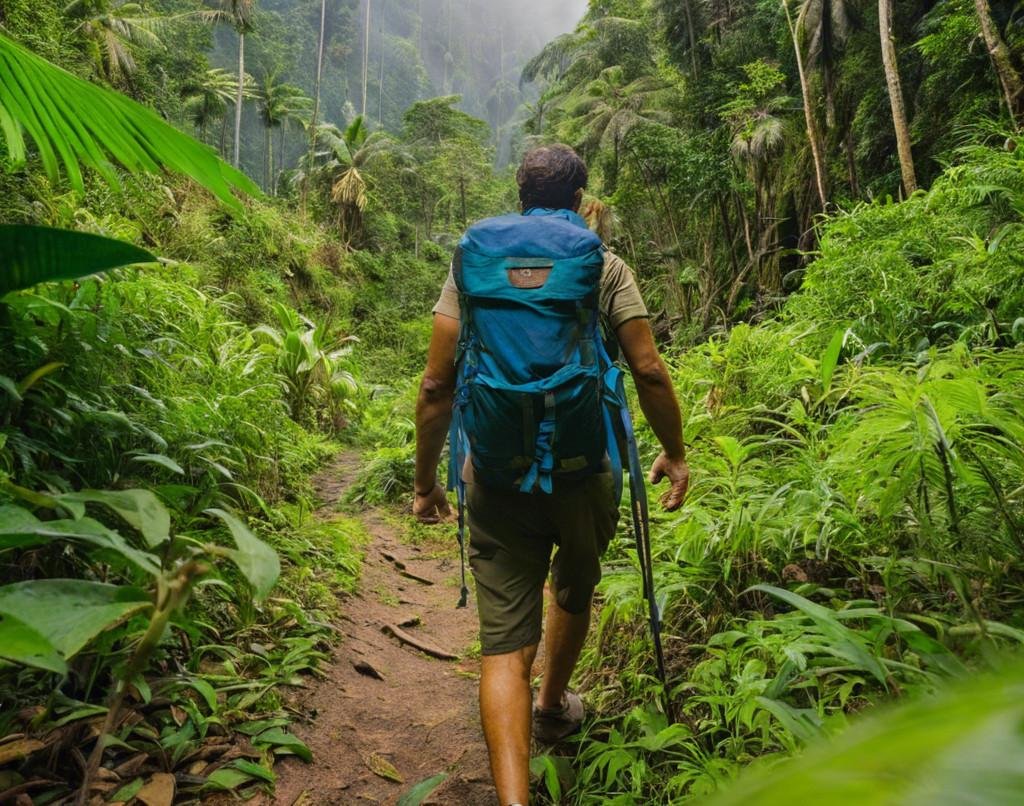
Jungle trekking is one of the best ways to discover the natural beauty of Bukit Lawang. With its tropical vegetation, steep forest trails, flowing streams and diverse wildlife, the rainforest offers an exciting outdoor experience for visitors seeking something beyond ordinary sightseeing.
At Sumatra Tour & Travel, travellers can choose a jungle trekking experience that suits their available time, physical fitness and interest in wildlife.
What can you experience during a jungle trek?
Depending on the selected route and duration, your adventure may include:
-
Searching for signs of wild orangutans and other primates.
-
Learning about rainforest plants, medicinal traditions and tropical ecosystems.
-
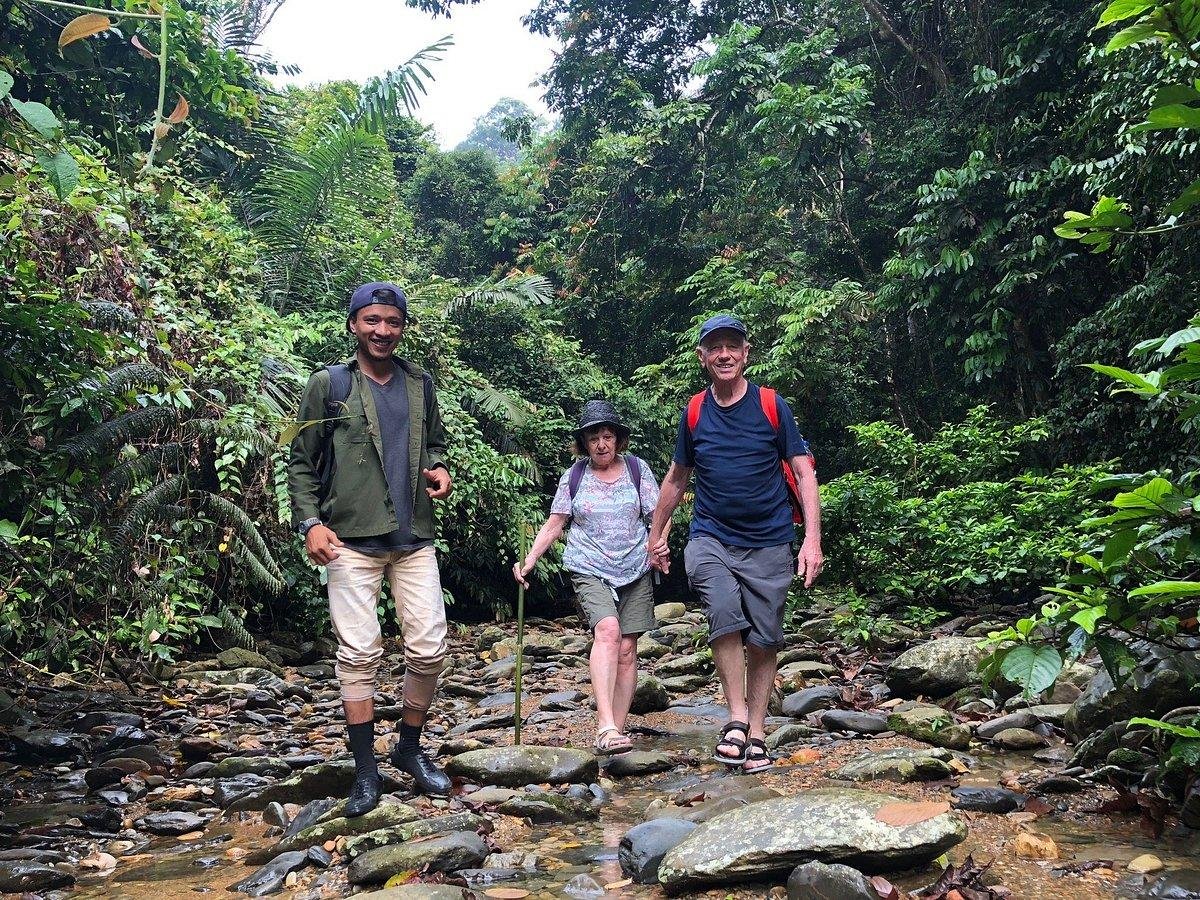
Walking beneath towering trees and through dense vegetation.
-
Exploring forest trails, streams and river valleys.
-
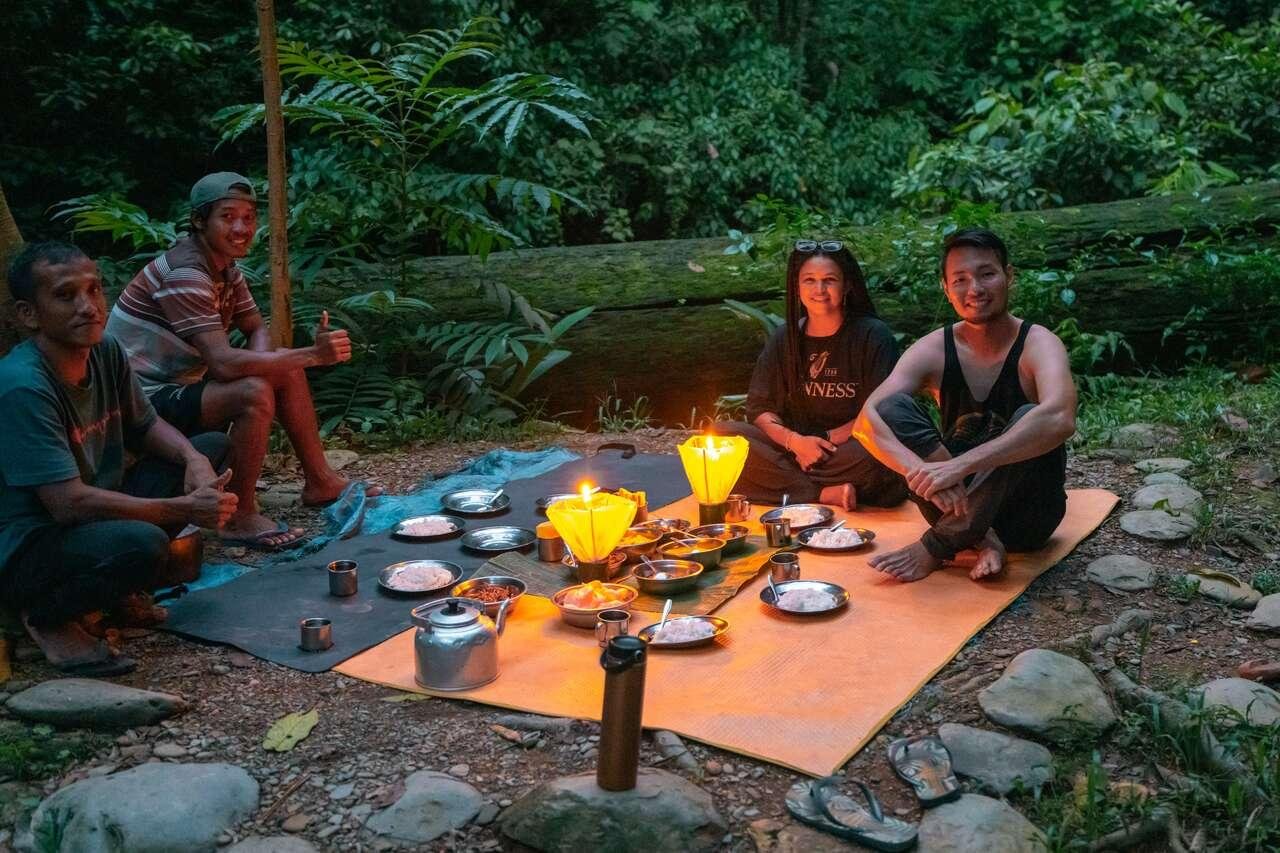
Enjoying freshly prepared Indonesian meals in the jungle.
-
Setting up camp and spending the night in a natural rainforest environment.
-
Listening to the sounds of birds, insects and other nocturnal wildlife.
-
Returning to Bukit Lawang by foot or, where conditions and arrangements permit, by river tubing.
Trekking difficulty: Rainforest trails can be steep, slippery, muddy and humid. Multi-day treks require greater stamina than short walks, so visitors should select a route suitable for their fitness and experience.
5. River Tubing and Rafting on the Bohorok River
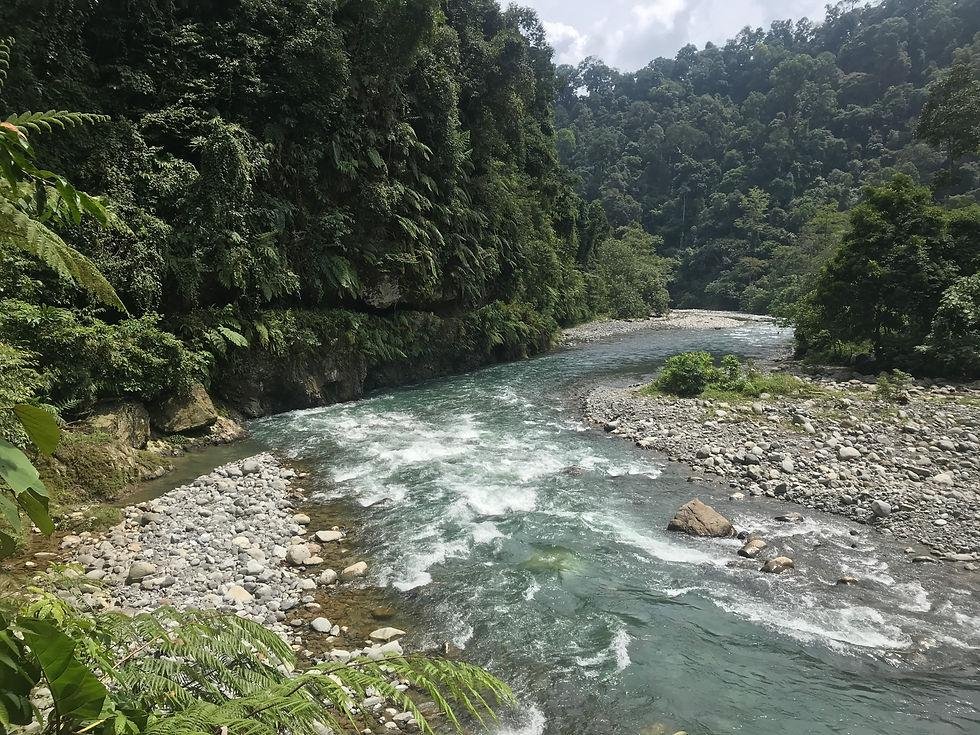
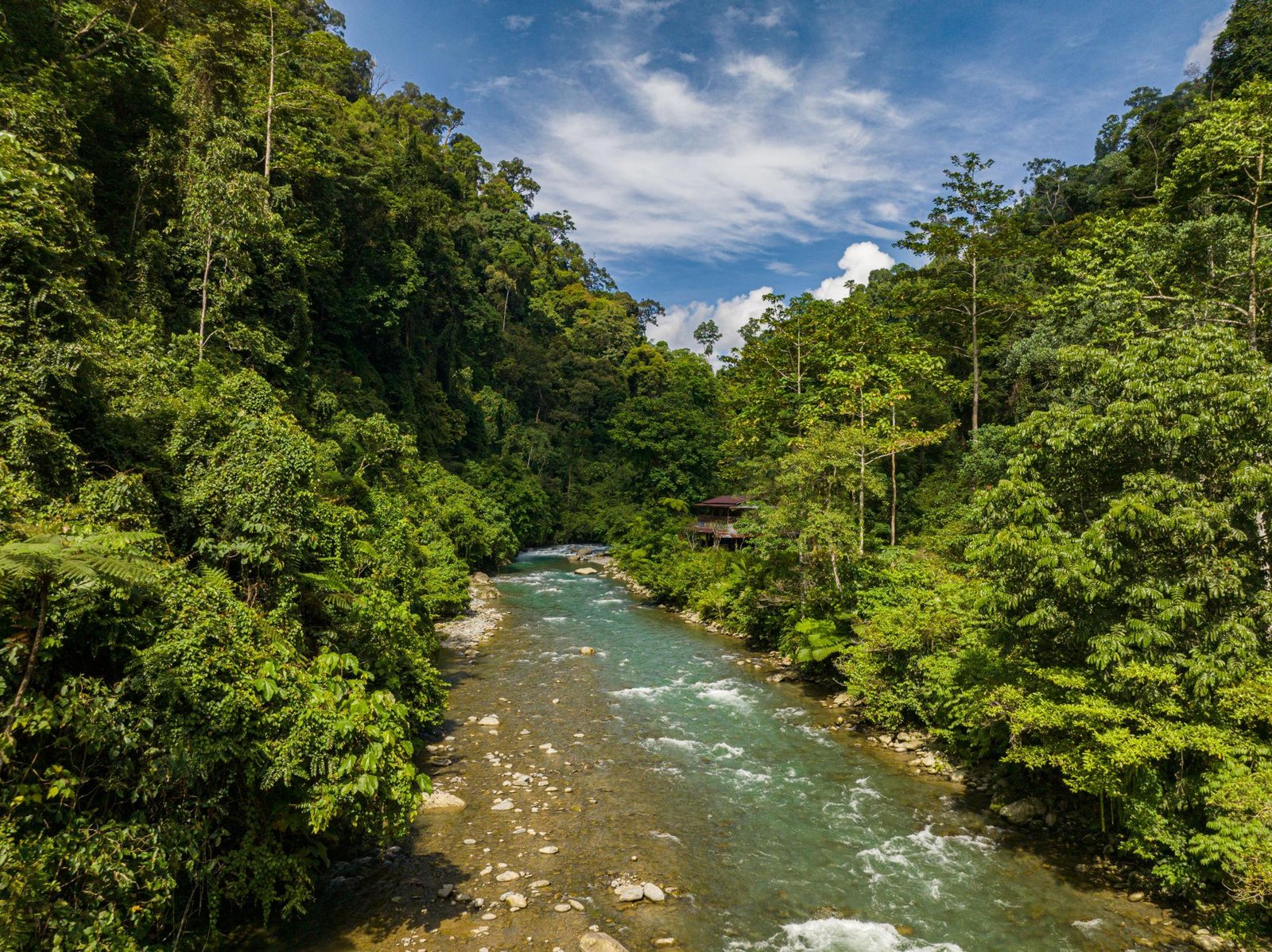
The Bohorok River is another highlight of Bukit Lawang. Flowing alongside the village and through a lush tropical landscape, it provides a beautiful setting for relaxing after a jungle adventure.
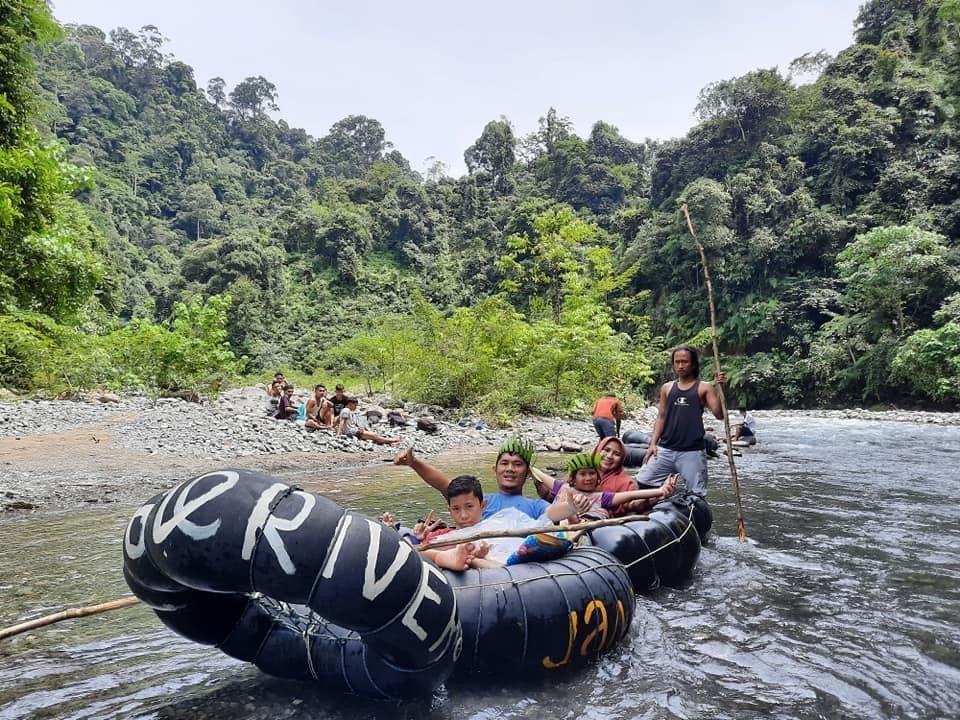
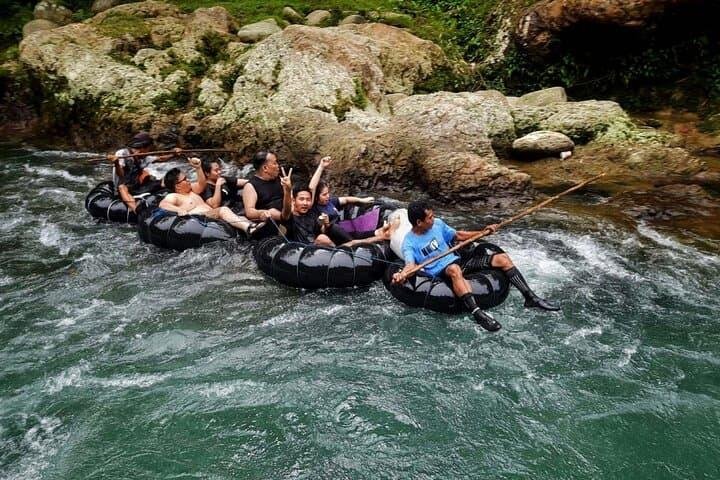
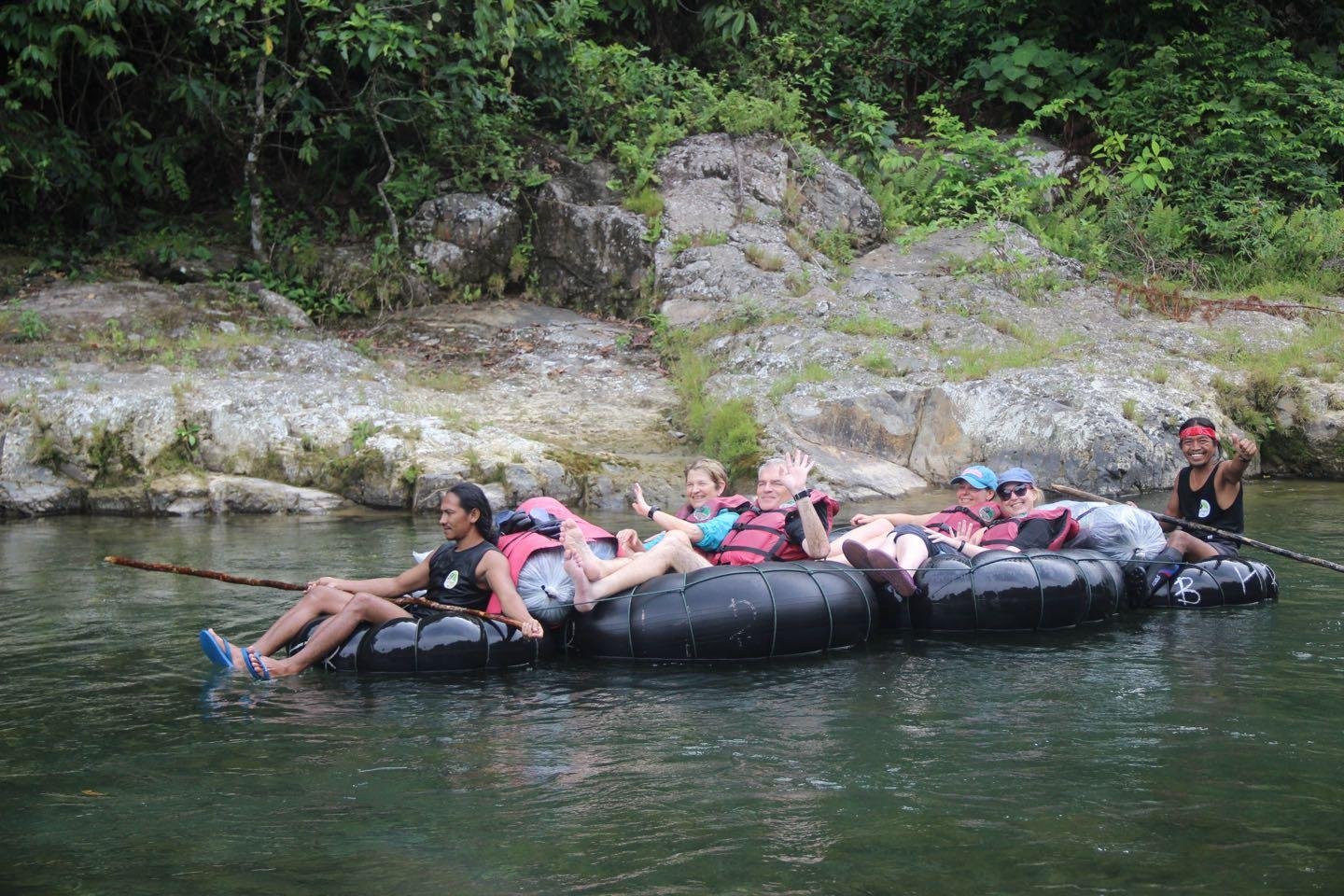
River tubing is a popular activity in which visitors travel downstream on large inflatable tubes or an arranged traditional tubing raft, accompanied by local guides.
For some multi-day jungle treks, a tubing journey can form part of the return trip from the forest to the village. It offers a different perspective on the surrounding landscape, with forested hills, riverbanks and the sound of flowing water.
Visitors can also relax beside the river, take photographs and enjoy the peaceful atmosphere.
River activities depend on water levels, weather and local safety assessments. Tubing should only take place with appropriate equipment, experienced supervision and suitable river conditions. It is important to follow local safety advice, particularly after heavy rainfall.
6. Explore the Village and Experience Local Life
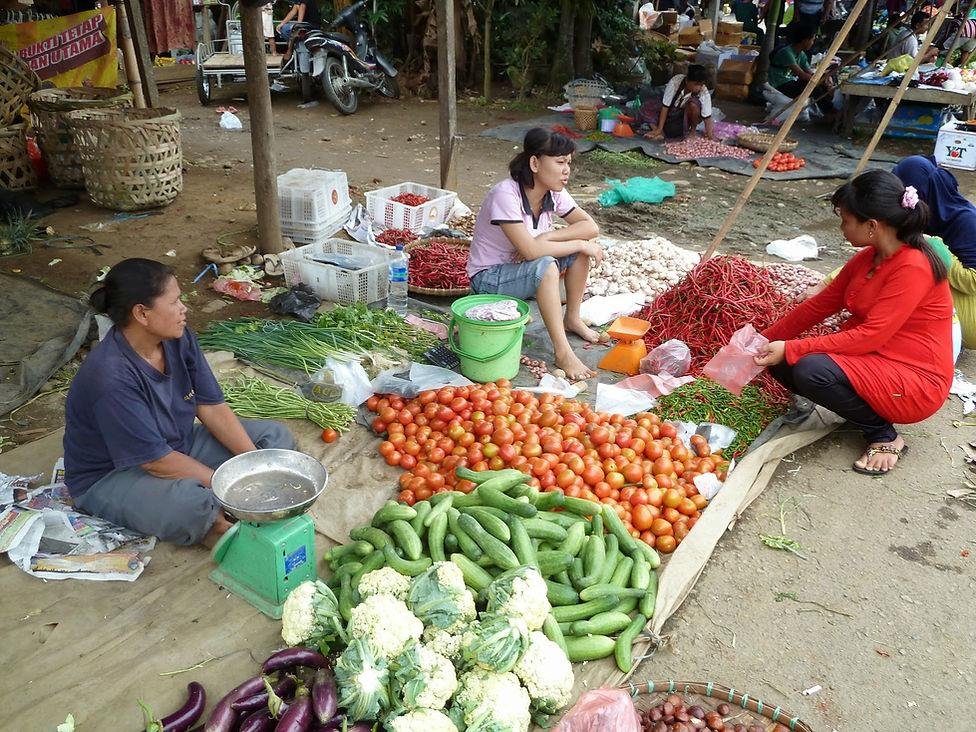
Bukit Lawang is more than a gateway to the rainforest. It is also a welcoming village where travellers can experience everyday life in North Sumatra.
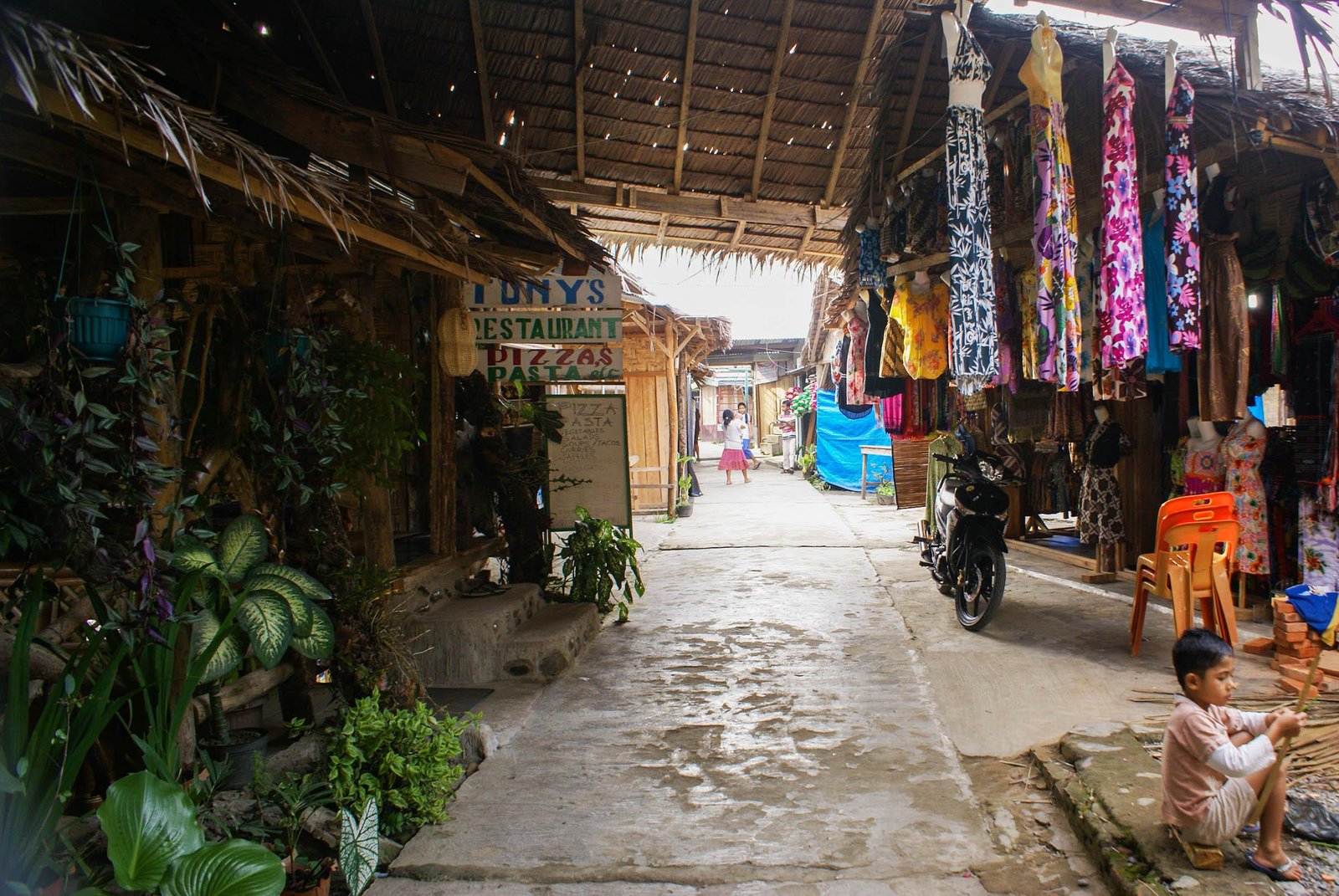
Spend time walking through the village, visiting small shops, meeting local residents and discovering the friendly atmosphere that makes Bukit Lawang a popular stop for independent travellers and organised tour groups.
The village has a relaxed character, with guesthouses, cafés, restaurants and small businesses serving visitors from around the world. Many residents work in tourism, guiding, accommodation, transport and food services.
A village walk provides opportunities to learn about local livelihoods and the relationship between the community and the surrounding forest.
Visitors can also arrange cultural experiences through local hosts, such as learning about regional traditions, visiting nearby farms or discovering how tropical fruits and local ingredients are used in Indonesian cooking.
By choosing locally operated services and purchasing goods from village businesses, travellers can help ensure that tourism benefits the community.
8. Best Time to Visit Bukit Lawang
Bukit Lawang has a tropical climate throughout the year, with warm temperatures, high humidity and rainfall that can occur in any season.
There is no single month when the weather is guaranteed to be perfect. Trekking conditions depend on rainfall, trail conditions, river levels and the weather during your visit.
What is the best month for jungle trekking?
Many visitors prefer periods with less rainfall because trails may be easier to navigate. However, weather patterns can vary from year to year, and heavy rain can occur even during traditionally drier months.
For the best experience, check the local forecast before travelling and ask your guide about trail and river conditions. Multi-day expeditions may need to be adjusted if weather conditions become unsafe.
9. Where to Stay in Bukit Lawang
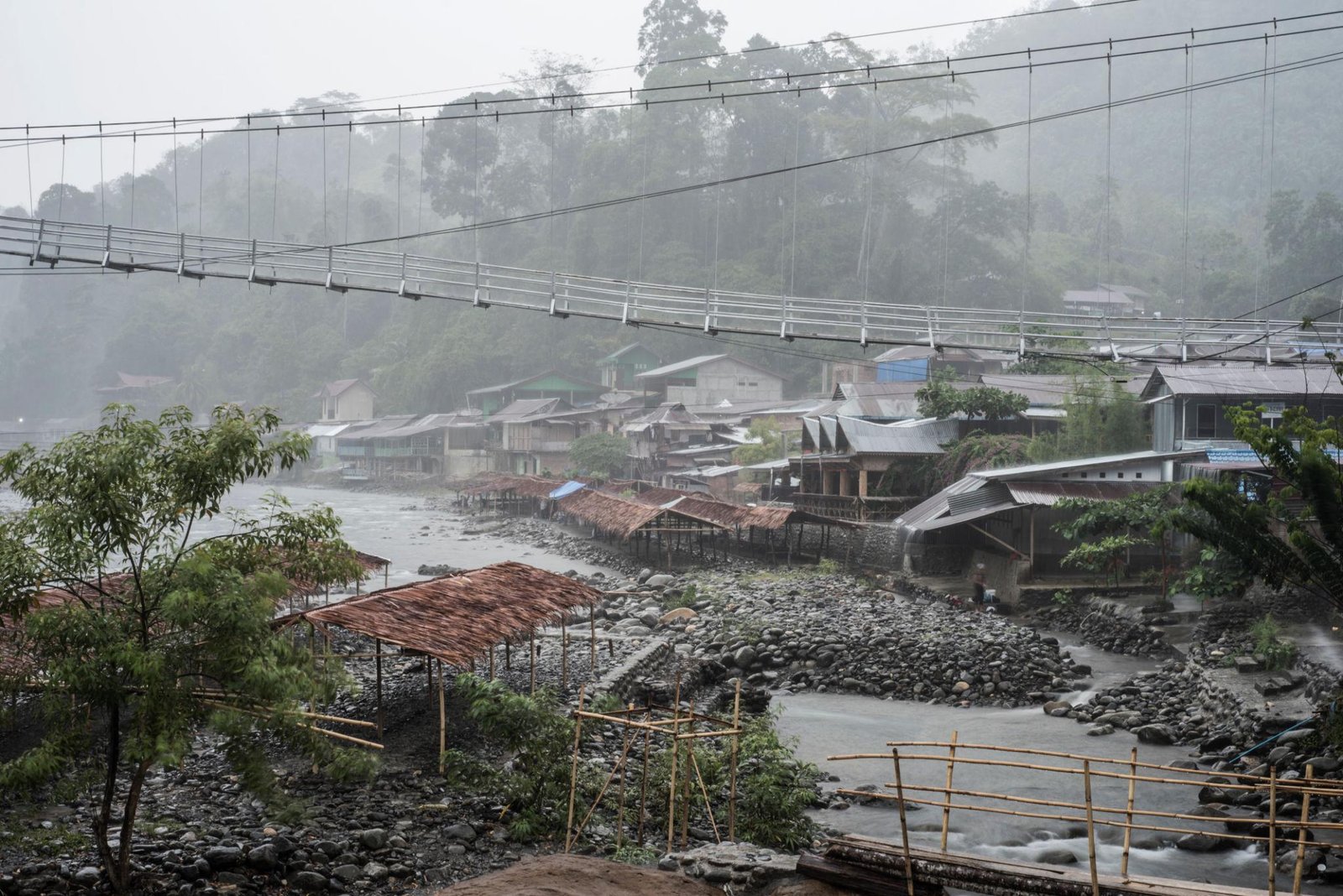
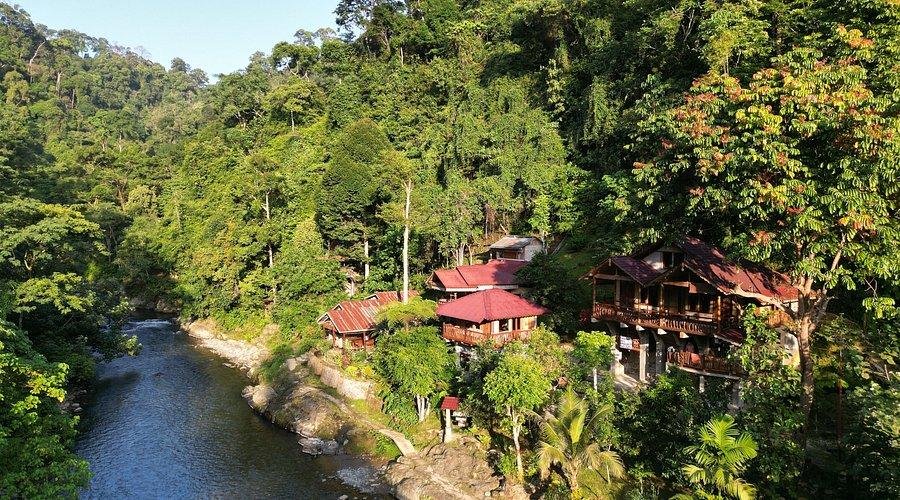
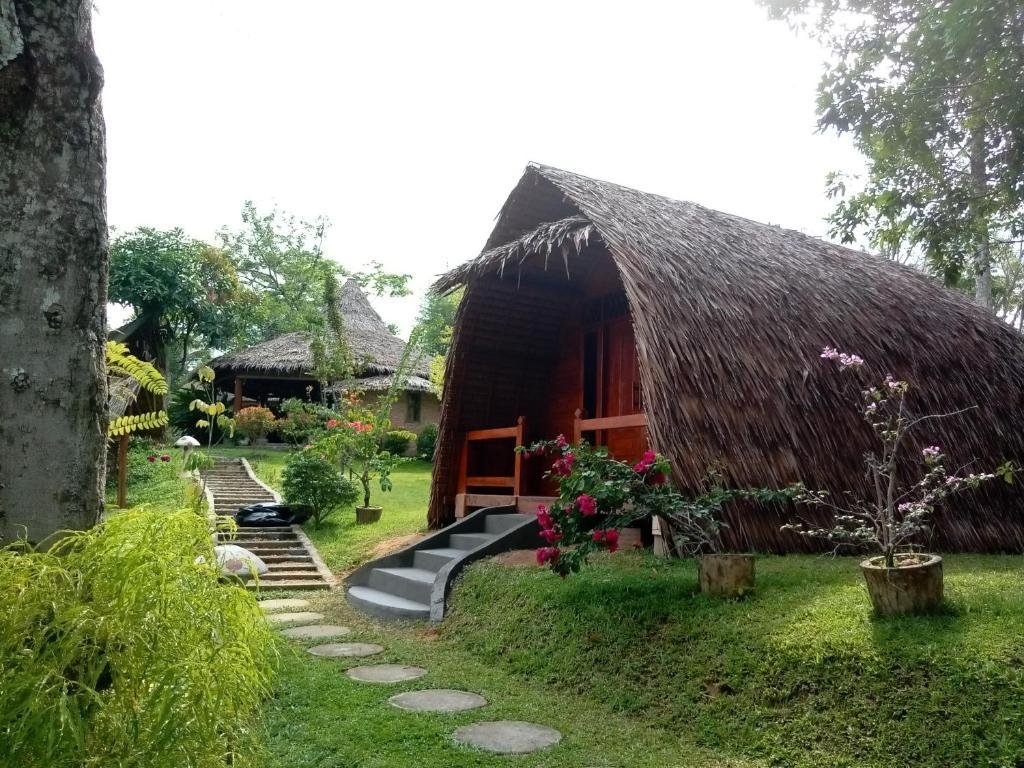
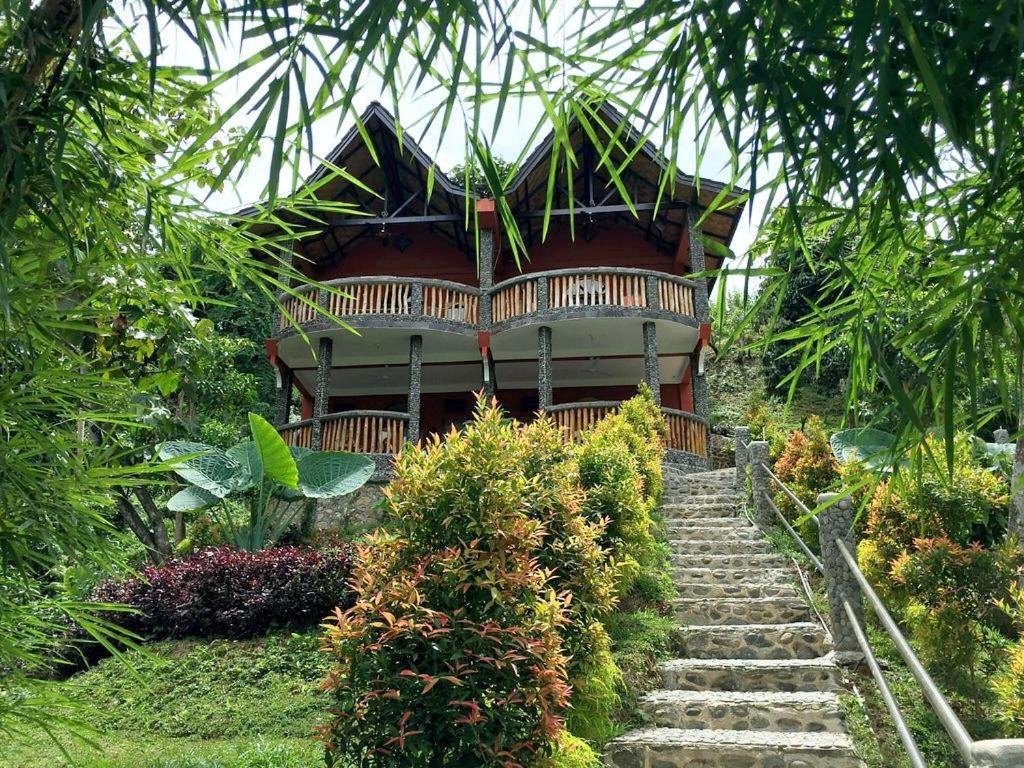
Bukit Lawang offers accommodation options for a range of travel styles and budgets. Many properties are located beside the river or within walking distance of the village’s restaurants, shops and jungle trekking starting points.
Visitors can choose from:
-
Budget guesthouses: Simple, affordable accommodation for backpackers and independent travellers.
-
Riverside bungalows: Relaxing places to stay with views of the river and surrounding greenery.
-
Eco-lodges: Accommodation designed to provide a closer connection with the natural environment.
-
Comfortable private rooms: Suitable for couples, families and travellers who prefer additional privacy.
-
Nature retreats: Options for guests seeking a quieter stay surrounded by tropical vegetation.
For multi-day jungle trekking, many visitors spend a night in Bukit Lawang before the trek and another night after returning from the forest.
Booking accommodation in advance is recommended during busy travel periods. When arranging your stay, consider the property’s location, accessibility, available facilities and environmental practices.
10. Other Activities Near Bukit Lawang
Bukit Lawang can also be combined with other destinations in North Sumatra, allowing travellers to experience different landscapes and cultural attractions.

Tangkahan
Known for its rainforest scenery and river environment, Tangkahan is an option for travellers interested in nature-based activities and conservation-focused tourism. Choose responsible wildlife experiences and verify which activities are currently permitted.

Batu Katak
A quieter nature destination in the wider Bohorok area, offering opportunities to discover forest landscapes, limestone formations and local biodiversity, depending on available routes and conditions.
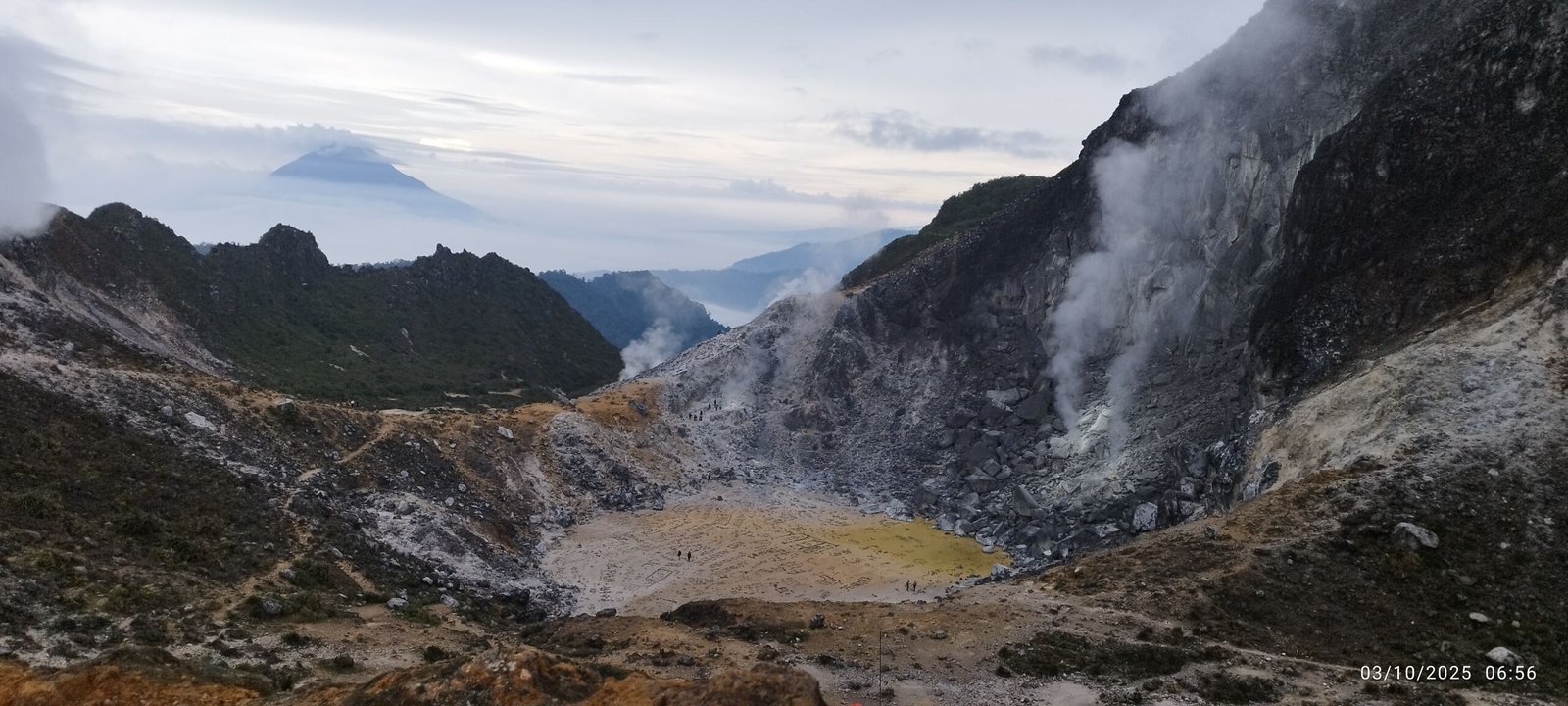
Berastagi
Explore cool highland scenery, local markets, fruit farms and volcanic landscapes. Berastagi is a popular stop on journeys between Medan and the Lake Toba region.
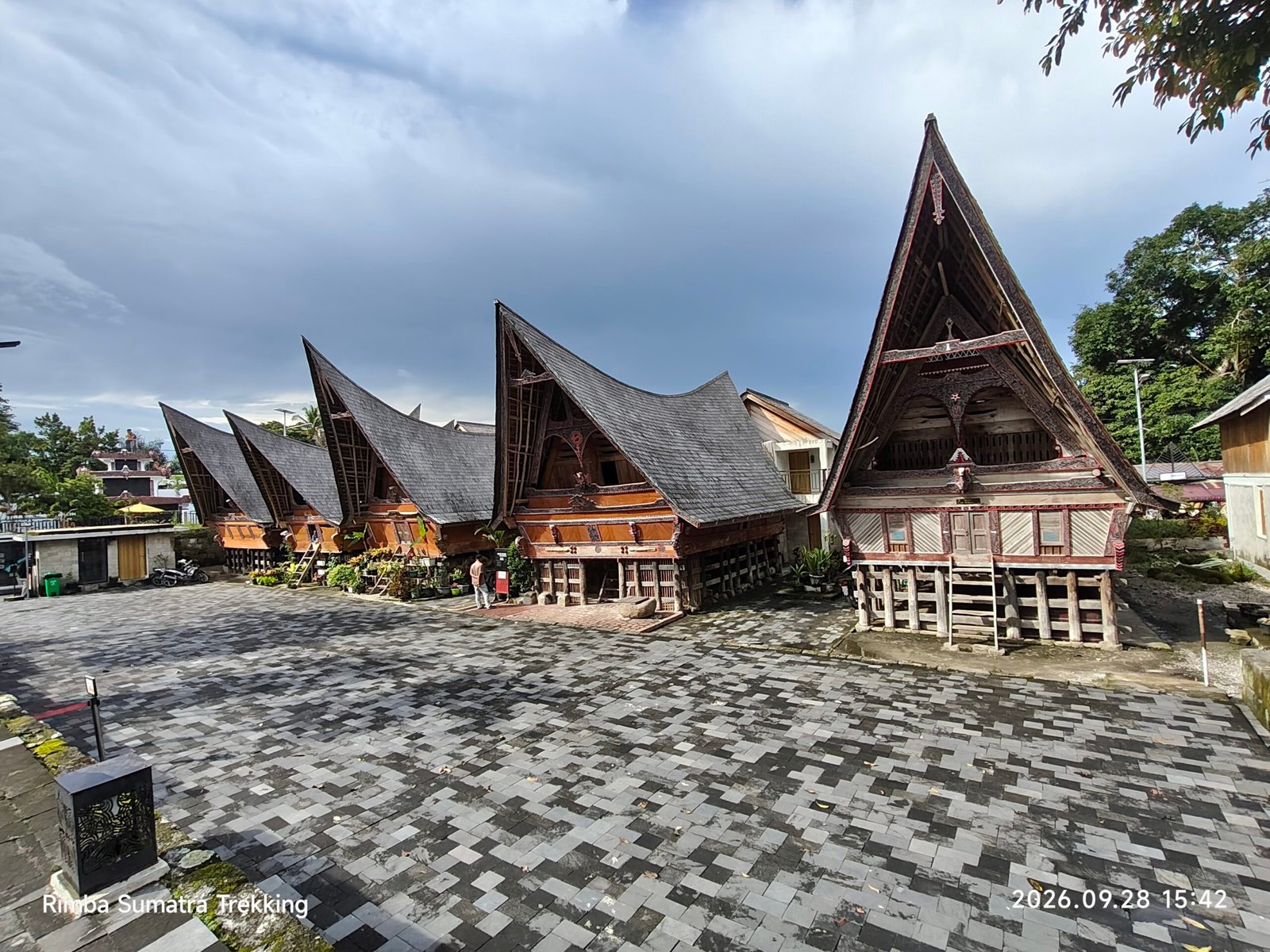
Lake Toba and Samosir Island
Discover the spectacular volcanic lake, Batak cultural traditions, traditional architecture and peaceful lakeside villages. This is an excellent destination to visit after an adventurous jungle trek.
These destinations can be incorporated into a customized Sumatra itinerary with Sumatra Tour & Travel, depending on your available time, interests and transport arrangements.
11. How to Get to Bukit Lawang from Medan
The most common route to Bukit Lawang begins in Medan, the main transport hub of North Sumatra.

By private car
A private transfer is a convenient option for travellers who prefer a direct journey from Kualanamu International Airport, a hotel in Medan or another agreed pickup point.
The journey typically takes around 3–4 hours, depending on traffic, road conditions and the pickup location. A private transfer can also be arranged as part of a wider Sumatra tour.
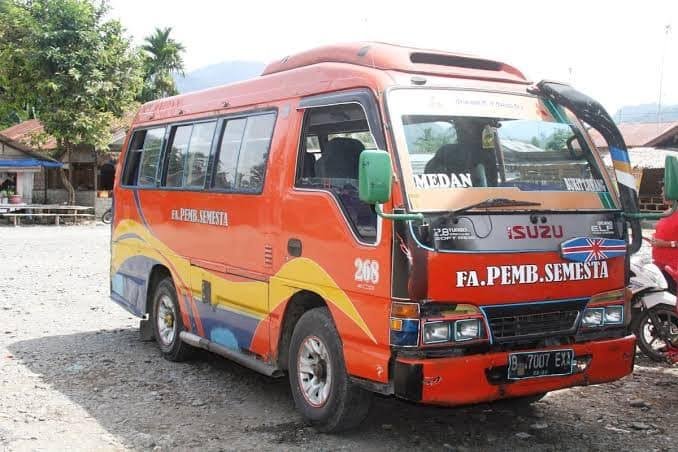
By public transport
Budget-conscious travellers can travel from Medan towards Bukit Lawang using public buses or other local transport connections. Routes, departure points and journey times can vary, so confirm the latest arrangements locally.

By organised tour
An organised tour can combine transport, accommodation, jungle trekking and other activities into one itinerary. This is a practical option for international visitors who want assistance coordinating their travel.
Travel tip: If you arrive at Medan airport late in the day, consider spending the night in Medan before continuing to Bukit Lawang. This allows more flexibility in case of flight delays or slow road conditions.
12. What to Pack for a Bukit Lawang Jungle Trek
Preparing properly can make your rainforest adventure safer and more comfortable.
Recommended items include:
-
Lightweight, quick-drying trekking clothes.
-
Comfortable hiking shoes or trail shoes with good grip.
-
A waterproof jacket or poncho.
-
A small backpack for personal belongings.
-
Insect repellent.
-
Sunscreen and a hat.
-
Reusable water bottles.
-
Personal medication and basic toiletries.
-
A headlamp or flashlight for overnight treks.
-
A dry bag or waterproof protection for electronics.
-
Swimwear and a towel if river activities are planned.
-
Extra dry clothing for after trekking or tubing.
For multi-day treks, confirm with your tour operator which camping equipment, meals and other supplies are provided. Avoid carrying unnecessary items, as a lighter backpack makes walking on steep and muddy trails more comfortable.
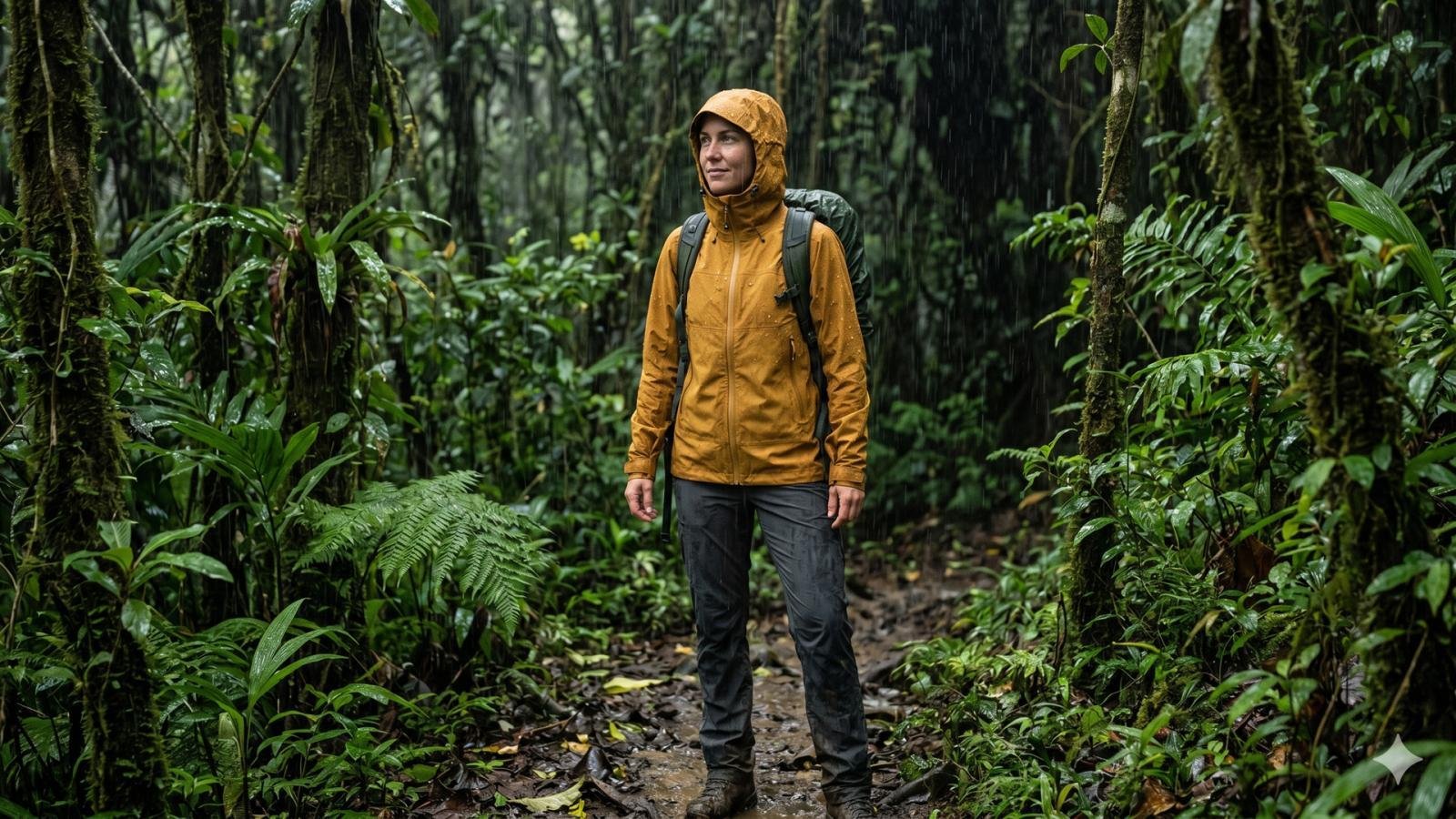
13. Safety and Responsible Jungle Trekking
Bukit Lawang offers exciting outdoor experiences, but tropical rainforest trekking requires preparation and respect for nature.
For a safer and more responsible visit, follow these recommendations:
-
Choose a qualified local guide. Confirm that your guide is appropriately qualified and authorised for the planned route and activities.
-
Follow your guide’s instructions. Stay with the group and avoid wandering away from established routes.
-
Maintain a safe distance from wildlife. Never touch, feed or attempt to approach orangutans or other wild animals.
-
Respect the rainforest. Do not leave rubbish, remove wildlife or damage plants.
-
Prepare for tropical weather. Rain can make trails slippery and rivers dangerous.
-
Drink sufficient safe water. Carry suitable drinking water and follow your guide’s advice about hydration.
-
Choose a suitable trekking duration. Consider your physical fitness, age, experience and any mobility limitations.
-
Follow river safety advice. Activities should be postponed or cancelled when local conditions are unsafe.
-
Protect your belongings. Use waterproof bags for phones, cameras and other valuables.
-
Follow park regulations. Respect protected wildlife, local rules and restrictions on activities.
Responsible travel also means understanding that wild animals are not attractions that can be guaranteed on demand. Ethical wildlife observation puts animal welfare and habitat protection first.
15. Frequently Asked Questions About Bukit Lawang
Is Bukit Lawang worth visiting?
Yes. Bukit Lawang is an excellent destination for travellers interested in rainforest trekking, orangutans, tropical biodiversity, river activities and local culture. It offers a different experience from Indonesia’s more developed beach and city destinations.
Can I see orangutans in Bukit Lawang?
Orangutans live in the surrounding rainforest, and visitors may encounter them during guided treks. However, sightings are not guaranteed, and responsible wildlife observation is essential.
Is jungle trekking difficult?
Difficulty depends on the route, duration, weather and your fitness. Even short treks may involve steep, muddy and slippery ground. Multi-day treks generally require greater endurance.
Can beginners join a jungle trek?
Yes. Beginners can discuss shorter or less demanding routes with their tour operator. It is important to explain your fitness level and any concerns before booking.
Can children visit Bukit Lawang?
Families can visit Bukit Lawang, but the suitability of jungle trekking depends on the child’s age, fitness and the selected route. Discuss family requirements with your guide before booking.
What is the best time to see orangutans?
There is no guaranteed season or time of day for sightings. Orangutans move freely through the forest, and encounters depend on their natural behaviour and environmental conditions.
Do I need a guide for jungle trekking?
Visitors should arrange trekking through a qualified local guide or reputable operator and follow the applicable park regulations. A knowledgeable guide also helps interpret wildlife signs and explain the rainforest environment.
Can I go river tubing after trekking?
River tubing may be available as part of selected trekking packages. It depends on river conditions, weather, safety assessments and the arrangements confirmed with your operator.
How far is Bukit Lawang from Medan?
Bukit Lawang is approximately 85–135 kilometres from Medan by road or the Airport, with a typical journey of around 3–4 hours depending on traffic, route and pickup location.
Can I combine Bukit Lawang with Lake Toba?
Yes. Bukit Lawang can be combined with Berastagi, Lake Toba and Samosir Island as part of a longer North Sumatra itinerary. Allow sufficient time for the road journeys between destinations.
14. Why Visit Bukit Lawang with Sumatra Tour & Travel?
At Sumatra Tour & Travel, we believe that exploring Bukit Lawang should be more than simply walking through the forest. It should be an opportunity to understand the rainforest, discover local culture and create lasting memories through meaningful travel experiences.
Our tours can be tailored to different interests, schedules and levels of adventure.
What you can expect:
-
Guided jungle trekking experiences in the Bukit Lawang area.
-
Short walks, full-day adventures and multi-day jungle expeditions.
-
Opportunities to observe wildlife in its natural habitat.
-
Overnight camping experiences on selected multi-day treks.
-
Indonesian meals during jungle expeditions, according to the selected package.
-
River tubing where included and conditions permit.
-
Assistance with transport and accommodation arrangements.
-
Opportunities to discover local village life and North Sumatran culture.
-
Personalised itineraries combining Bukit Lawang with other destinations in Sumatra.
Our goal is to help you enjoy a memorable rainforest adventure while respecting wildlife, local communities and the natural environment.
Whether you are travelling alone, as a couple, with friends or as part of a family group, we can help you select an appropriate itinerary and discuss the practical arrangements before your trip.
Discover Bukit Lawang with Sumatra Tour & Travel
Bukit Lawang invites you to discover a side of Indonesia where rainforest adventures, incredible wildlife and welcoming local communities come together.
Walk beneath towering tropical trees, listen to the calls of wild primates, explore the river valleys and experience the peaceful atmosphere of a village surrounded by nature. Whether you choose a short jungle walk or a multi-day expedition with nights spent camping in the forest, Bukit Lawang offers a memorable opportunity to connect with the natural world.
Let Sumatra Tour & Travel help you plan your adventure with a suitable trekking package, local guidance and travel arrangements tailored to your journey.
Ready to explore the rainforest of Sumatra?
Contact Sumatra Tour & Travel to discuss your preferred dates, trekking duration, group size and travel plans.
-
Website: sumatratourandtravel.com
-
Email: sumatratourandtravel@gmail.com
-
Phone / WhatsApp: +62 812 4626 4321
Explore the jungle. Discover the wildlife. Experience the real Sumatra.