
Gunung Leuser National Park
Discover the extraordinary beauty of Gunung Leuser National Park, one of Indonesia’s most important protected rainforest landscapes and a remarkable destination for wildlife lovers, nature photographers, adventure travellers and ecotourism enthusiasts.
Located across North Sumatra and Aceh, this vast protected area is famous for its extraordinary biodiversity, dense tropical forests, dramatic mountain landscapes and rare wildlife. It is one of the most important habitats for the endangered Sumatran orangutan and provides a home for many other remarkable species, including the Sumatran tiger, Sumatran elephant and Sumatran rhinoceros.
UNESCO World Heritage Centre+1
For visitors travelling to Bukit Lawang, Gunung Leuser National Park offers an unforgettable opportunity to discover the tropical rainforest on guided jungle treks, learn about wildlife and conservation, explore river valleys and experience the traditions of local communities.
At Sumatra Tour & Travel, we invite you to experience the natural wonders of North Sumatra through guided jungle trekking, wildlife observation, overnight rainforest camping and personalised tours that can be combined with other destinations across the island.
Whether you have a few hours or several days to explore, Gunung Leuser offers a chance to connect with nature and discover a different side of Indonesia.
1. About Gunung Leuser National Park
Gunung Leuser National Park, known in Indonesian as Taman Nasional Gunung Leuser, is a major conservation area in northern Sumatra. It protects a remarkable range of tropical ecosystems, from lowland rainforest and river valleys to montane forest and high-altitude landscapes.
The park forms part of the wider Leuser landscape, which is internationally recognised for its ecological importance and outstanding wildlife diversity. It is included in the UNESCO World Heritage-listed Tropical Rainforest Heritage of Sumatra, alongside Kerinci Seblat National Park and Bukit Barisan Selatan National Park
The park’s natural environment includes:
-
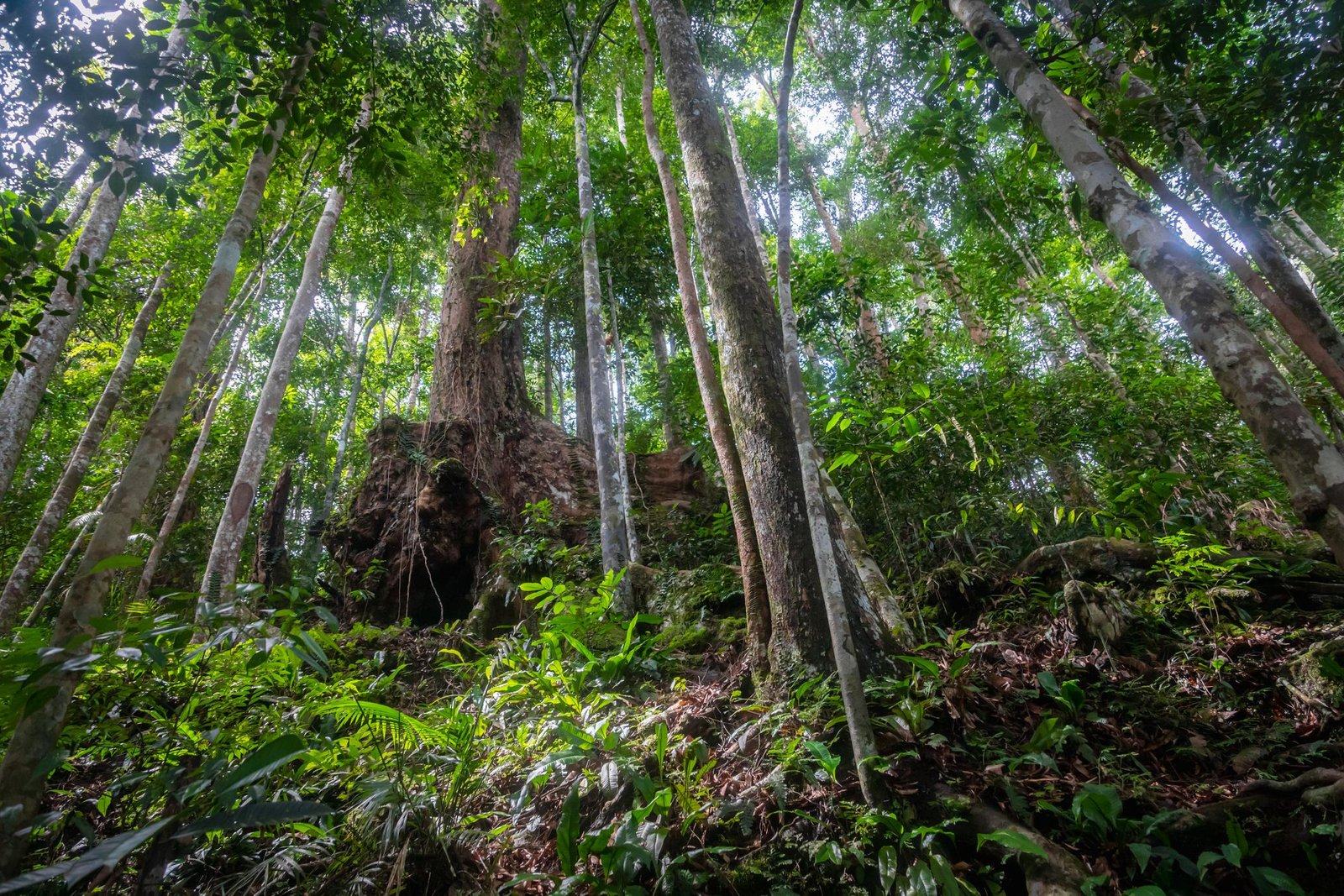
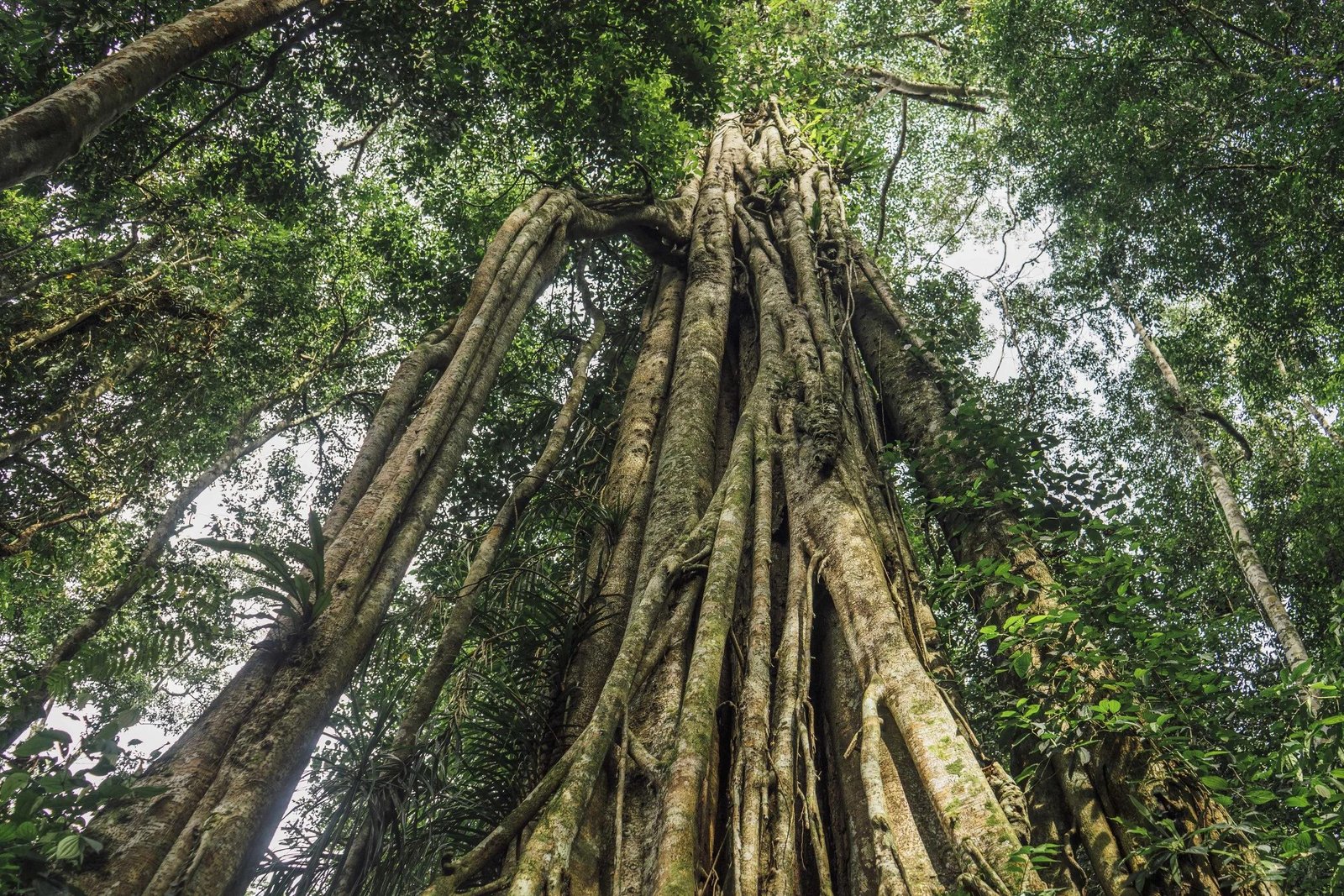
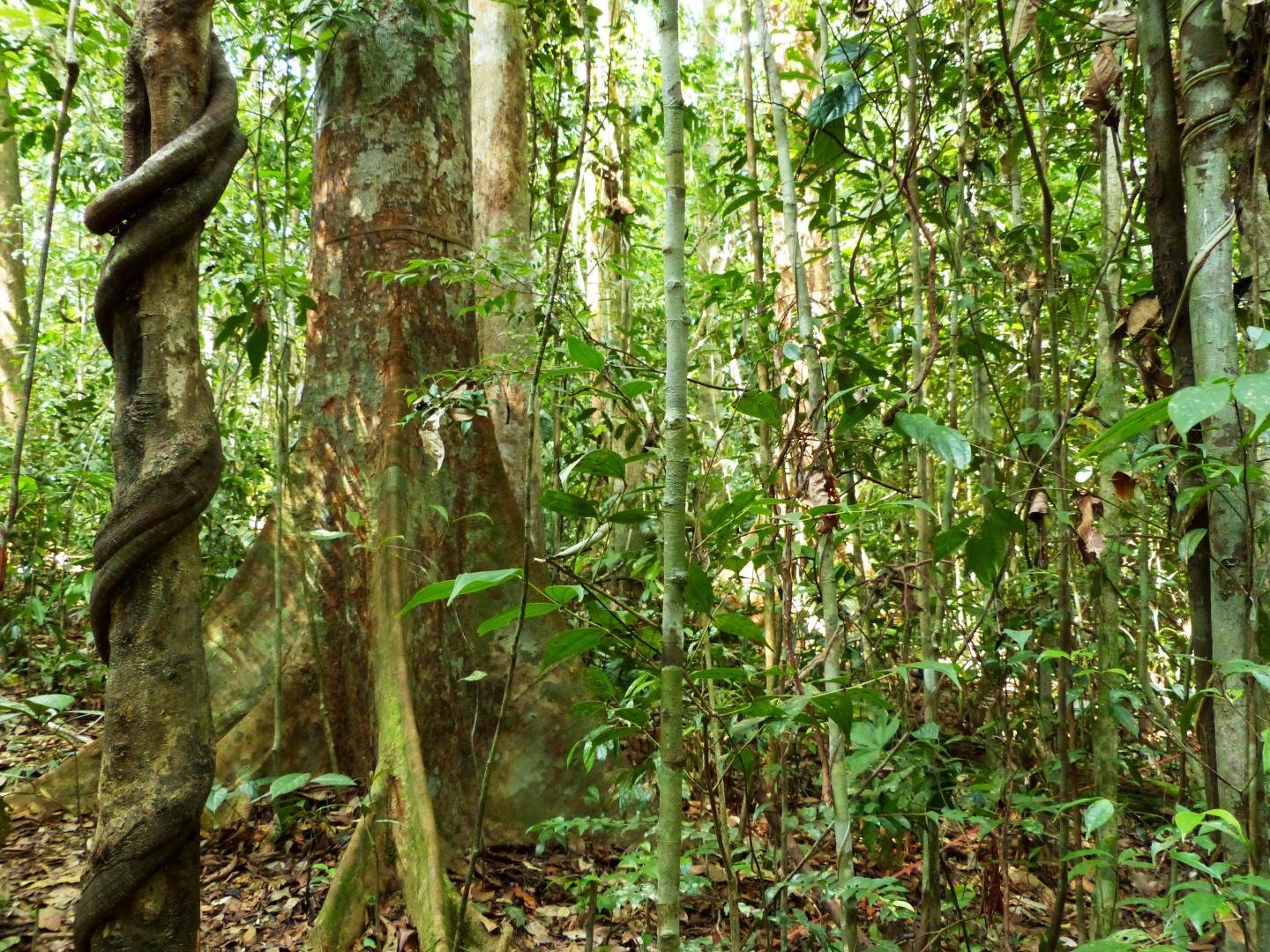
Dense tropical rainforest with towering trees and climbing vines.
-
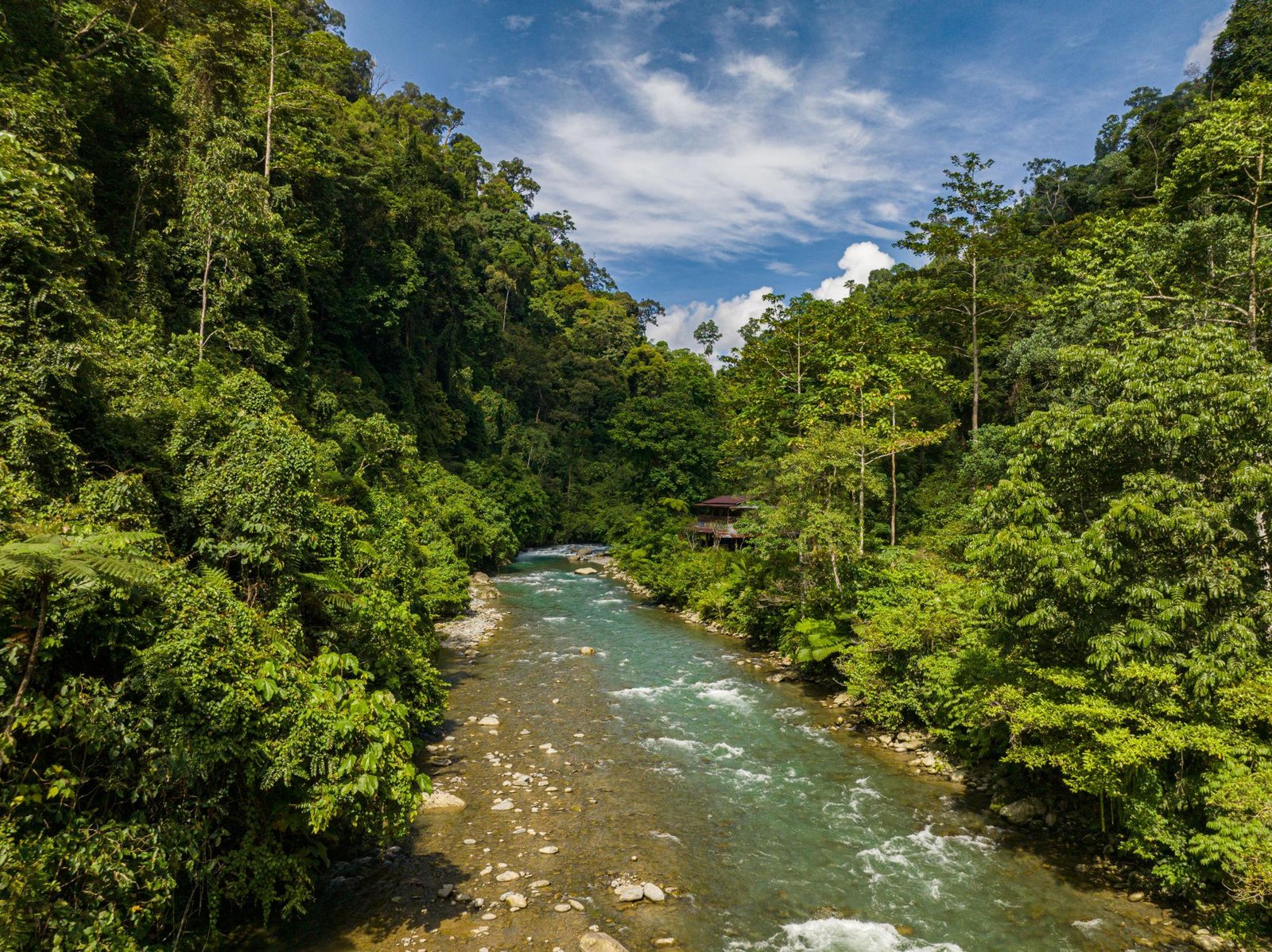
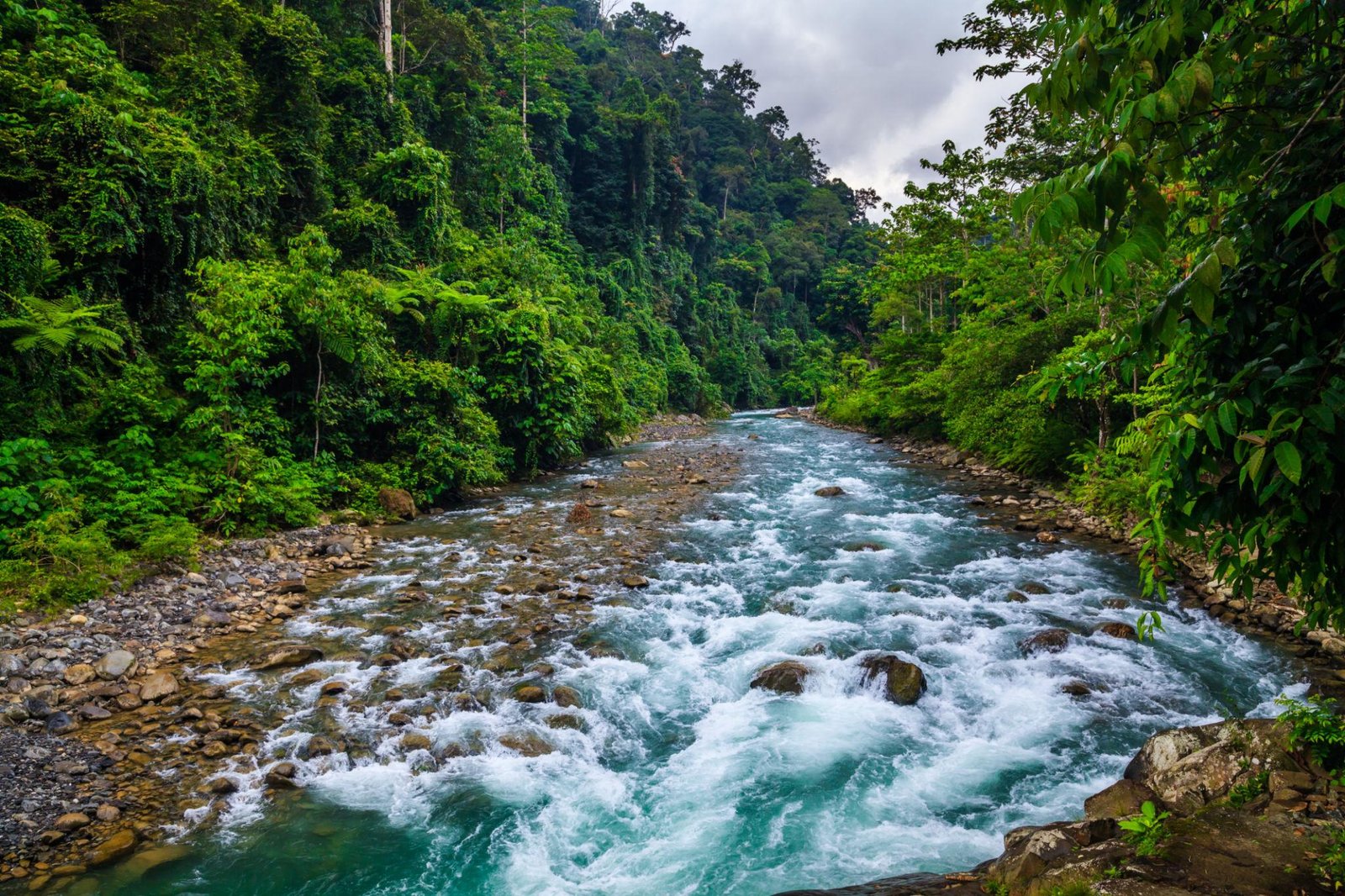
Freshwater rivers and streams that flow through forested valleys.
-
Mountain forests and steep green slopes.
-
Diverse plant life, including orchids, ferns and other tropical species.
-
Habitat for rare mammals, primates, birds, reptiles and insects.
This variety of ecosystems makes Gunung Leuser important not only for tourism, but also for scientific research, biodiversity protection, climate resilience and the long-term survival of threatened wildlife.
Why is Gunung Leuser National Park so special?
Few places offer such a rich combination of rainforest adventure, wildlife diversity and cultural discovery. The park protects some of Sumatra’s most important remaining forest habitats and supports animals that have become increasingly threatened by habitat loss and other human pressures.
Visiting responsibly can also introduce travellers to the importance of conservation and the role local communities play in protecting the landscapes around them.
2. Where Is Gunung Leuser National Park Located?
Gunung Leuser National Park stretches across parts of North Sumatra and Aceh, Indonesia. Because it covers a large area, visitors access different sections of the park from several towns and villages.
For international travellers visiting North Sumatra, Bukit Lawang is one of the best-known gateways for guided rainforest trekking and orangutan observation.
Bukit Lawang is situated beside the Bohorok River, near the park’s rainforest boundary. The village has developed around nature-based tourism, with local guides, guesthouses, restaurants and tour operators helping visitors explore the surrounding landscape.
How far is Bukit Lawang from Medan?
Bukit Lawang is approximately 85–100 kilometres from Medan by road, with a typical journey of around 3–4 hours depending on traffic, road conditions and your pickup location.
Visitors can travel by private car, arranged transfer or a combination of local public transport. A private transfer is often the most convenient option for travellers arriving at Kualanamu International Airport or staying in Medan.
For travellers planning a wider North Sumatra adventure, Bukit Lawang can be combined with Tangkahan, Berastagi, Mount Sibayak, Lake Toba and Samosir Island.
3. Wildlife of Gunung Leuser National Park
One of the greatest attractions of Gunung Leuser National Park is its remarkable wildlife. The park supports an extraordinary range of mammals, birds, reptiles, amphibians and insects, making it one of Southeast Asia’s most important natural habitats.
Exploring the forest with a knowledgeable local guide gives visitors the opportunity to learn about the animals that live here, their behaviour and the importance of protecting their natural environment.
Sumatran orangutan
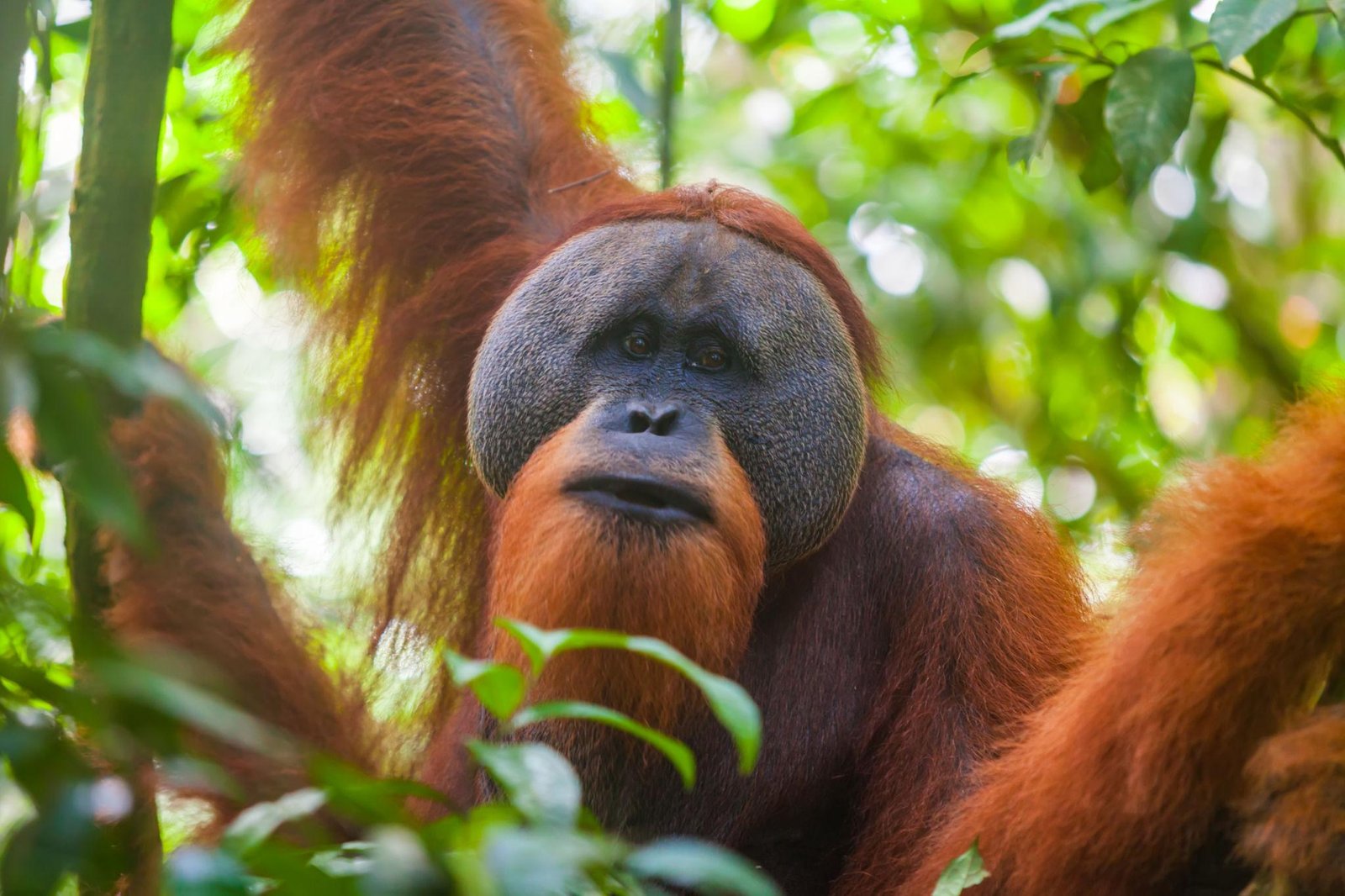
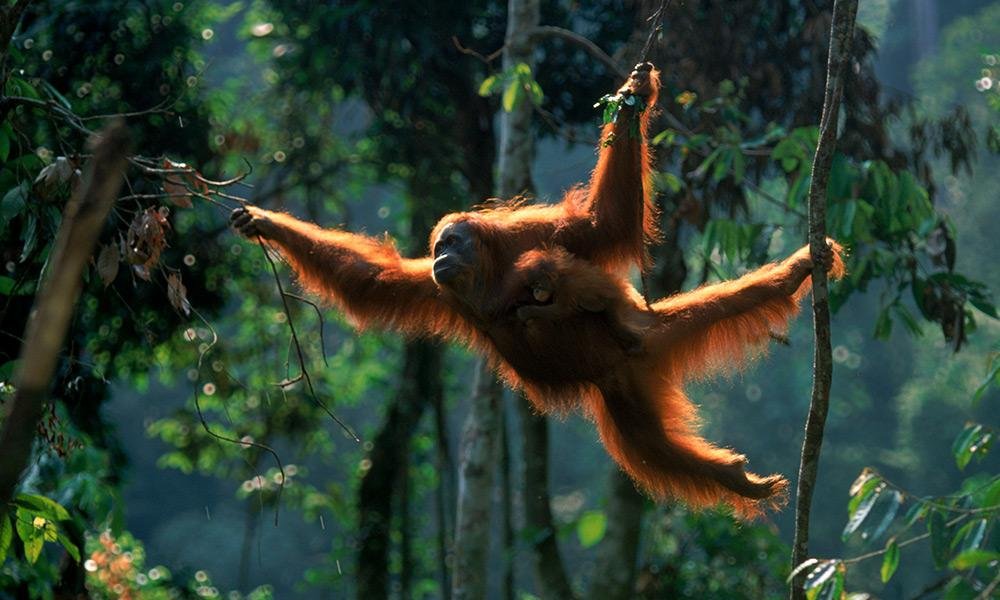
The Sumatran orangutan (Pongo abelii) is one of the park’s most iconic inhabitants. These intelligent great apes spend much of their lives in the forest canopy, where they search for fruit, feed on leaves and other vegetation, and build sleeping nests in trees.
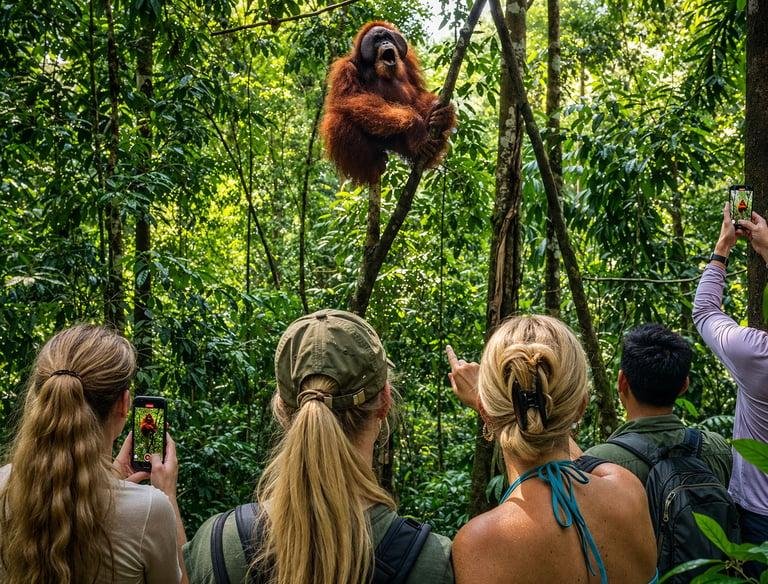
During a guided trek near Bukit Lawang, visitors may see orangutans moving between branches, feeding or resting in the forest. Every encounter is different because orangutans are wild animals and move freely through their habitat.
Sumatran tiger
The Sumatran tiger is a critically endangered big cat that depends on extensive, healthy forest habitat. Although it is an important symbol of the park’s biodiversity, it is elusive and rarely encountered by ordinary trekking visitors.
Sumatran elephant
Sumatran elephants inhabit parts of the wider Leuser landscape. They play an important ecological role by influencing vegetation and dispersing seeds. Sightings are not expected on standard Bukit Lawang treks, as elephants occupy different areas and should be observed only through appropriately arranged, responsible activities.
Sumatran rhinoceros
The Sumatran rhinoceros is among the world’s most threatened large mammals. It is extremely elusive, and visitors should not expect to see one during a jungle trek. Its presence in the wider conservation landscape highlights the international importance of protecting Sumatra’s remaining forests.
Monkeys and other primates
Several primate species may be seen or heard around Bukit Lawang, depending on the route and conditions.
-
Thomas’s leaf monkey: A distinctive northern Sumatran primate with a characteristic crest and expressive face.
-
Long-tailed macaque: An adaptable monkey that lives in a range of forest habitats.
-
Pig-tailed macaque: A primate that may be encountered in some forest areas.
-
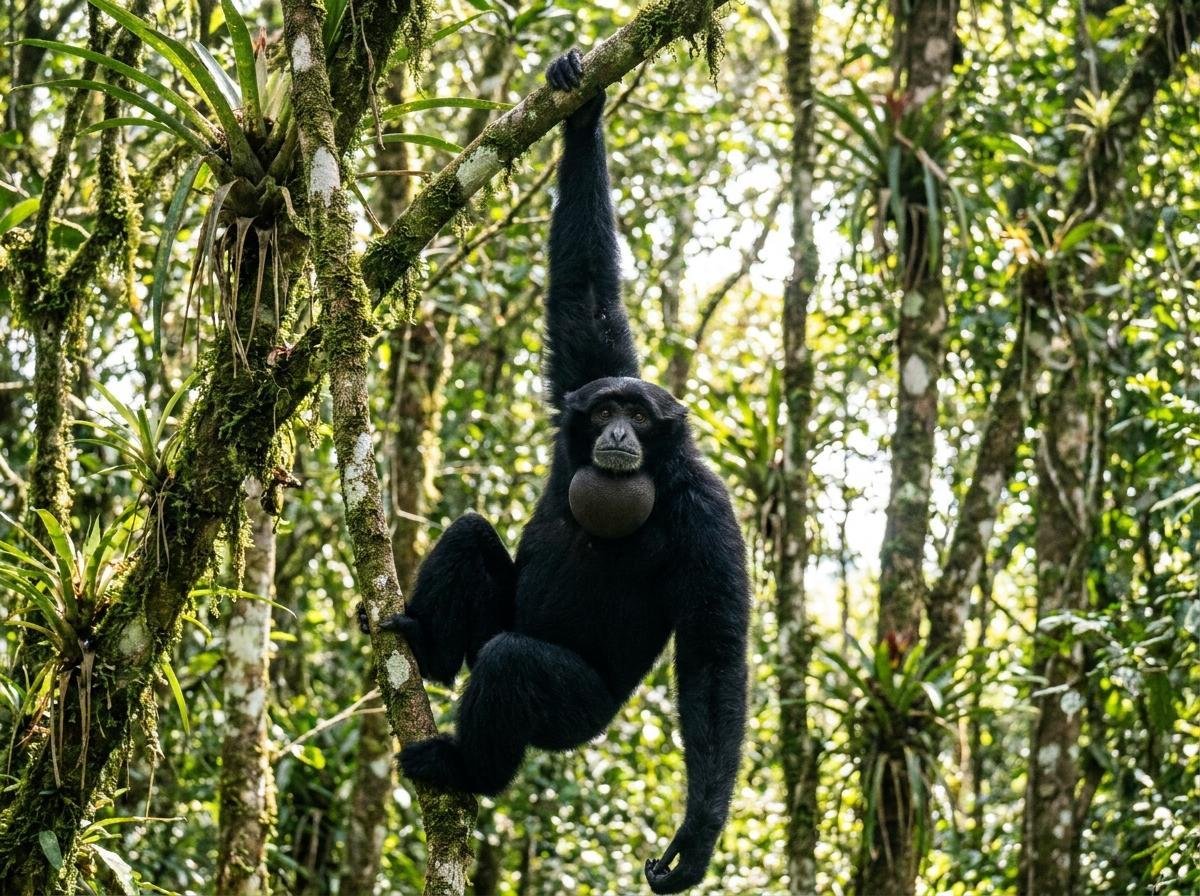
Gibbons and siamang: Arboreal apes known for their agility and remarkable calls, which can carry across the rainforest.
Tropical birds and smaller wildlife
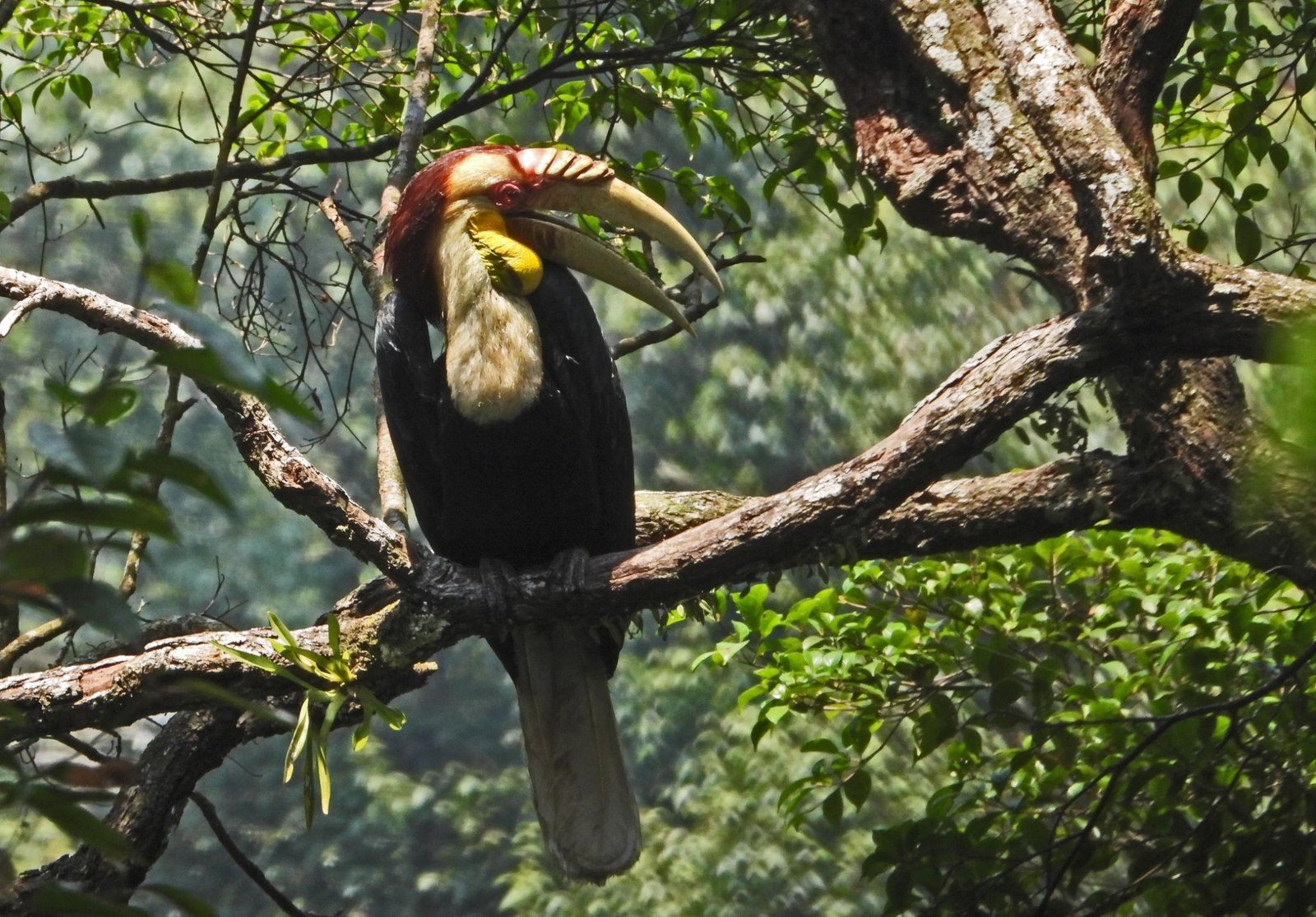
Gunung Leuser is also an exciting destination for birdwatchers and nature enthusiasts. Hornbills, forest birds, butterflies, colourful insects, frogs and other small creatures contribute to the rich life of the rainforest.
Wildlife reminder: No animal sighting is guaranteed. A responsible trek focuses on observing animals without disturbing them and appreciating the forest as a complete ecosystem, not simply as a place to find orangutans.
4. Jungle Trekking in Gunung Leuser National Park
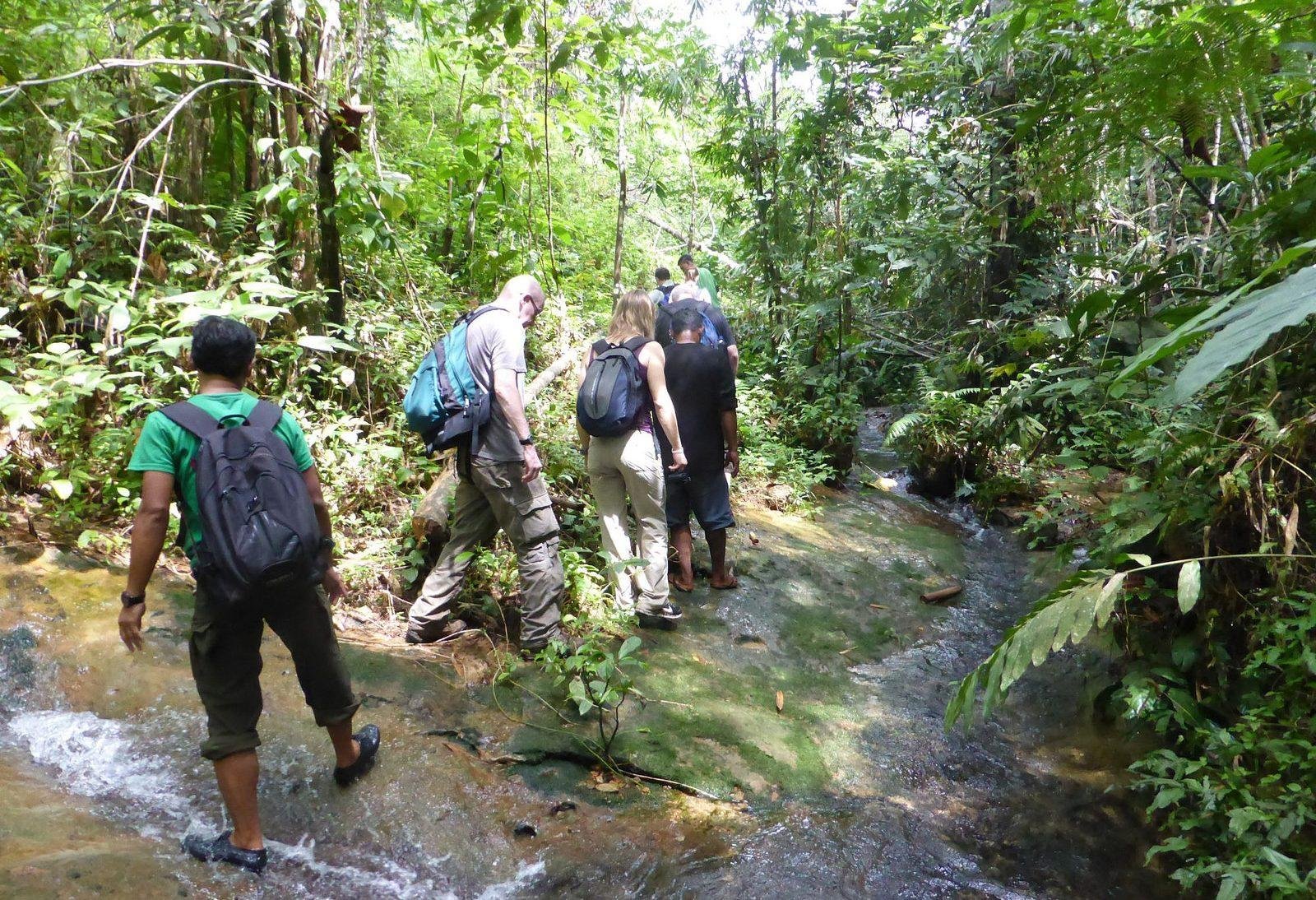
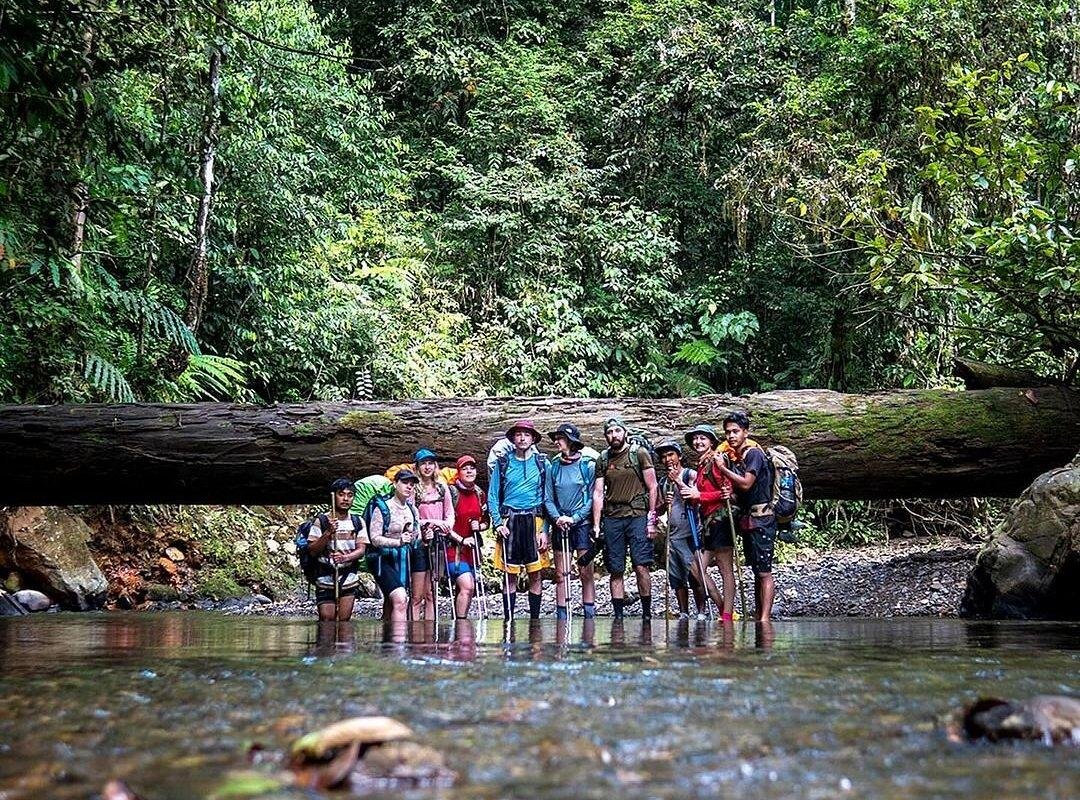
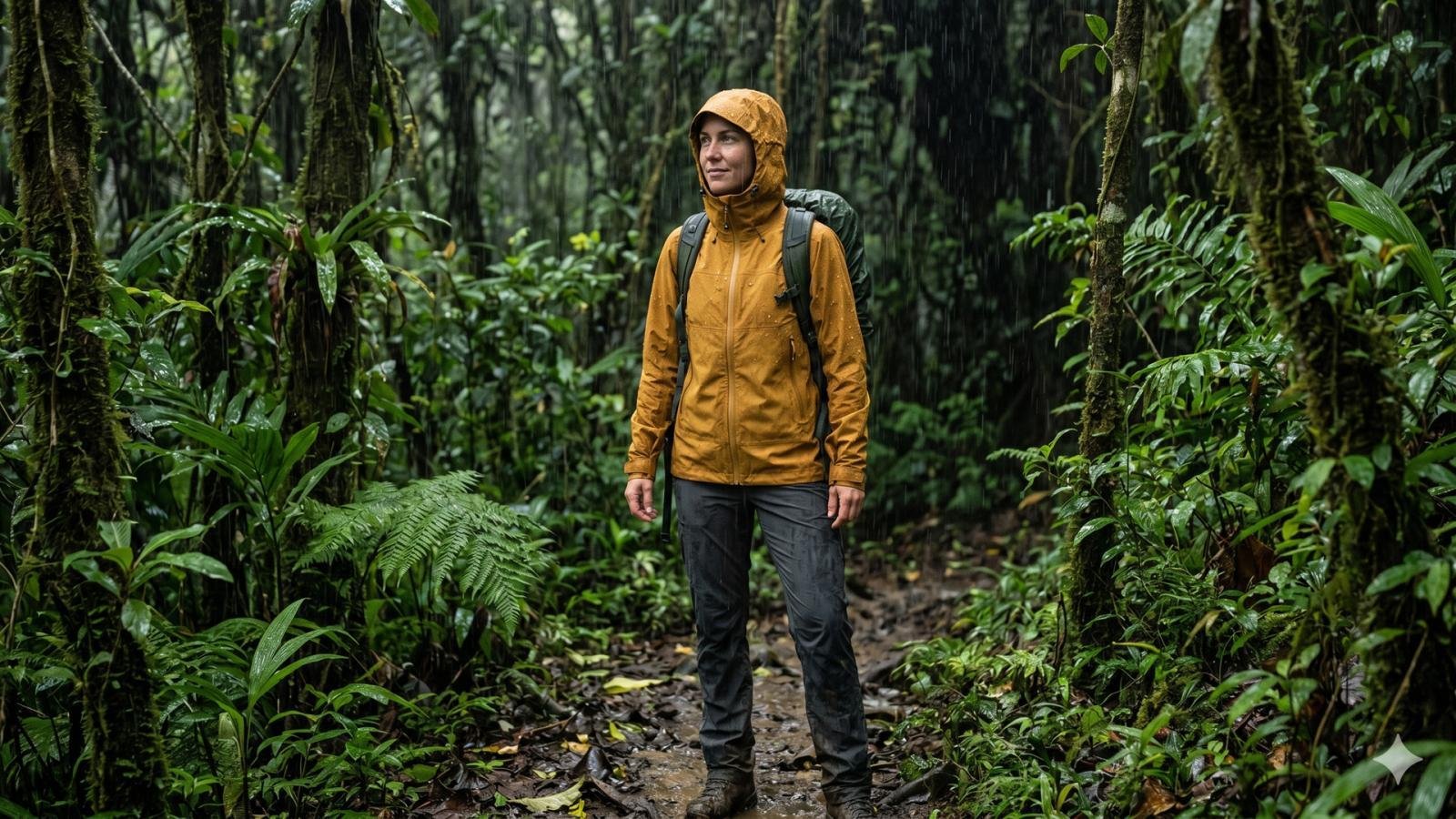
Jungle trekking is one of the most rewarding ways to experience Gunung Leuser National Park. Walking through the tropical forest allows visitors to discover the natural environment at a slower pace, learn about native plants, follow signs of wildlife and appreciate the sounds and scenery of the rainforest.
With Sumatra Tour & Travel, travellers can choose from several trekking durations according to their available time, fitness level and preferred style of adventure.
3-Hour Jungle Trek
A short introduction to the rainforest, suitable for visitors with limited time. Explore forest trails with a guide, learn about local plants and look for monkeys, birds and other wildlife. Trail difficulty depends on the selected route.


What will you experience during a jungle trek?
A guided trek may include:
-
Walking beneath towering tropical trees and through dense vegetation.
-
Looking for wild orangutans and other primates.
-
Learning to recognise wildlife tracks, calls and signs of animal activity.
-
Discovering rainforest plants and their ecological importance.
-
Exploring streams, forest paths and river valleys.
-
Enjoying Indonesian food during longer expeditions.
-
Experiencing an overnight camp on multi-day treks.
-
Learning about local conservation challenges and responsible tourism.
The exact experience depends on the trek duration, route, weather and wildlife activity.
Is jungle trekking difficult?
The rainforest terrain around Bukit Lawang can be steep, slippery, muddy and humid. Even a short trek may require walking on uneven ground, while multi-day expeditions generally demand more endurance.
Visitors should choose a suitable route and tell their tour operator about their fitness level, experience and any mobility concerns before booking.
5. Ethical Orangutan Watching and Wildlife Conservation
Seeing a Sumatran orangutan in its natural habitat can be one of the most memorable moments of a visit to North Sumatra. However, protecting the animal must always come before obtaining a photograph or close encounter.
The park’s conservation value extends far beyond orangutans. Its forests sustain many species, help regulate water systems and support communities that depend on a healthy natural environment.
When observing wildlife:
-
Keep a safe distance and follow your guide’s instructions.
-
Never touch, feed, chase or attempt to attract wild animals.
-
Avoid loud noises or sudden movements.
-
Never block an animal’s path or surround it for photographs.
-
Do not share food with wildlife or leave rubbish behind.
-
Avoid trekking when you are ill, particularly if you have symptoms that could expose great apes to human infections.
-
Follow park entry requirements, permits and official regulations.
Orangutans are susceptible to some human diseases, and close contact can also change their behaviour. Ethical wildlife tourism therefore requires careful management and respect for natural boundaries.
At Sumatra Tour & Travel, we encourage visitors to approach the rainforest with curiosity, patience and respect. Responsible tourism should help people appreciate wildlife while minimising disturbance to the animals and their habitat.
6. Rainforest Plants, Flowers and Natural Landscapes
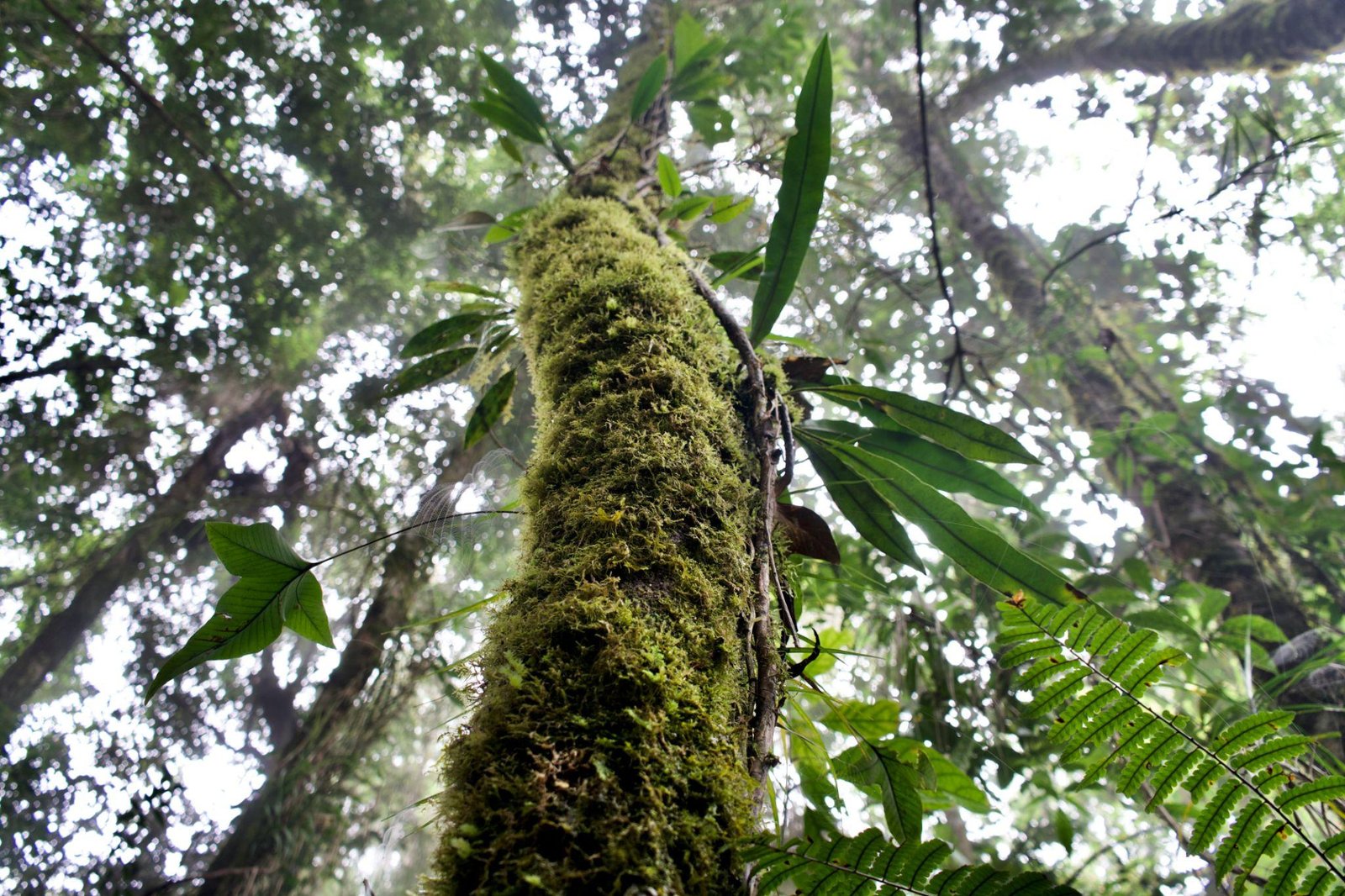
The flora of Gunung Leuser National Park is as fascinating as its wildlife. The park contains a range of forest ecosystems and supports thousands of plant species, from towering trees and climbing vines to delicate ferns, orchids and unusual flowering plants.
During a guided trek, visitors may learn about:
-
Tropical rainforest trees: Large trees form the upper canopy and provide food and shelter for many animals.
-
Ferns and mosses: These plants thrive in shaded, damp environments.
-
Climbing vines and lianas: These connect different parts of the forest and contribute to its layered structure.
-
Orchids and other tropical flowers: Many species grow in specialised habitats and may flower only at certain times.
-
Medicinal plants: Local knowledge includes traditional uses of some plants, although identification and use should be left to knowledgeable practitioners.
-
Rafflesia: Species in this remarkable group produce enormous flowers, but blooms are uncommon and unpredictable.
A guided walk is an opportunity to understand how plants, insects, birds and mammals interact to sustain a healthy rainforest.
Visitors should not pick flowers, remove plants or collect seeds from the protected forest. Enjoy the natural environment through observation and photography.
7. River Adventures Around Bukit Lawang
The Bohorok River flows beside Bukit Lawang and adds another dimension to the area’s rainforest scenery. Its flowing water, rocky banks and surrounding greenery provide a peaceful setting to relax after trekking.
Depending on the package and local conditions, visitors may be able to enjoy:
River tubing: Travel downstream on suitable inflatable tubes or an arranged tubing raft with appropriate supervision. This activity is sometimes included as part of a multi-day jungle trek.
Riverside relaxation: Spend time enjoying the sound of the river, taking photographs or relaxing at an appropriate riverside location.
Nature photography: Capture the contrast between flowing water, tropical vegetation and the surrounding hills.
River activities must always depend on current water levels, rainfall and local safety assessments. Heavy rain can quickly make tropical rivers dangerous. Never enter the river without checking conditions and following qualified local guidance.
What to Pack for a Gunung Leuser Jungle Trek

Proper preparation helps make your rainforest adventure more comfortable and enjoyable.
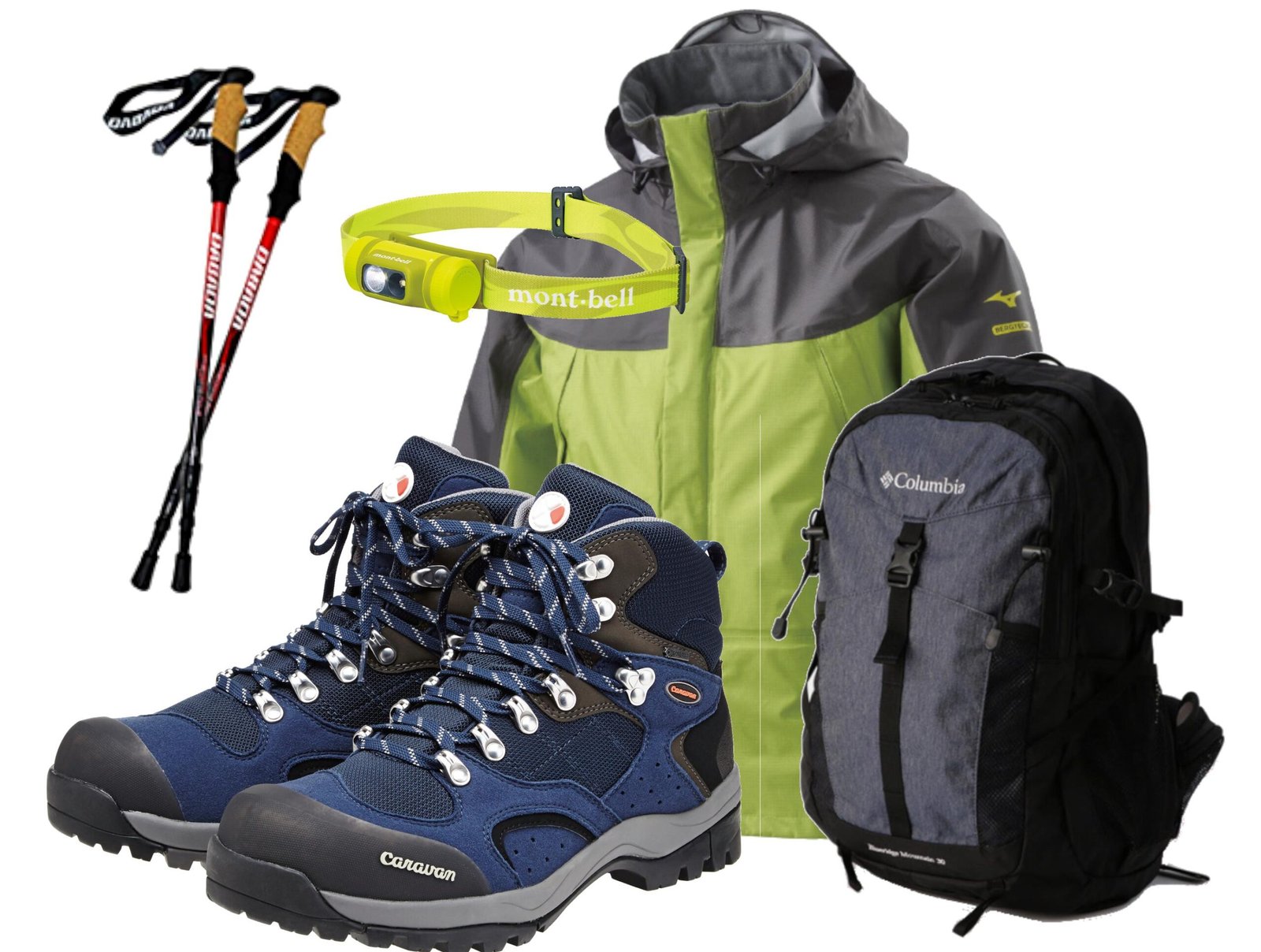
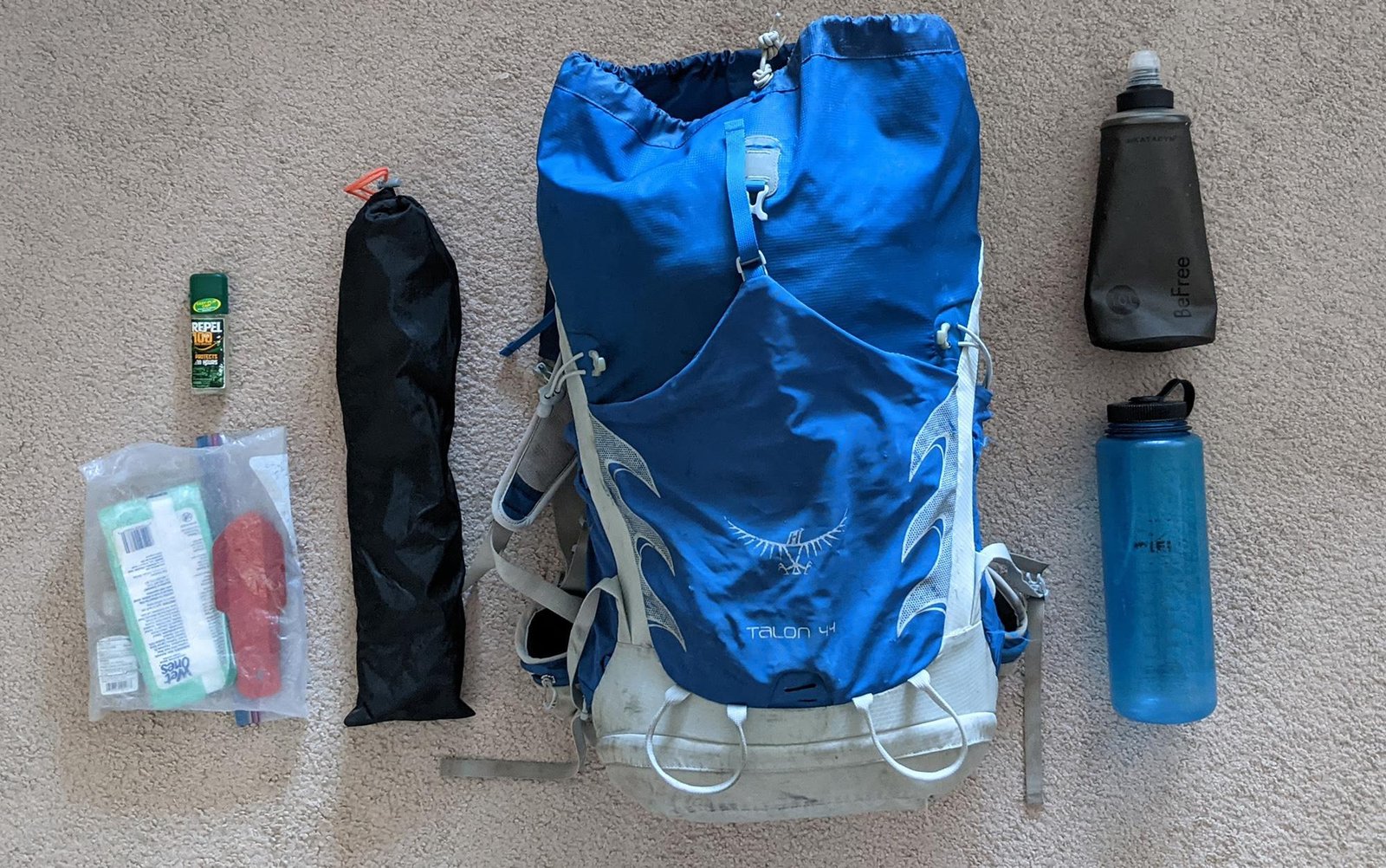
We recommend bringing:
-
Lightweight, quick-drying trekking clothes.
-
Comfortable hiking shoes with good grip.
-
A waterproof jacket or poncho.
-
A small backpack for personal essentials.
-
Insect repellent and sunscreen.
-
A hat and reusable water bottle.
-
Personal medication and basic toiletries.
-
A headlamp or flashlight for overnight treks.
-
A waterproof bag for your phone, camera and valuables.
-
Extra clothes and a towel for after trekking.
-
Swimwear if river activities are planned and conditions permit.
For overnight expeditions, confirm what your package includes. Camping equipment, meals, drinking water arrangements and other supplies may be provided according to the tour.
Avoid carrying unnecessary belongings, and inform your guide of any medical or dietary requirements before starting your trek.
12. Safety Guidelines and Responsible Travel
Gunung Leuser National Park is a wild natural environment, not a managed theme park. Conditions can change quickly, and visitors should prepare for steep trails, tropical rainfall, insects and other challenges.
To help protect yourself, other visitors and the rainforest, follow these recommendations:
-
Arrange an authorised guided trek. Confirm the applicable park permits, entry requirements and guide arrangements before entering the protected area.
-
Follow your guide. Stay with your group and do not explore unfamiliar forest trails alone.
-
Respect wildlife. Never touch, feed or approach wild animals.
-
Prepare for rain. Wet trails can become slippery, and heavy rainfall can make rivers unsafe.
-
Stay hydrated. Bring sufficient safe drinking water and follow your guide’s advice.
-
Choose a suitable route. Consider your fitness, age, experience and comfort with humid conditions.
-
Protect the forest. Take all rubbish out with you and do not collect plants or disturb wildlife.
-
Be considerate of local communities. Respect local customs and ask permission before taking photographs of people.
-
Follow official park regulations. Access, permits and permitted activities may be subject to current rules.
-
Remain flexible. Your guide may need to change a route or cancel an activity if conditions become unsafe.
Responsible tourism helps preserve the rainforest so that future visitors and local communities can continue to benefit from its natural and cultural value.
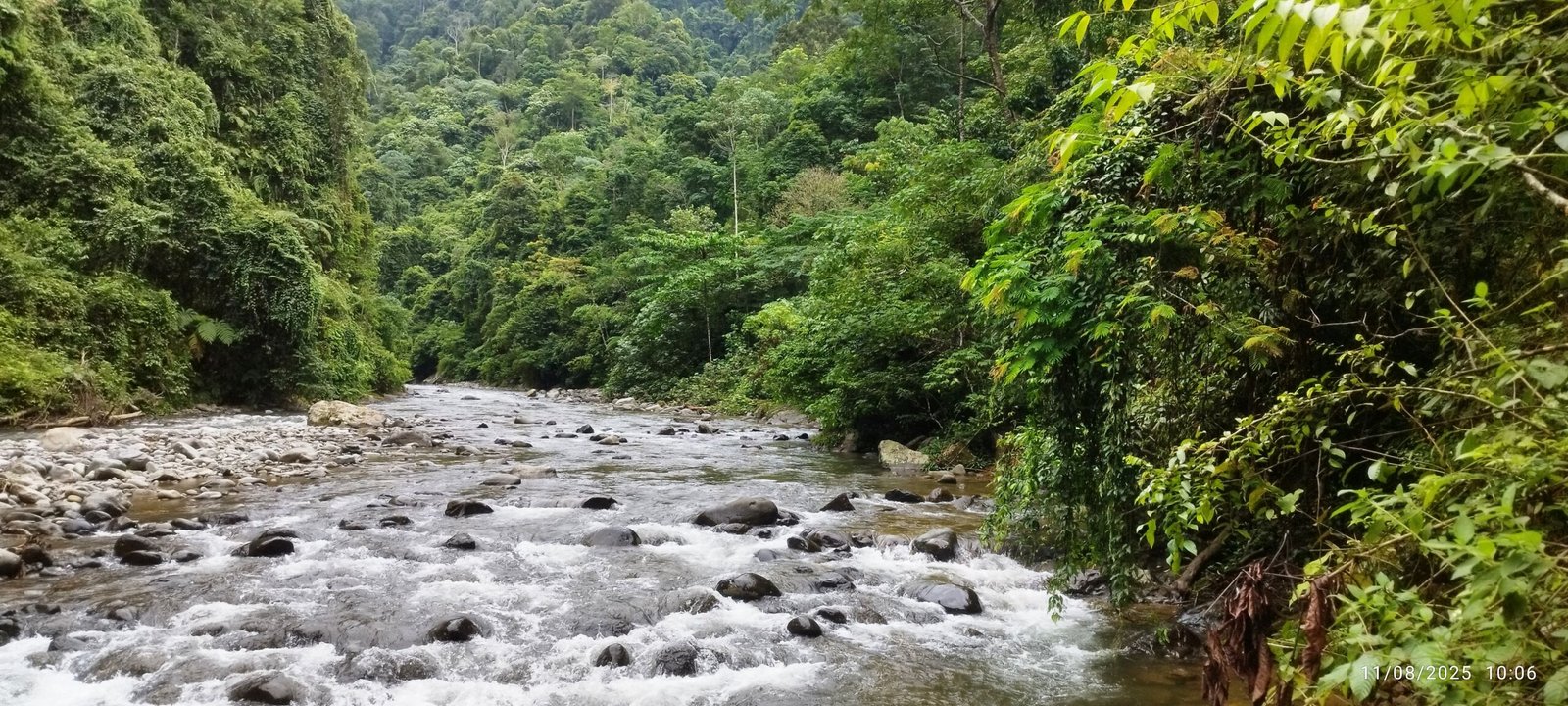
For most international visitors exploring the Bukit Lawang area, the journey begins in Medan, North Sumatra’s main urban and transport hub.
By private transfer
A private transfer from Medan or Kualanamu International Airport is a convenient way to reach Bukit Lawang. The journey generally takes around 3–4 hours, depending on traffic and road conditions.
By public transport
Travellers can use local transport connections from Medan towards Bukit Lawang. Routes and departure arrangements may vary, so check the latest information before travelling.
By organised tour
An organised tour can combine transportation, accommodation, jungle trekking and additional North Sumatra destinations. This is especially useful for visitors with limited time or those planning a multi-day adventure.
Our recommendation: If you are arriving on an international flight, allow sufficient time for immigration, baggage collection and the road transfer. An overnight stay in Medan may be helpful if your flight arrives late.
Gunung Leuser National Park is an excellent starting point for a longer Sumatra adventure. Combine rainforest exploration with highland scenery, volcanic landscapes, traditional villages and tropical islands.

Tangkahan and Sumatran Elephant
Discover riverside scenery and tropical forest. Ask about currently available conservation-focused activities and choose operators that prioritise animal welfare.

Berastagi and Mount Sibayak volcano
Explore the cooler highlands, visit local markets and enjoy a guided volcano hike when conditions permit.
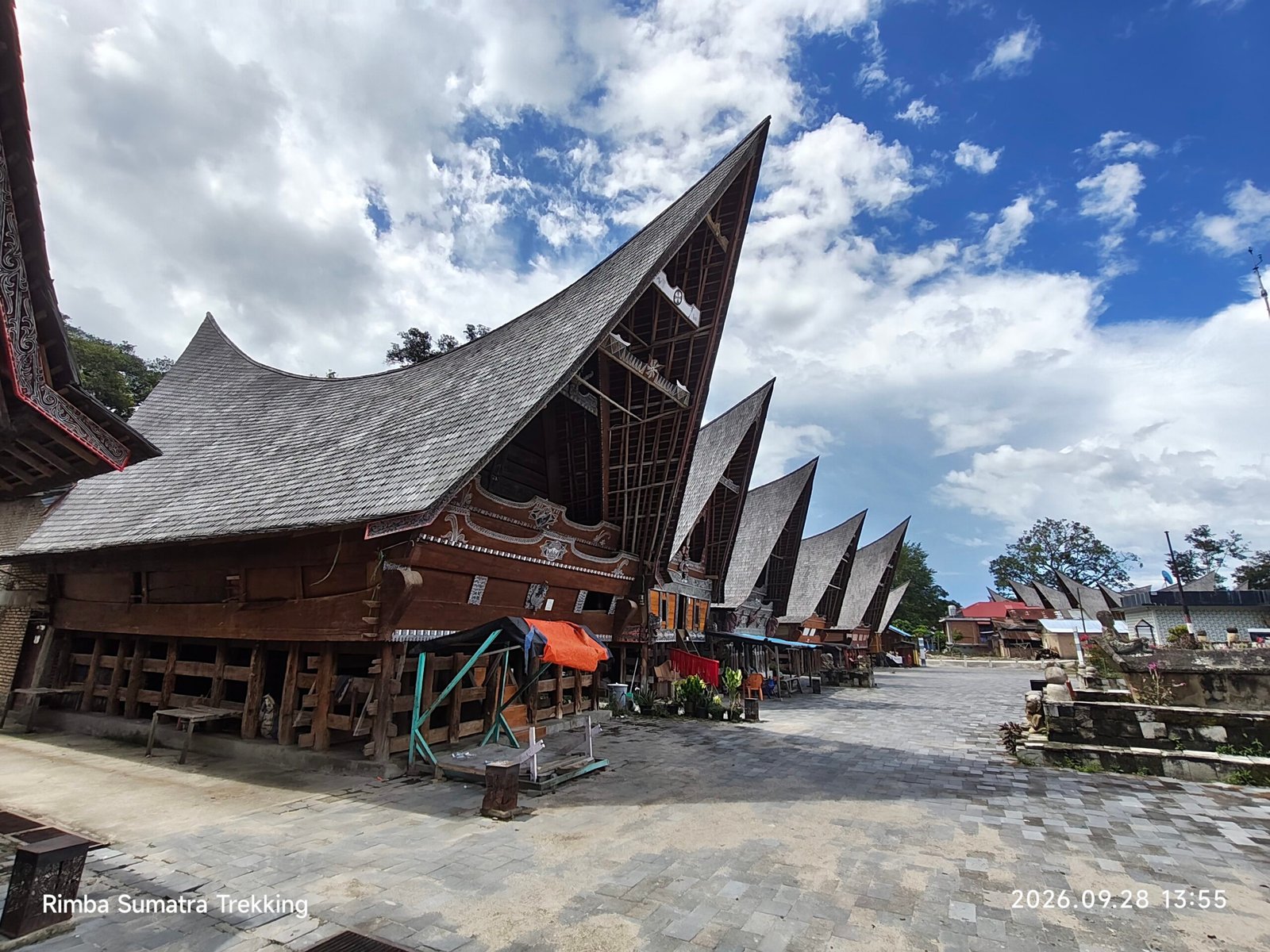
Lake Toba and Samosir Island
Enjoy the volcanic lake landscape, explore Batak cultural heritage and discover traditional villages and lakeside communities.
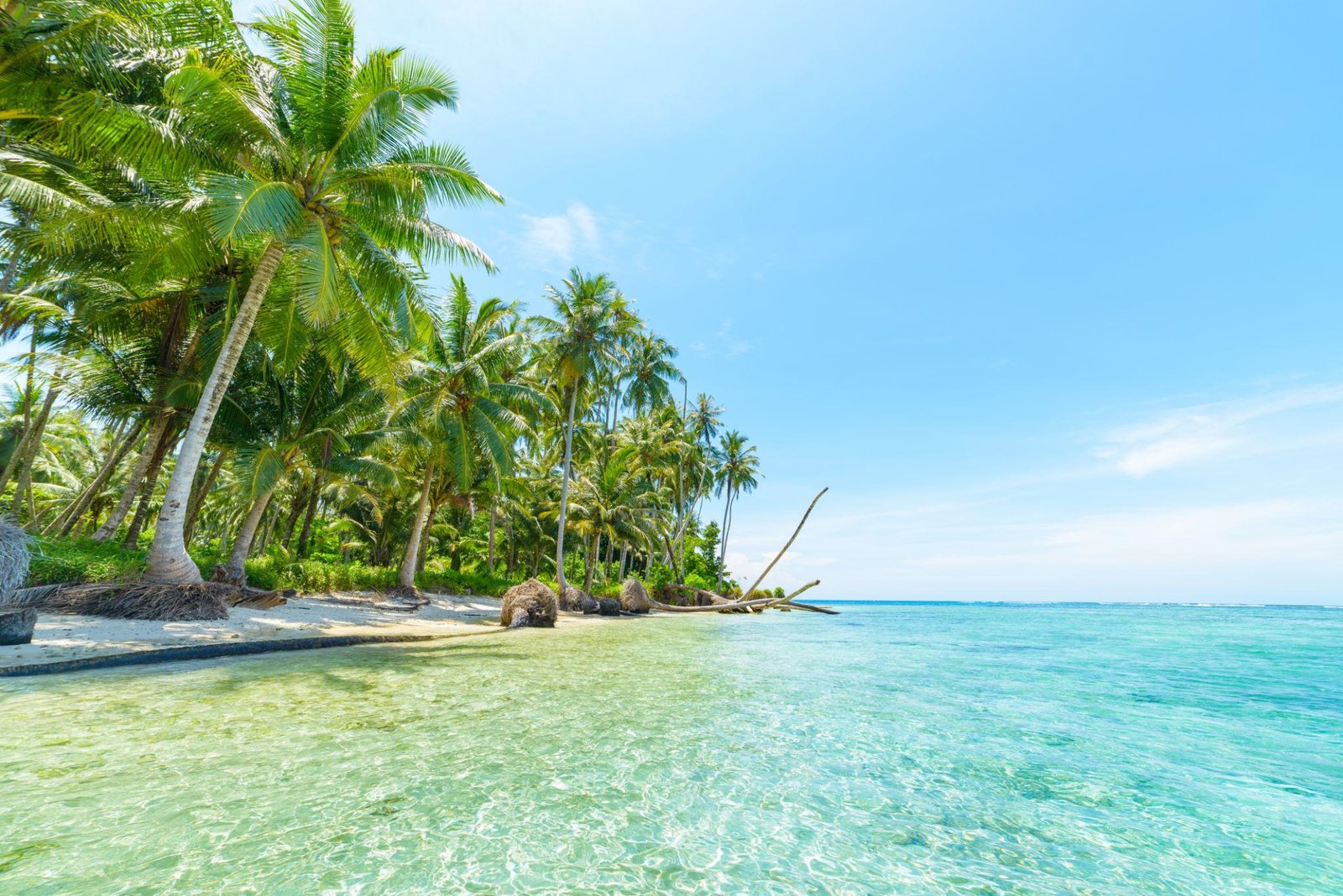
Pulau Banyak Tropical Islands
Extend your journey with tropical island scenery, beaches and opportunities for relaxation, depending on weather and transport availability.
Frequently Asked Questions About Gunung Leuser National Park
What is Gunung Leuser National Park famous for?
The park is known for its extraordinary tropical biodiversity, Sumatran orangutans, diverse rainforest ecosystems, mountain landscapes and conservation importance. It forms part of the UNESCO-listed Tropical Rainforest Heritage of Sumatra
Can I see orangutans in Gunung Leuser National Park?
Orangutans live in the rainforest, and visitors may encounter them on guided treks near Bukit Lawang. Sightings are not guaranteed because the animals move freely through their habitat.
Do I need a guide to enter the rainforest?
Visitors should arrange trekking through an authorised local guide or reputable operator and confirm current park permits and entry rules. A knowledgeable guide helps visitors explore safely and understand the forest.
How many days should I spend in Gunung Leuser National Park?
A short trek can suit visitors with limited time. A full day provides more time to explore, while two- to four-day treks allow for overnight camping and a more immersive rainforest experience.
Is Gunung Leuser National Park suitable for beginners?
Beginners can consider shorter treks with an appropriate guide. The terrain can still be steep, humid and slippery, so choose your route according to your fitness and experience.
Can I camp overnight in the rainforest?
Overnight camping is offered on selected multi-day trekking itineraries, subject to approved routes, local rules and conditions. Confirm camping arrangements and included equipment before booking.
What animals can I see besides orangutans?
Depending on location and conditions, visitors may encounter Thomas’s leaf monkeys, macaques, gibbons, hornbills, butterflies and other wildlife. Larger animals such as tigers, elephants and rhinoceroses are elusive and should not be expected on standard treks.
What should I wear for jungle trekking?
Wear lightweight, quick-drying clothing and sturdy shoes with good grip. Bring rain protection, insect repellent, drinking water and waterproof protection for personal belongings.
Can I combine Gunung Leuser with Lake Toba?
Yes. Gunung Leuser and Bukit Lawang can be combined with Berastagi, Lake Toba and Samosir Island in a longer North Sumatra itinerary. Allow enough time for the road journeys between destinations.
Is Gunung Leuser National Park a UNESCO World Heritage Site?
Gunung Leuser National Park is one of the three protected areas included in the Tropical Rainforest Heritage of Sumatra, a UNESCO World Heritage property inscribed in 2004
Discover the Wild Rainforest of Sumatra
Gunung Leuser National Park is a destination for travellers who want to experience the natural beauty of Indonesia beyond its cities and beaches. Its rich wildlife, towering rainforest trees, flowing rivers and remarkable biodiversity make it one of the most fascinating places to explore in Sumatra.
From searching for wild orangutans on a guided jungle trek to spending a night camping in the rainforest, each journey offers a new perspective on this extraordinary ecosystem.
Explore the park responsibly, discover the culture of the surrounding communities and experience the beauty of North Sumatra with Sumatra Tour & Travel.
Ready to plan your rainforest adventure?
Contact Sumatra Tour & Travel to discuss your preferred trekking duration, travel dates, group size and tailor-made Sumatra itinerary.
-
Website: sumatratourandtravel.com
-
Email: sumatratourandtravel@gmail.com
-
Phone / WhatsApp: +62 812 4626 4321
Explore the jungle. Discover the wildlife. Experience the real Sumatra.