
Sumatran Elephant: Critically Endangered Species Facing Rapid Habitat Loss
The Sumatran elephant (Elephas maximus sumatranus) is one of three recognized subspecies of the Asian elephant and is found exclusively on the Indonesian island of Sumatra. Classified as Critically Endangered by the International Union for Conservation of Nature (IUCN) since 2011, the species has suffered a population decline of more than 80% over the past 75 years due to habitat destruction, forest fragmentation, and poaching.
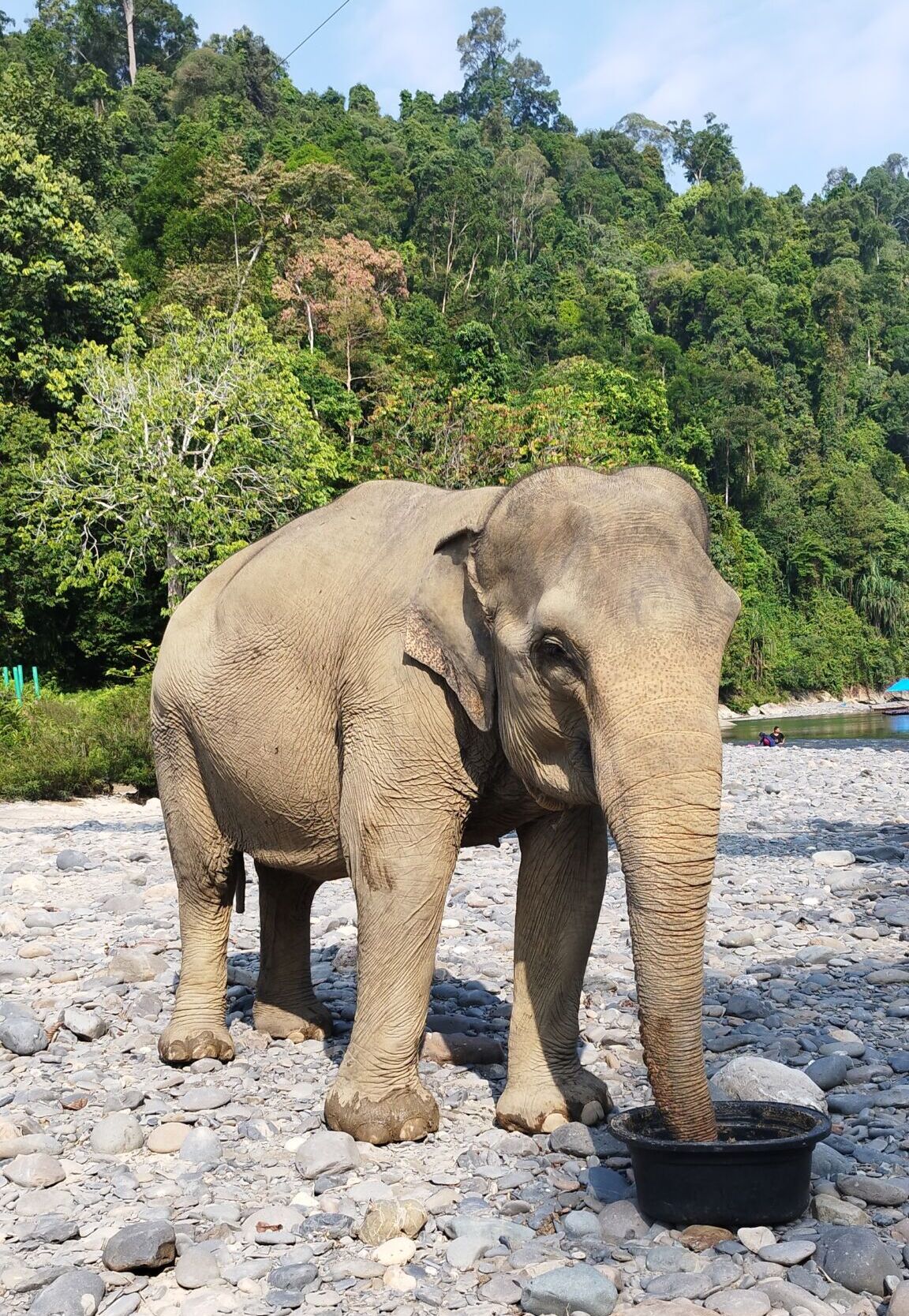
The Sumatran elephant is distinguished by its lighter skin color, smaller body size compared to other Asian elephant subspecies, and a shoulder height ranging from 2 to 3.2 meters. Adult elephants can weigh between 2,000 and 4,000 kilograms and primarily inhabit lowland forests, river valleys, and mountainous regions below 200 meters in elevation.
Sumatran elephant (Elephas maximus sumatranus)
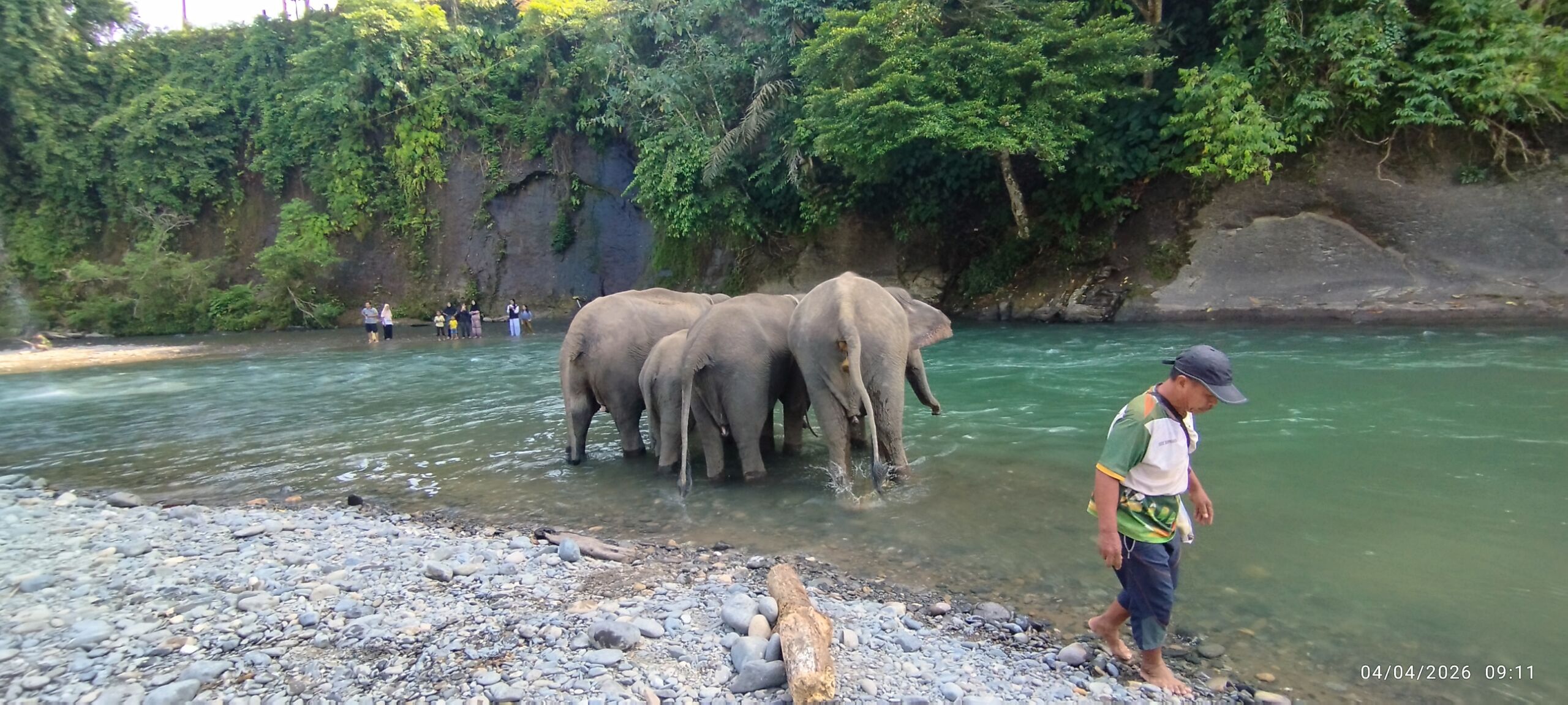
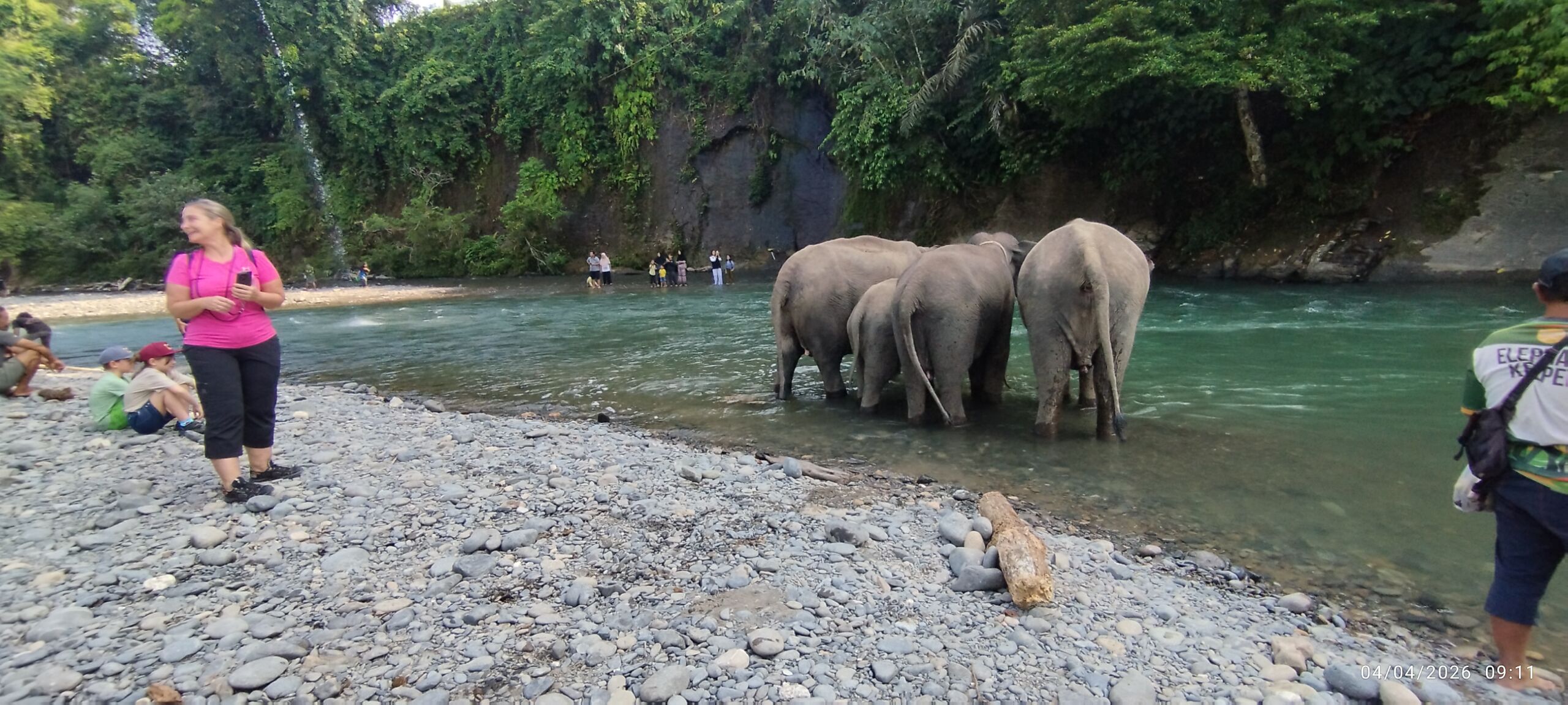
Historically widespread across Sumatra, the species has experienced severe population declines in recent decades. More than 69% of its natural habitat has disappeared as forests have been converted into agricultural land, human settlements, and palm oil plantations. Today, fewer than 2,800 wild Sumatran elephants are believed to survive in fragmented populations, with most living outside protected conservation areas.
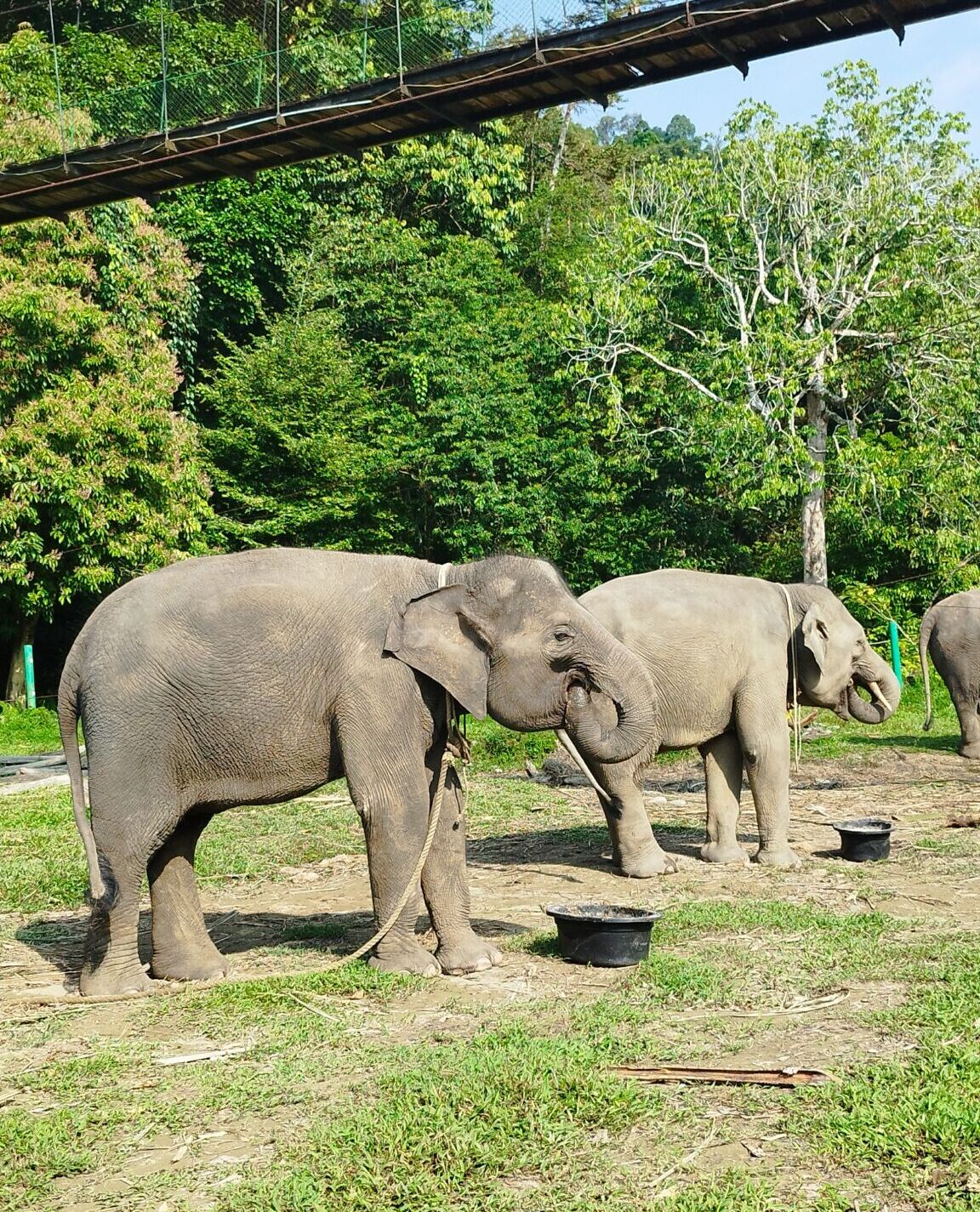
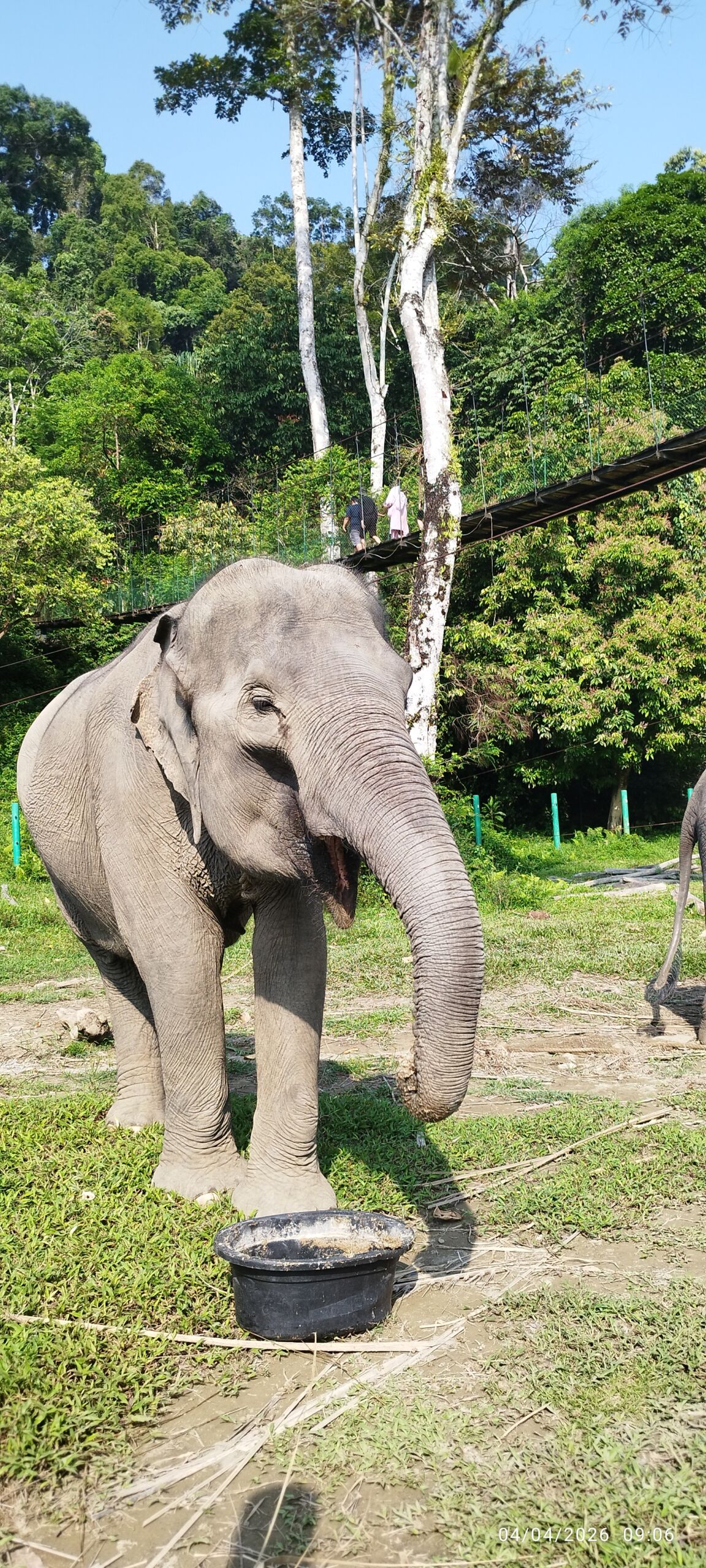
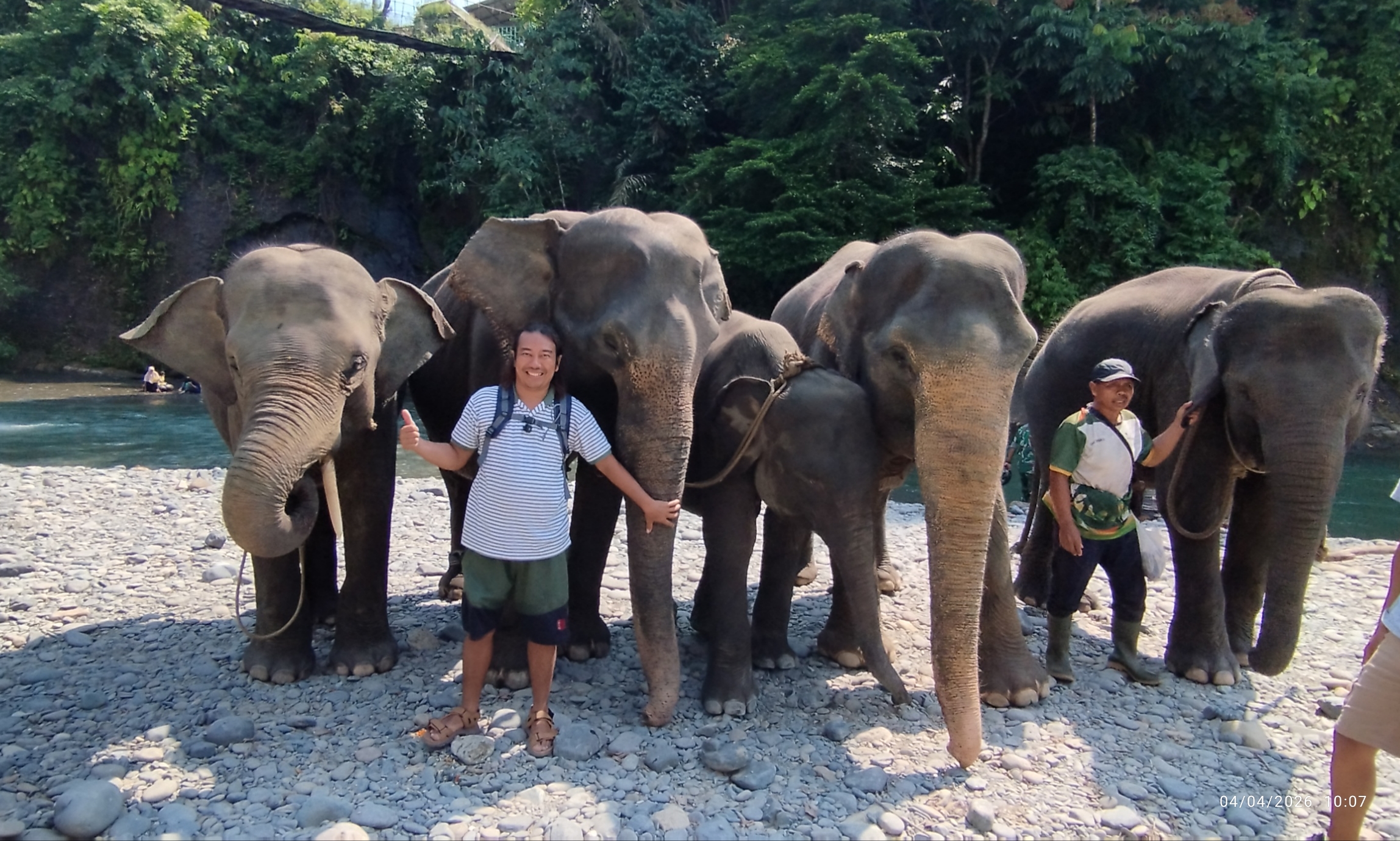
Sumatran Elephant Sanctuary in Tangkahan
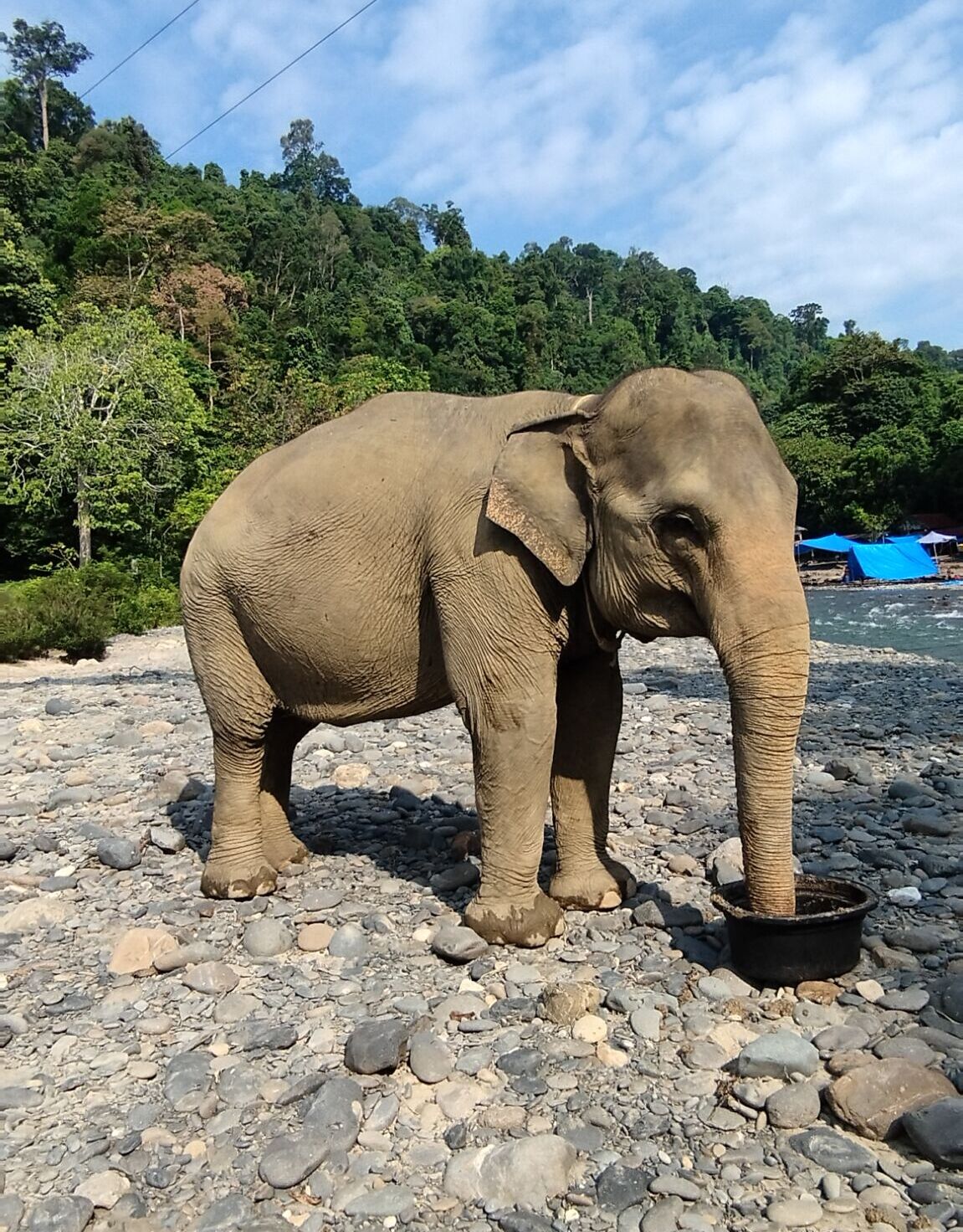
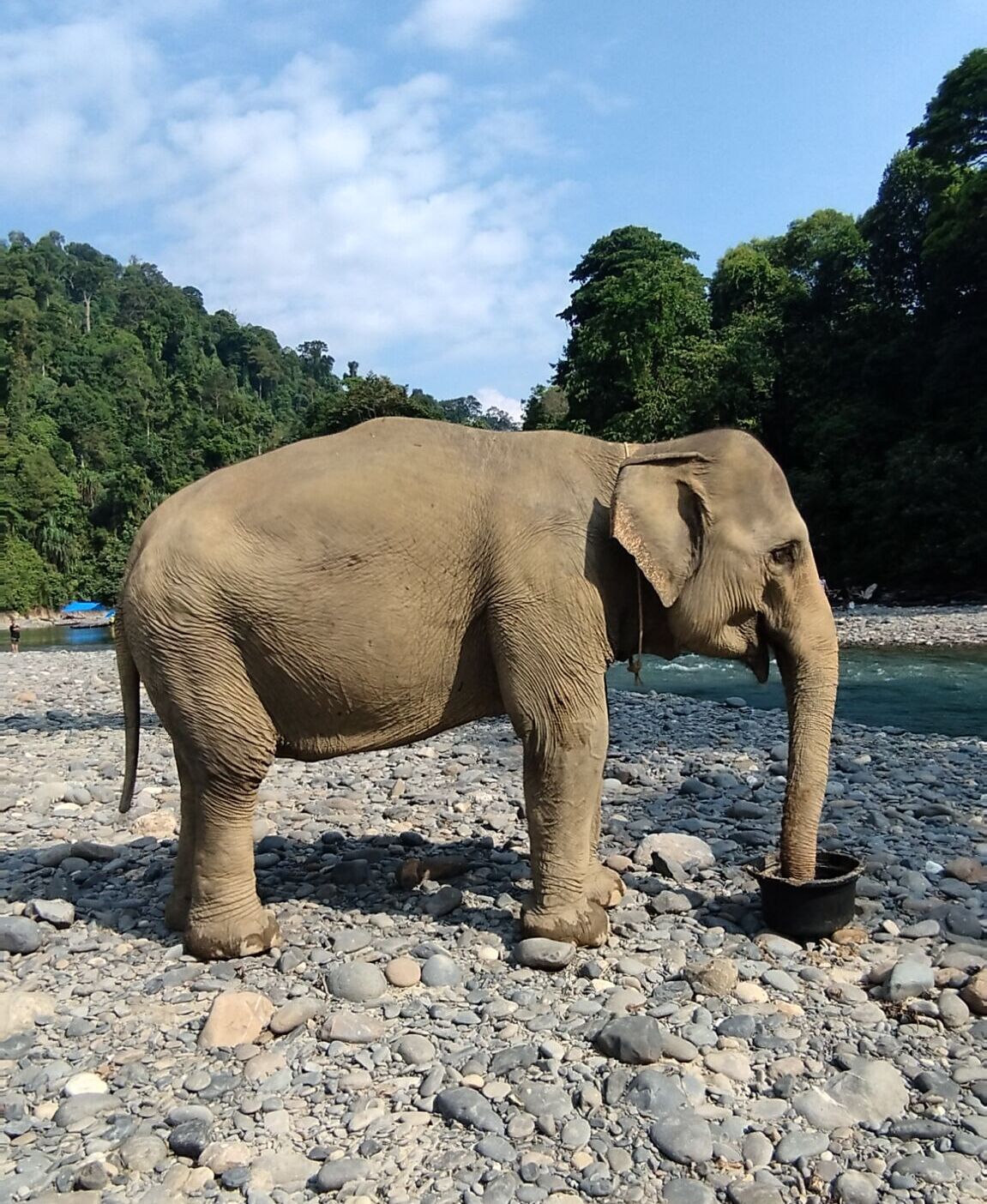
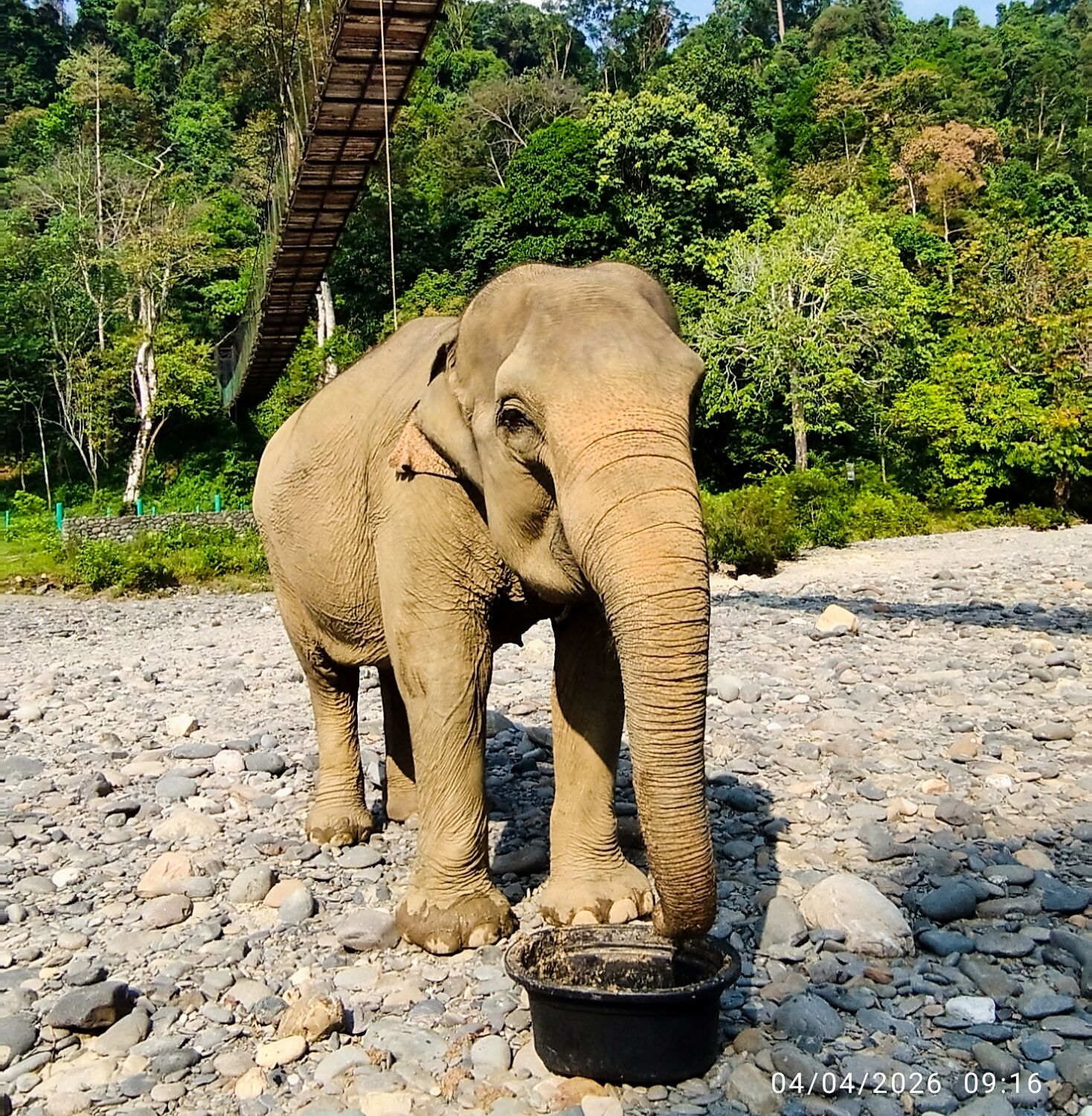
Human-elephant conflict remains one of the greatest threats to the species. As elephants lose access to their traditional habitats and migration routes, they increasingly enter farmland in search of food, leading to crop damage and retaliatory killings. Additional threats include illegal trapping, poisoning, electrocution, and continued deforestation linked to agricultural expansion.
Conservation experts emphasize that protecting remaining forest ecosystems, reducing habitat fragmentation, and strengthening anti-poaching efforts are essential to ensuring the long-term survival of the Sumatran elephant. Without urgent conservation action, this iconic species faces an increasing risk of extinction in the wild.
Jungle trek into sumatra rain forest, range from 1 day up to 20 days trekking