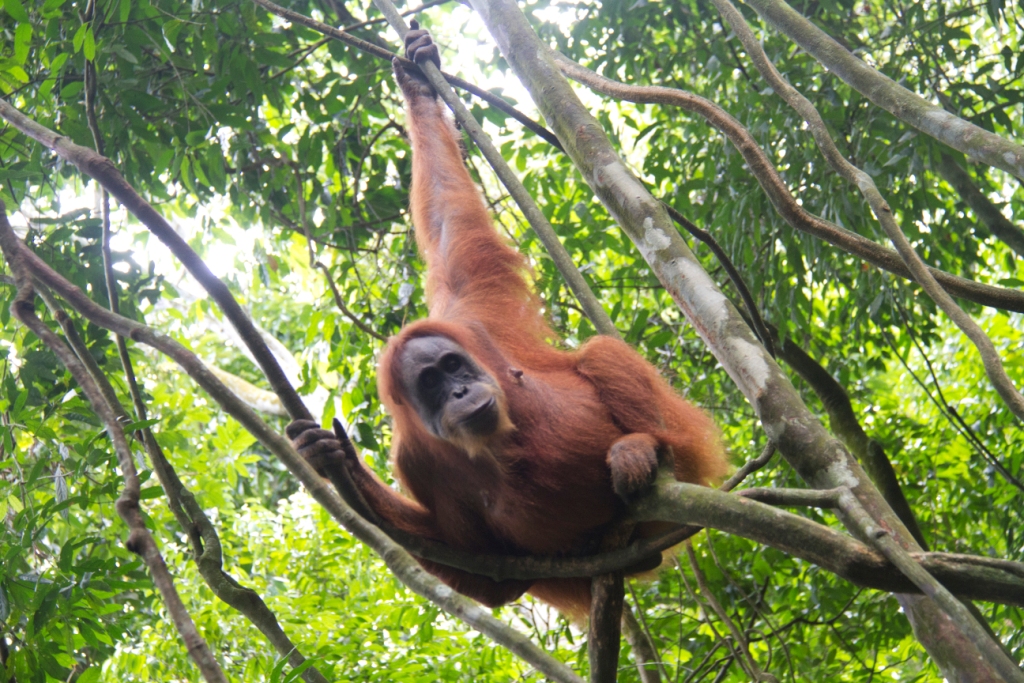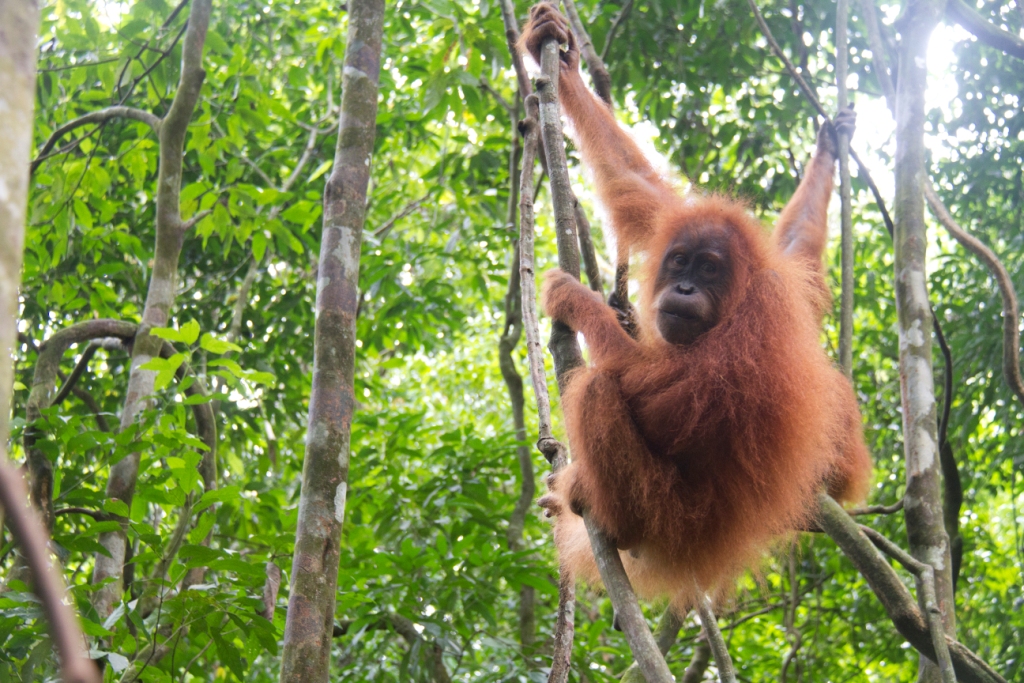
Sumatra Orangutan or Pongo Abelii
1. Taxonomy and Evolution
-
Kingdom: Animalia
-
Phylum: Chordata
-
Class: Mammalia
-
Order: Primates
-
Family: Hominidae
-
Genus: Pongo
-
Species: Pongo abelii
The Sumatran orangutan diverged from the Bornean orangutan approximately 400,000–700,000 years ago. Genetic studies show that Sumatran orangutans are more closely related to the Tapanuli orangutan (Pongo tapanuliensis) than to Bornean populations.

2. Geographic Distribution
Sumatran orangutans are endemic to northern Sumatra, Indonesia, primarily within:
-
Aceh Province
-
North Sumatra Province
Their main stronghold is the Leuser Ecosystem, one of Southeast Asia’s largest remaining intact rainforest landscapes.
3. Conservation Status
-
IUCN Red List: Critically Endangered
-
CITES: Appendix I (no international trade permitted)
-
Estimated population: ~13,000 individuals
-
Population trend: Decreasing
The species faces a high risk of extinction in the wild if current trends continue.
4. Physical Characteristics
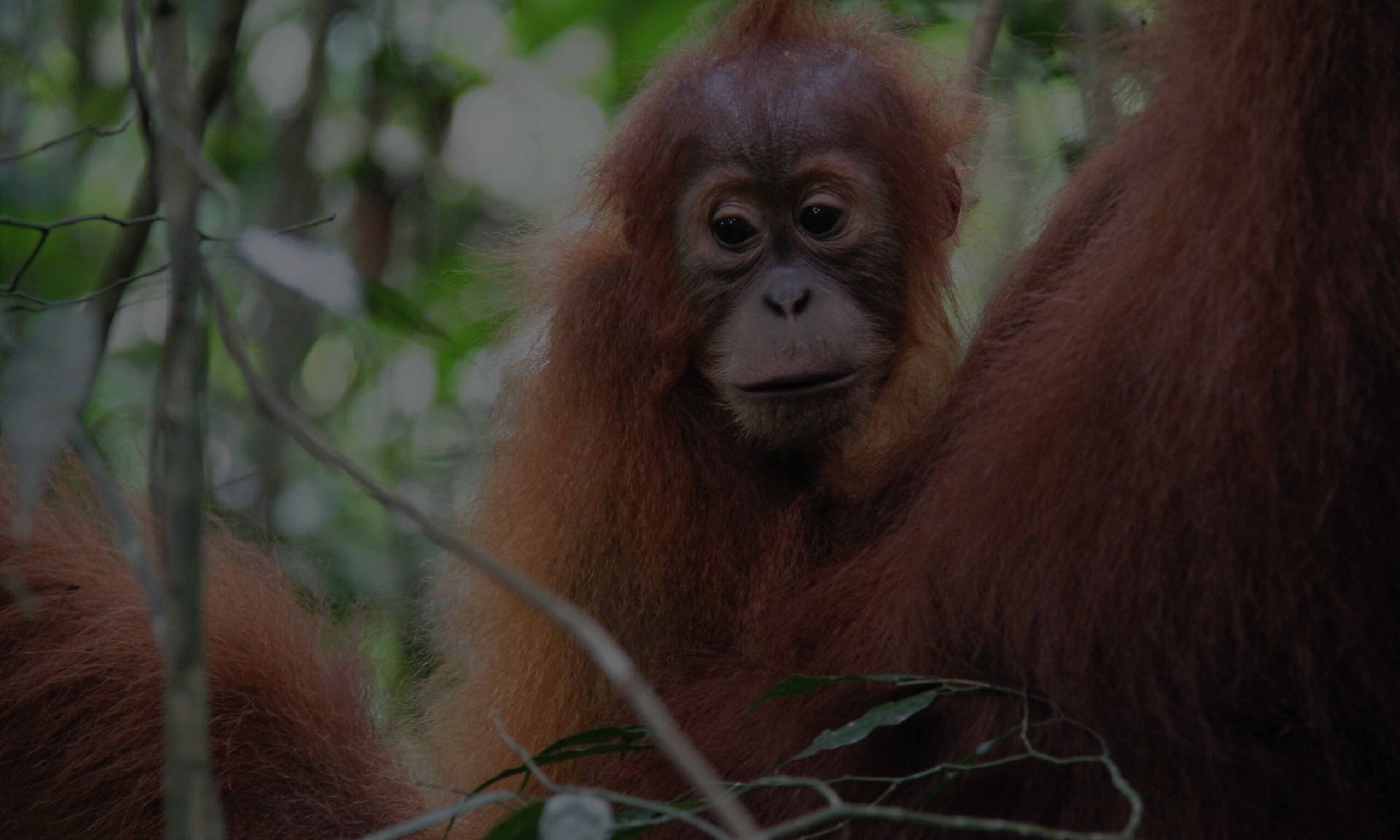
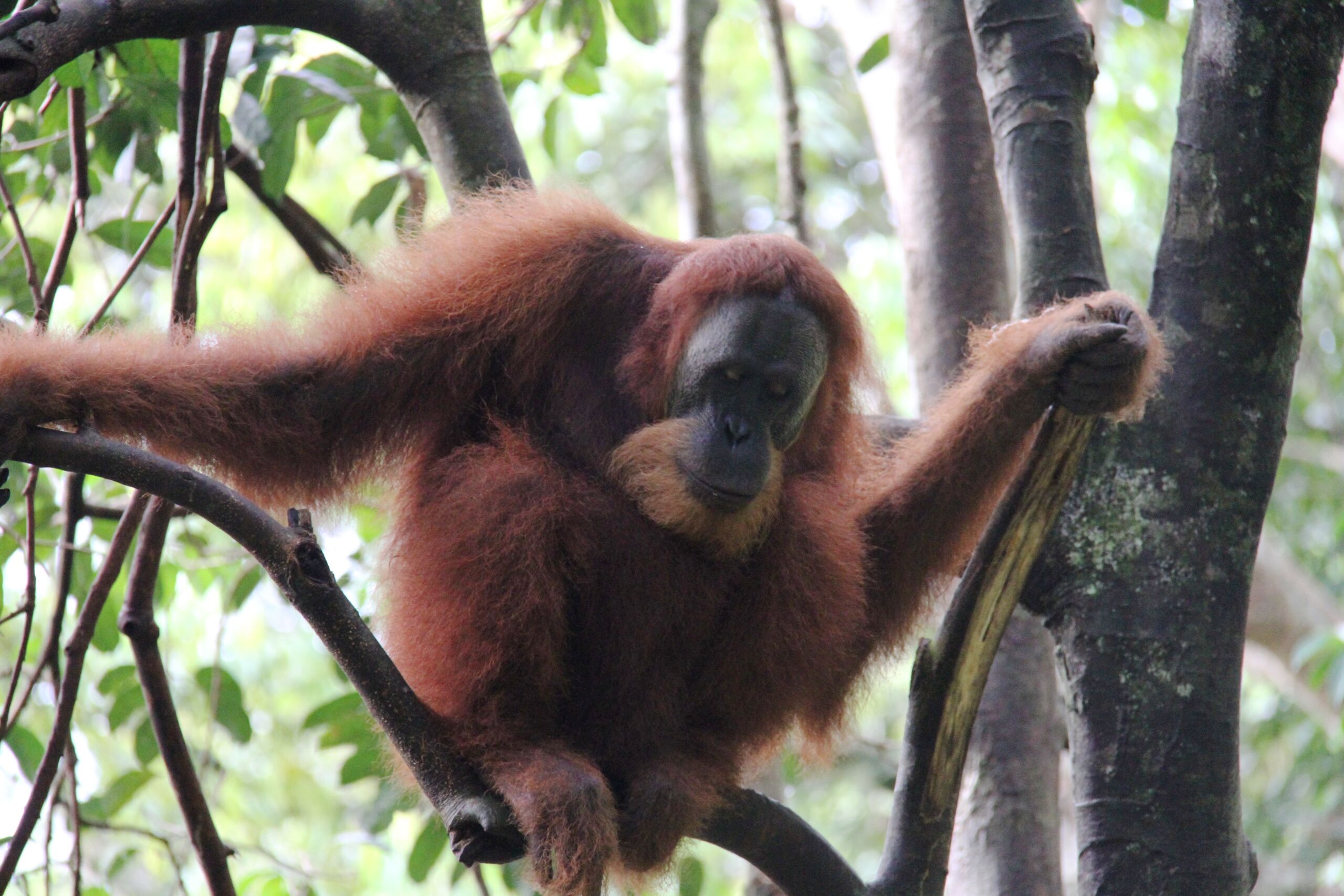
Sumatran orangutans have a lighter build and longer facial features compared to Bornean orangutans.
-
Adult male weight: 80–100 kg
-
Adult female weight: 30–50 kg
-
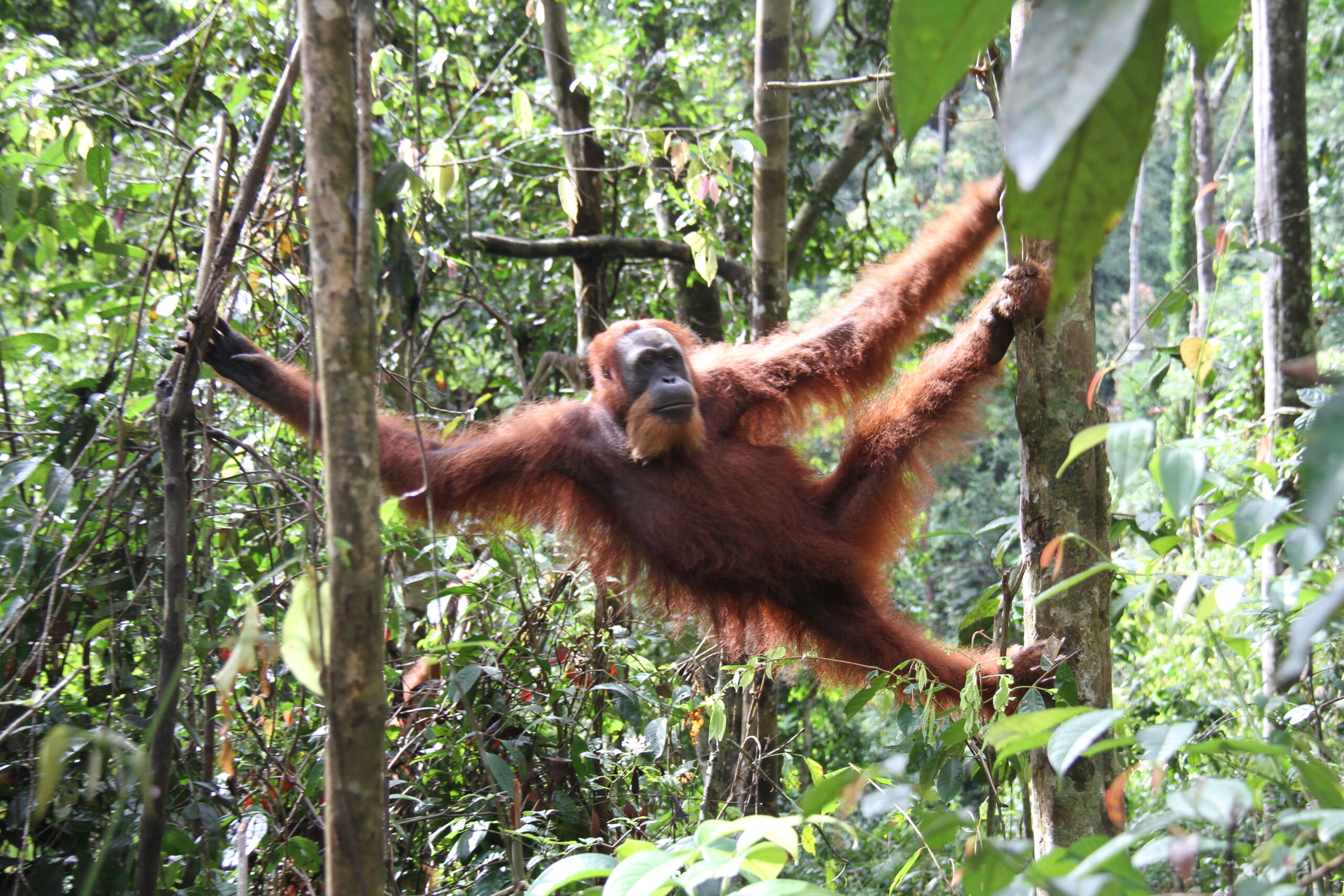
Arm span: Up to 2.2 meters
-
Fur color: Reddish-orange
-
Lifespan: 40–50 years (wild)
Sexual Dimorphism
-
Adult males may develop cheek flanges
-
Presence of a throat sac used to produce long calls
5. Intelligence and Cognitive Abilities
Sumatran orangutans rank among the most intelligent non-human primates.
They demonstrate:
-
Tool manufacture and use
-
Cultural transmission of behaviors
-
Spatial memory for fruiting trees
-
Problem solving and foresight
-
Emotional complexity and empathy
Their intelligence is comparable to that of young human children.
6. Behavior and Social Structure
Social Organization
-
Semi-solitary
-
Adult females live with dependent offspring
-
Adult males occupy large overlapping ranges
Reproduction
-
One infant every 7–9 years
-
Longest interbirth interval of any land mammal
-
Offspring remain dependent for 6–8 years
This slow reproduction makes recovery from population loss extremely difficult
7. Diet and Foraging Ecology
Sumatran orangutans are primarily frugivorous.
Diet includes:
-
Wild fruits (especially figs)
-
Leaves
-
Bark
-
Flowers
-
Insects
-
Honey
They adapt their diet seasonally, switching to fallback foods during fruit scarcity.

8. Habitat and Ecological Importance
Habitat Types
-
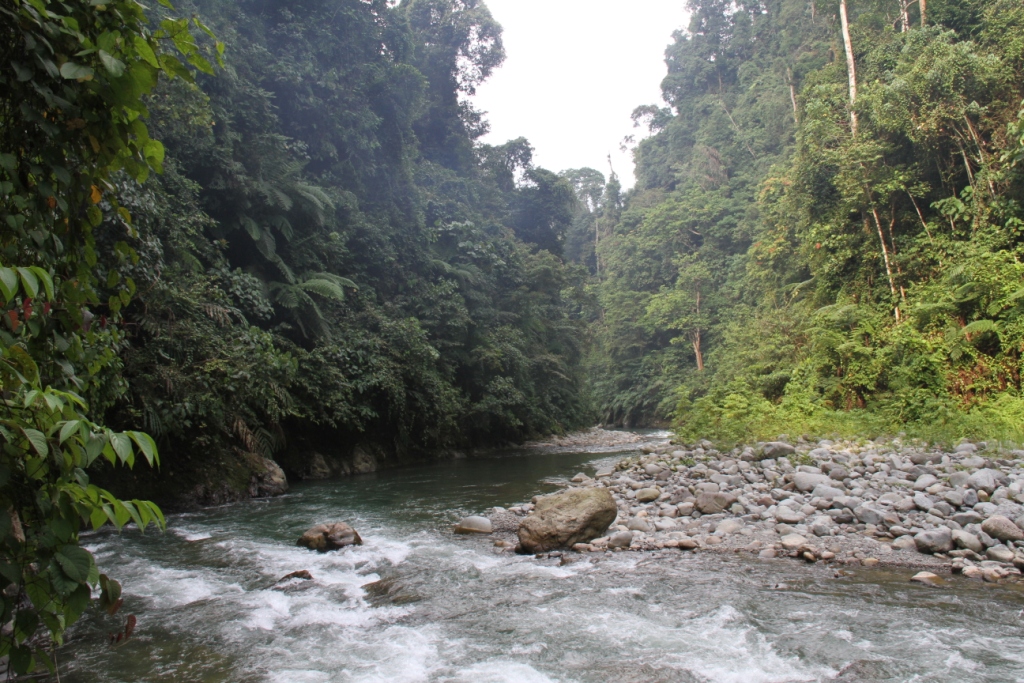
Lowland tropical rainforest
-
Peat swamp forests
-
Montane forests up to 1,500 m elevation
Ecological Role
Sumatran orangutans are a keystone species:
-
Disperse large seeds over wide areas
-
Maintain forest regeneration
-
Support biodiversity and ecosystem stability
Loss of orangutans leads to forest degradation.
9. Communication
Orangutans communicate using:
-
Vocalizations (long calls, grumbles, kissesqueaks)
-
Facial expressions
-
Gestures
-
Body posture
Adult males use long calls to signal dominance and location over distances exceeding 1 km.
10. Threats to Survival
1. Habitat Loss
-
Palm oil expansion
-
Logging and mining
-
Road development
2. Illegal Wildlife Trade
-
Infant capture for pets
-
Mothers killed during capture
3. Human–Orangutan Conflict
-
Crop raiding
-
Retaliatory killings
4. Climate Change
-
Disrupted fruiting cycles
-
Increased drought and forest fires
11. Conservation Efforts
Habitat Protection
-
National parks and protected areas
-
Forest corridors
-
Restoration projects
Law Enforcement
-
Anti-poaching units
-
Wildlife crime prosecution
Community Engagement
-
Environmental education
-
Sustainable livelihoods
-
Eco-tourism initiatives
Rehabilitation
Orphaned orangutans undergo:
-
Rescue and quarantine
-
Medical treatment
-
Forest school training
-
Behavioral assessment
-
Reintroduction into protected forests
-
Long-term monitoring
Rehabilitation can take over a decade.
12. Scientific and Ethical Importance
The Sumatran orangutan:
-
Shares ~97% of DNA with humans
-
Provides insight into human evolution
-
Raises ethical questions about habitat destruction and biodiversity loss
Its survival reflects humanity’s commitment to conservation.
13. Conclusion
The Sumatran orangutan is:
-
A critically endangered great ape
-
A cornerstone of rainforest ecosystems
-
An irreplaceable part of Earth’s natural heritage
Without immediate and sustained conservation action, the species faces extinction. Protecting the Sumatran orangutan means protecting tropical rainforests, climate stability, and biodiversity for future generations.