Fascinating Facts About Sumatra Customs. culture and traditions
Sumatra is one of the most incredible and ecologically rich islands in the world — a true gem of Indonesia’s natural and cultural diversity. Whether you’re planning a visit or just curious about this tropical paradise, here are some must-know facts about Sumatra that will inspire your journey.
Where Is Sumatra?
Sumatra is located in western Indonesia and is the largest island entirely within Indonesian territory. Globally, it’s the sixth-largest island in the world, offering vast landscapes, wild rainforests, and vibrant culture.
North Sumatra & Medan
The island is divided into several provinces, and one of the most well-known is North Sumatra, with its capital city Medan. North Sumatra lies between the Indian Ocean and the Strait of Malacca, and borders Aceh to the northwest, and Riau and West Sumatra to the southeast. Medan serves as the main gateway for most international travelers arriving in northern Sumatra.
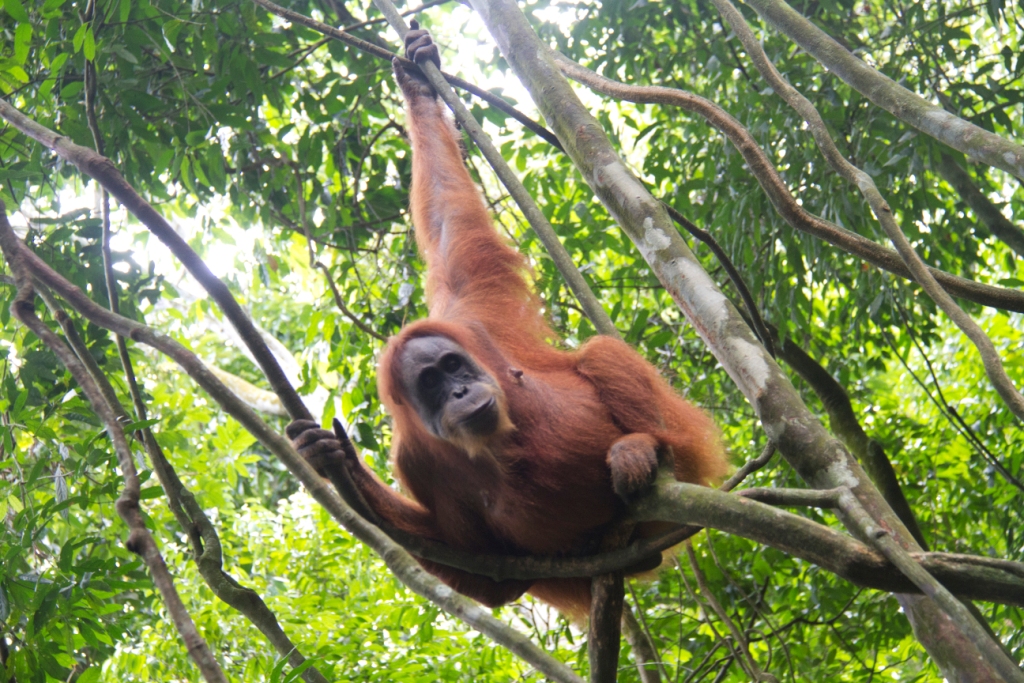
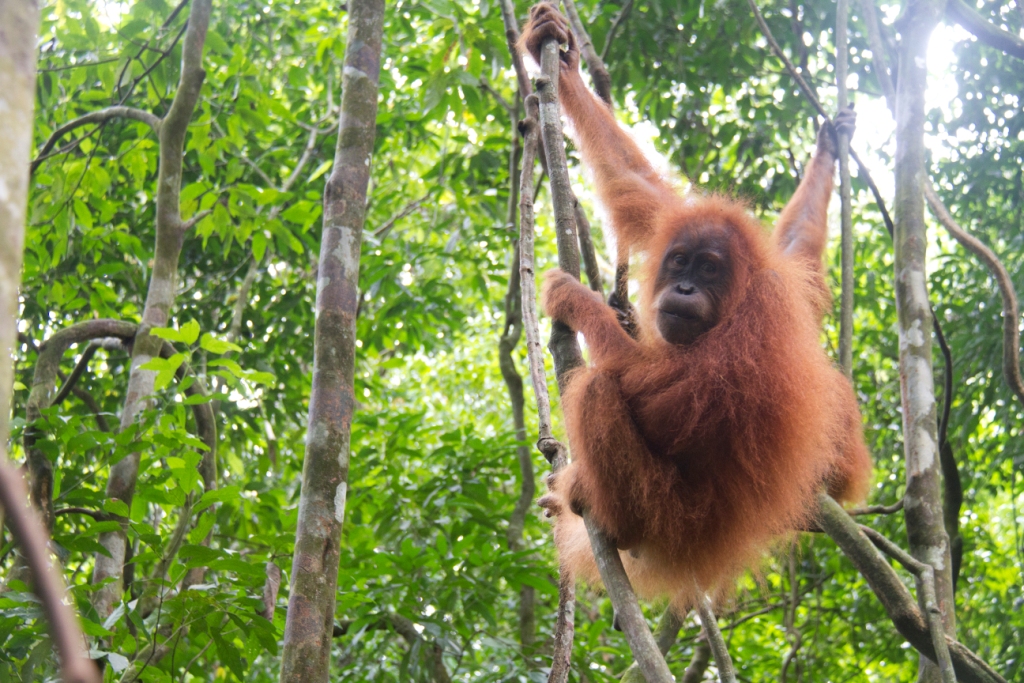
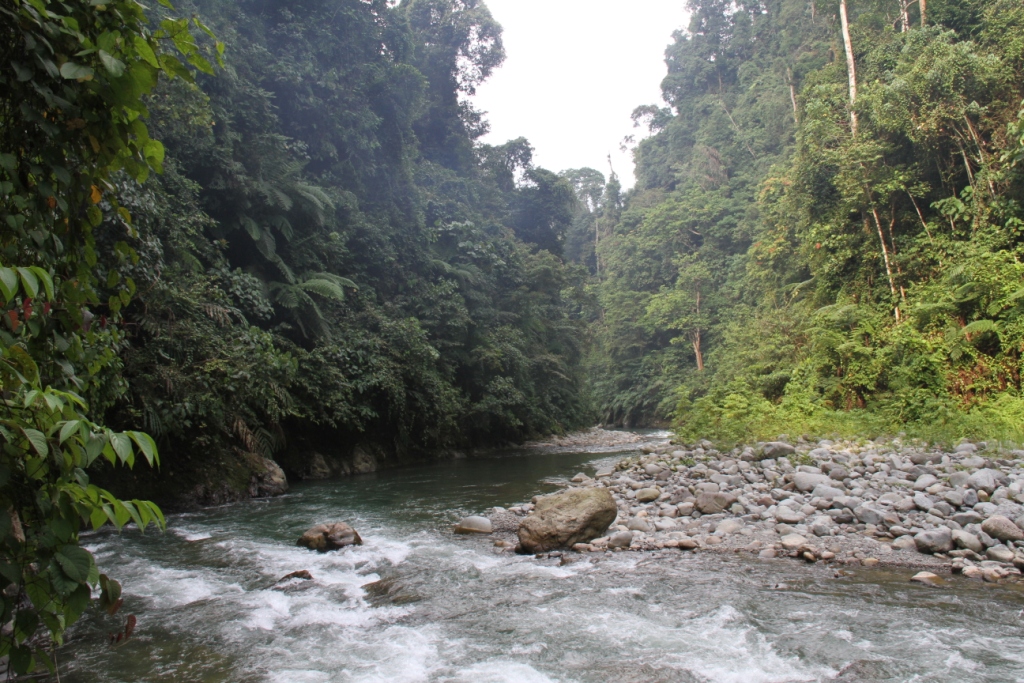
Gunung Leuser National Park | Wildlife, Orangutans & Jungle Trekking in Sumatra
National Parks & Biodiversity
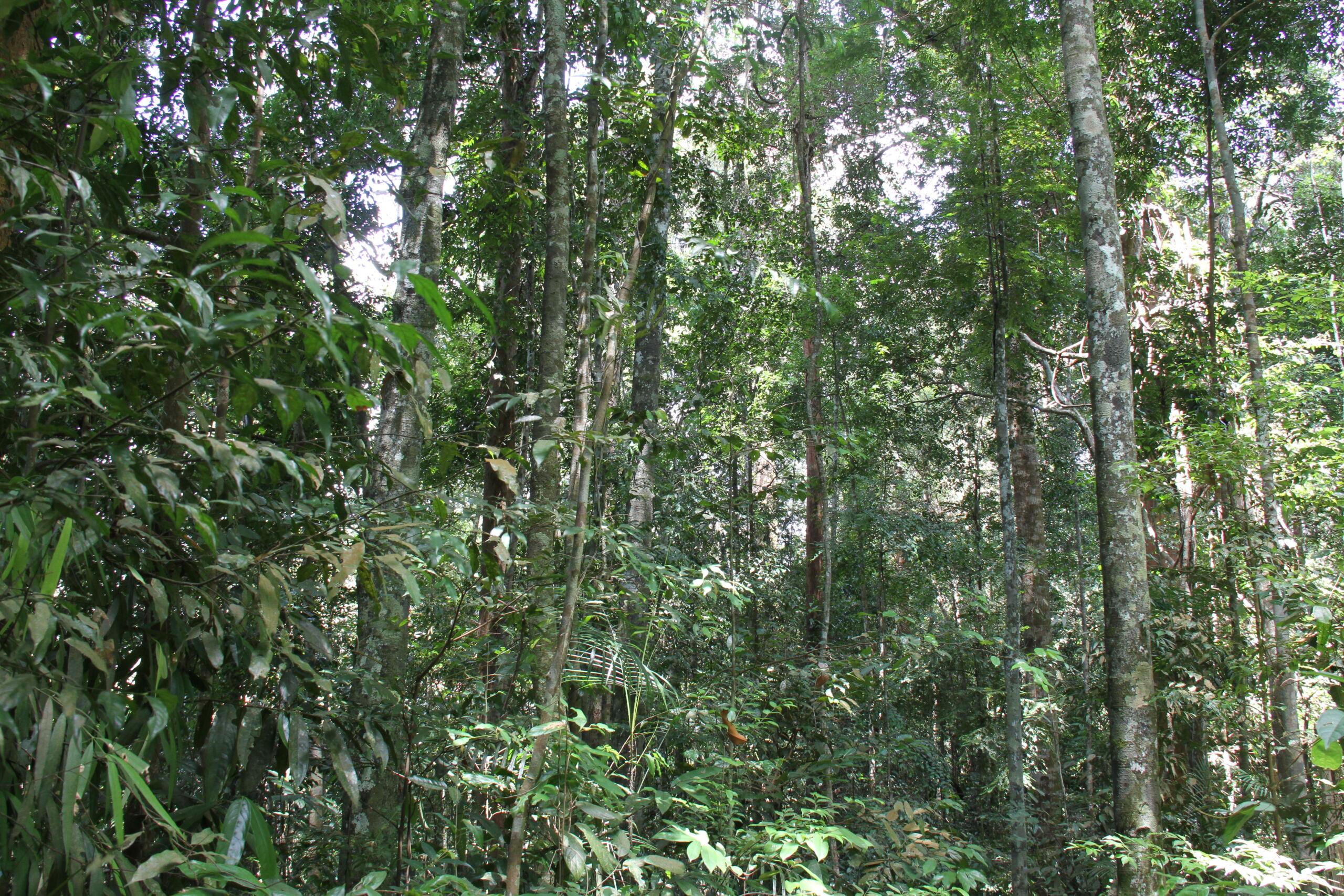
Sumatra is a paradise for nature lovers and wildlife enthusiasts. The island is home to over 10 national parks, including three UNESCO World Heritage Sites:
-
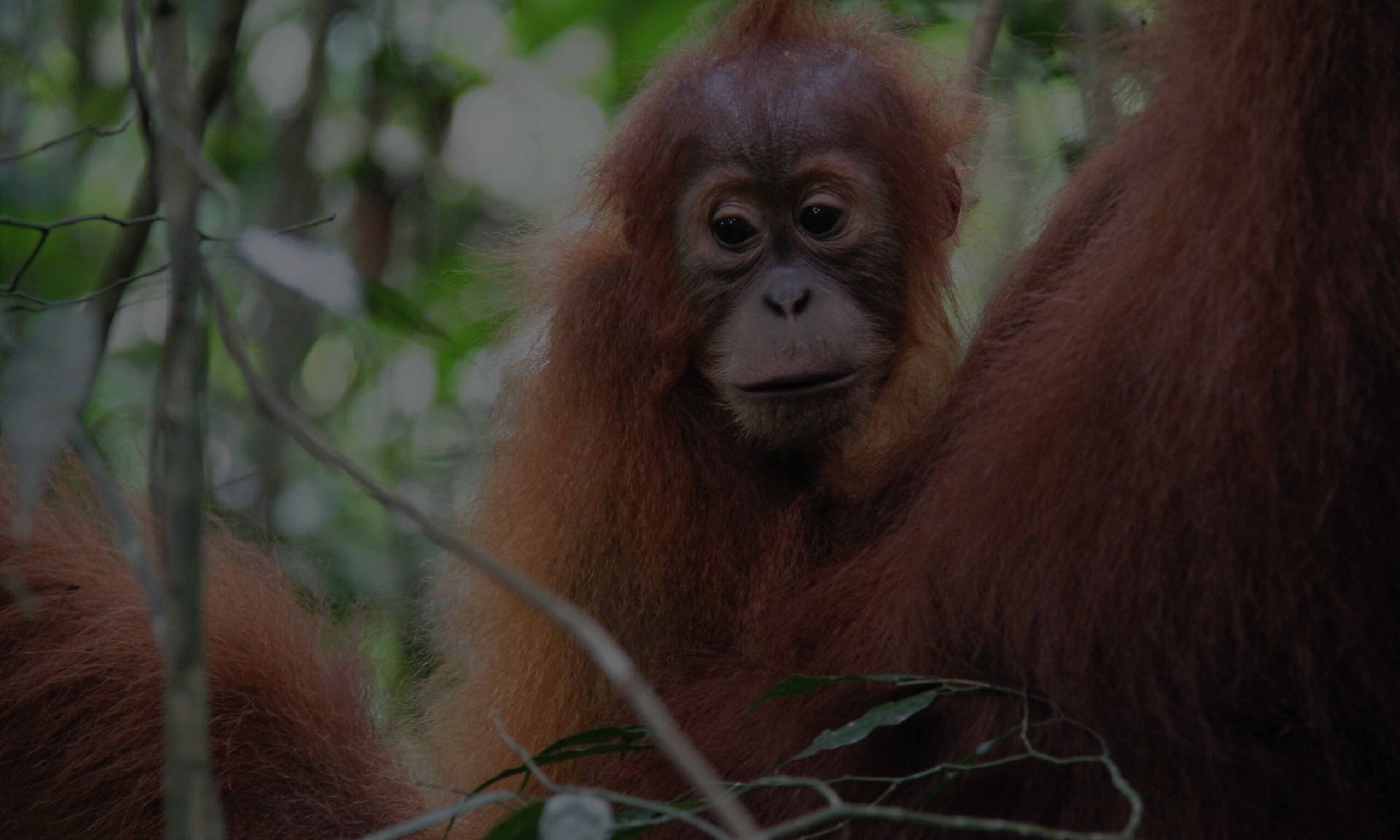
🌿 Gunung Leuser National Park (home to the endangered Sumatran Orangutan)
-
🌿 Kerinci Seblat National Park
-
🌿 Bukit Barisan Selatan National Park
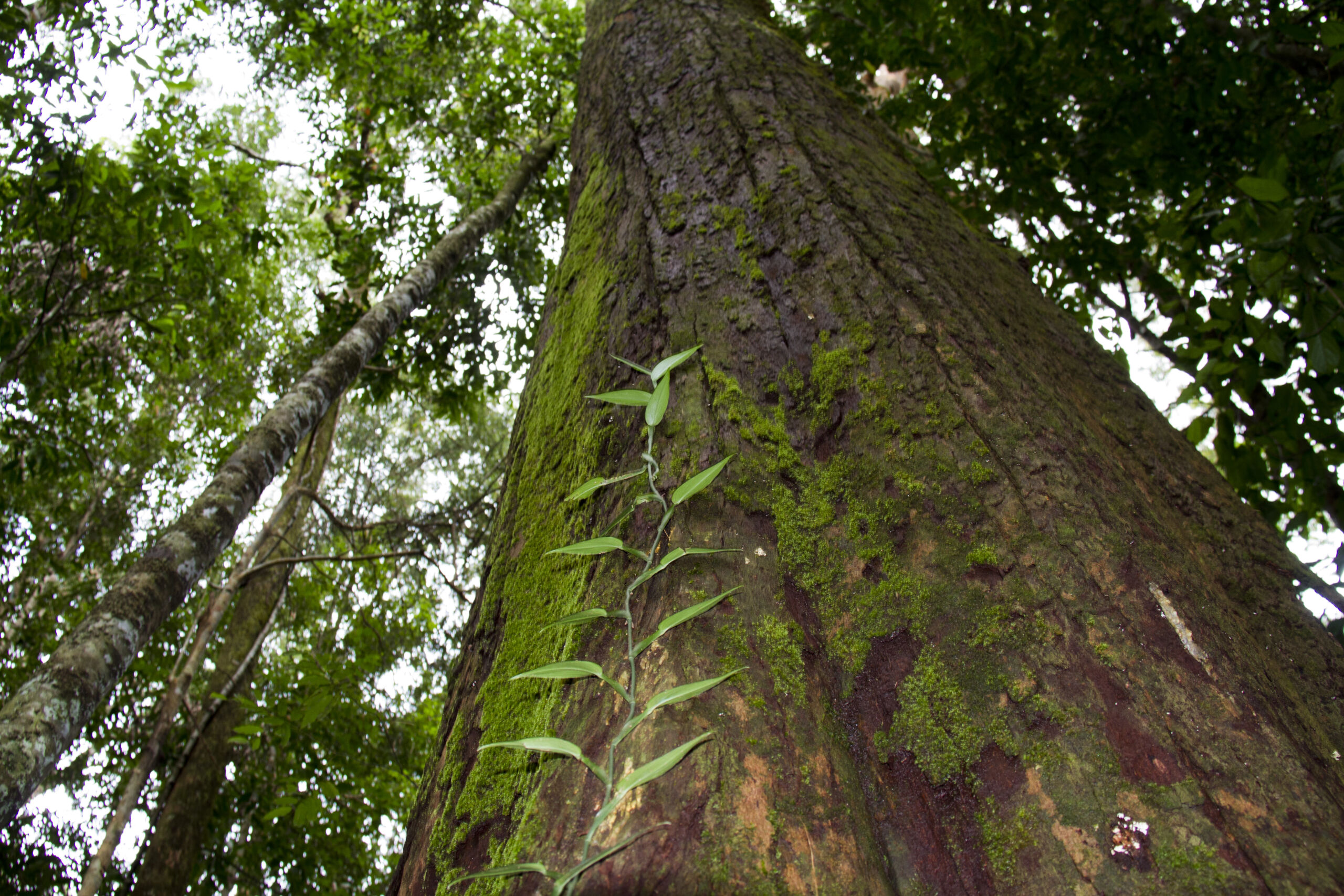
Together, these parks make up the Tropical Rainforest Heritage of Sumatra, a global treasure of biodiversity.
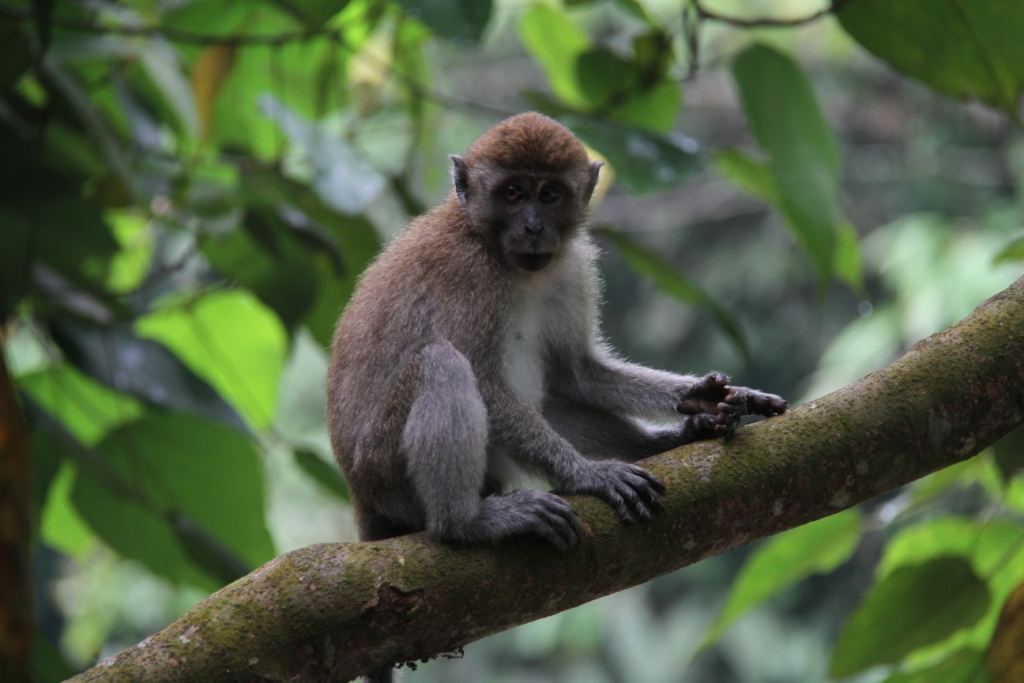
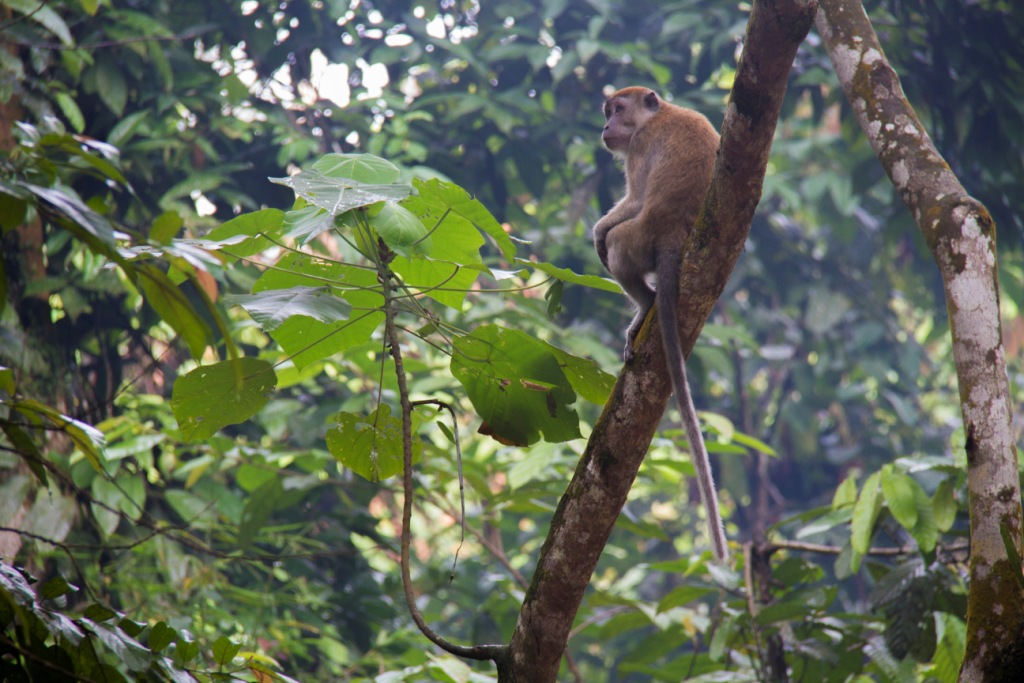
Sumatra supports a remarkable variety of wildlife:
-
🐘 201 mammal species, including the rare Sumatran tiger, Sumatran rhino, and Sumatran orangutan
-
🐦 580 species of birds, making it a dream destination for bird watchers
Unfortunately, the island has lost nearly 50% of its rainforest cover in the past 35 years, putting many species at risk of extinction. Eco-tourism plays a crucial role in supporting local conservation efforts.
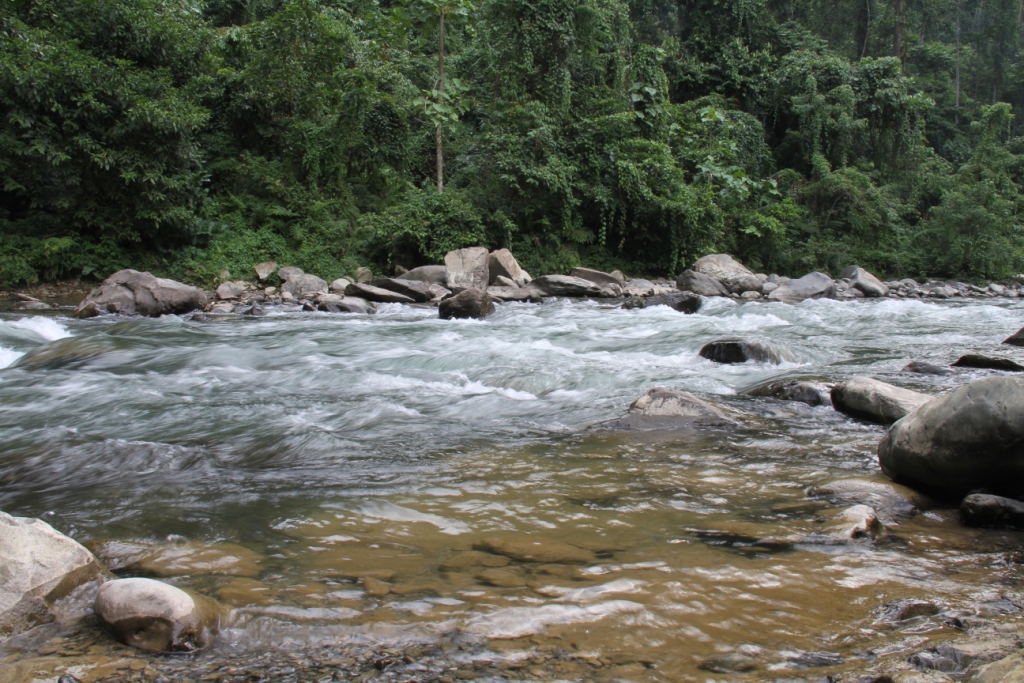
Bukit Lawang, Sumatra – Gateway to Wild Orangutans & Jungle Adventures
People, Languages & Religions
Sumatra is as diverse culturally as it is biologically. The island is home to dozens of ethnic groups who speak more than 50 different languages — many of them related but distinct.
Ethnic Highlights:
-
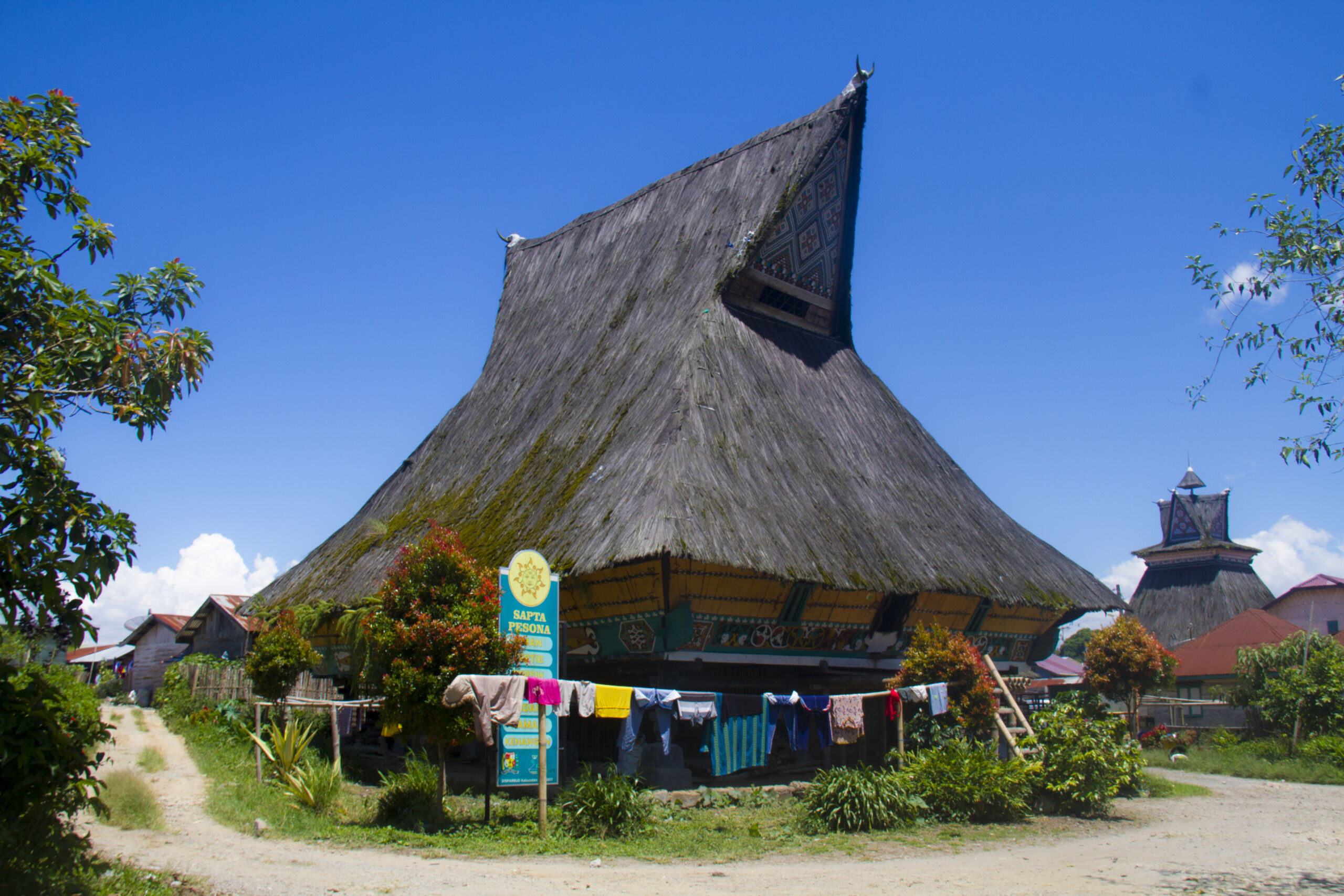
The KARO people live in the highlands of northern Sumatra
- The BATAK people live along the coastline of Lake Toba
-
The Minangkabau and Lampung people dominate the southern and central regions
-
The Acehnese are found in the northernmost part of the island
-
Malay-speaking communities reside along the eastern coast
-
Chinese-Indonesian minorities live in many urban areas
Religion:
-
Around 87% of Sumatrans are Muslim
-
About 10% are Christian
-
Small communities follow Buddhism and Hinduism
This cultural blend shapes the island’s unique traditions, food, festivals, and daily life — making every visit a rich cultural experience.
What to do around Bukit Lawang?
-
Wild / semi Sumatran Orangutans – See critically endangered orangutans in their natural habitat.
-
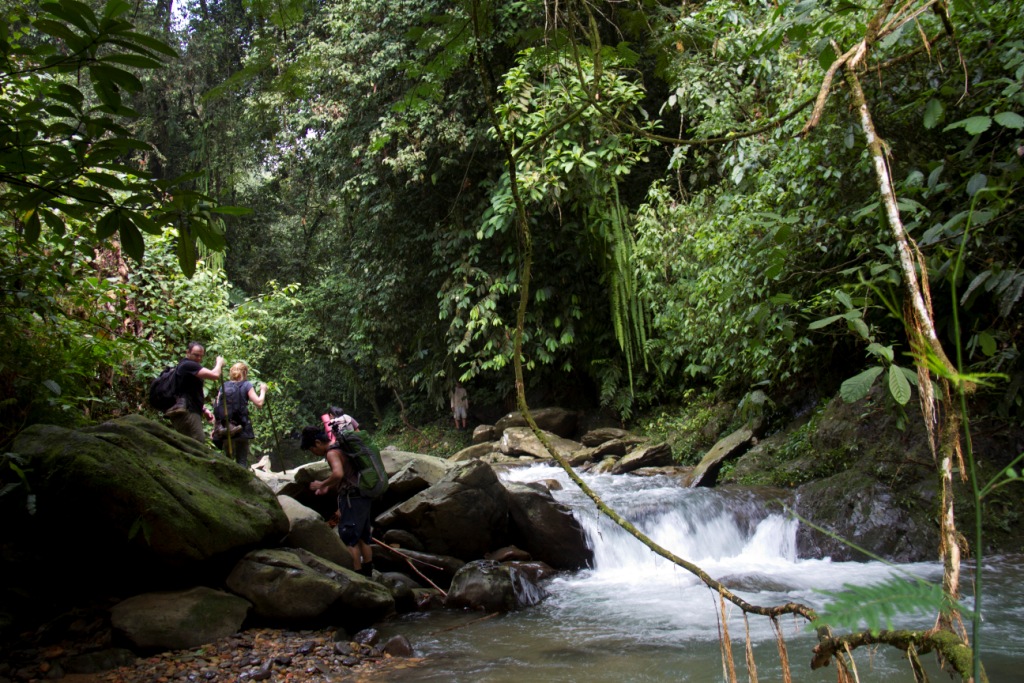
Jungle Trekking – Explore pristine rainforests with experienced, eco-certified guides.
-
River Tubing & Waterfalls – Relax in the Bohorok River or cool off in natural waterfalls.
-
Eco-Tourism Hub – Home to sustainable guesthouses and conservation-focused tours.
- Bat Cave | Landak River – Stroll for 4 minutes toward another part of the the village will take you to the Bat Cave. Explore the beautiful formation of rocks. ( Stalactites and stalagmites)
- Village Tour by tuk tuk – Explore the village with activities such as : Palm leaves Weaving, Palm Sugar making or tofu or tempe production and coconut water drink or even try some durian fruit
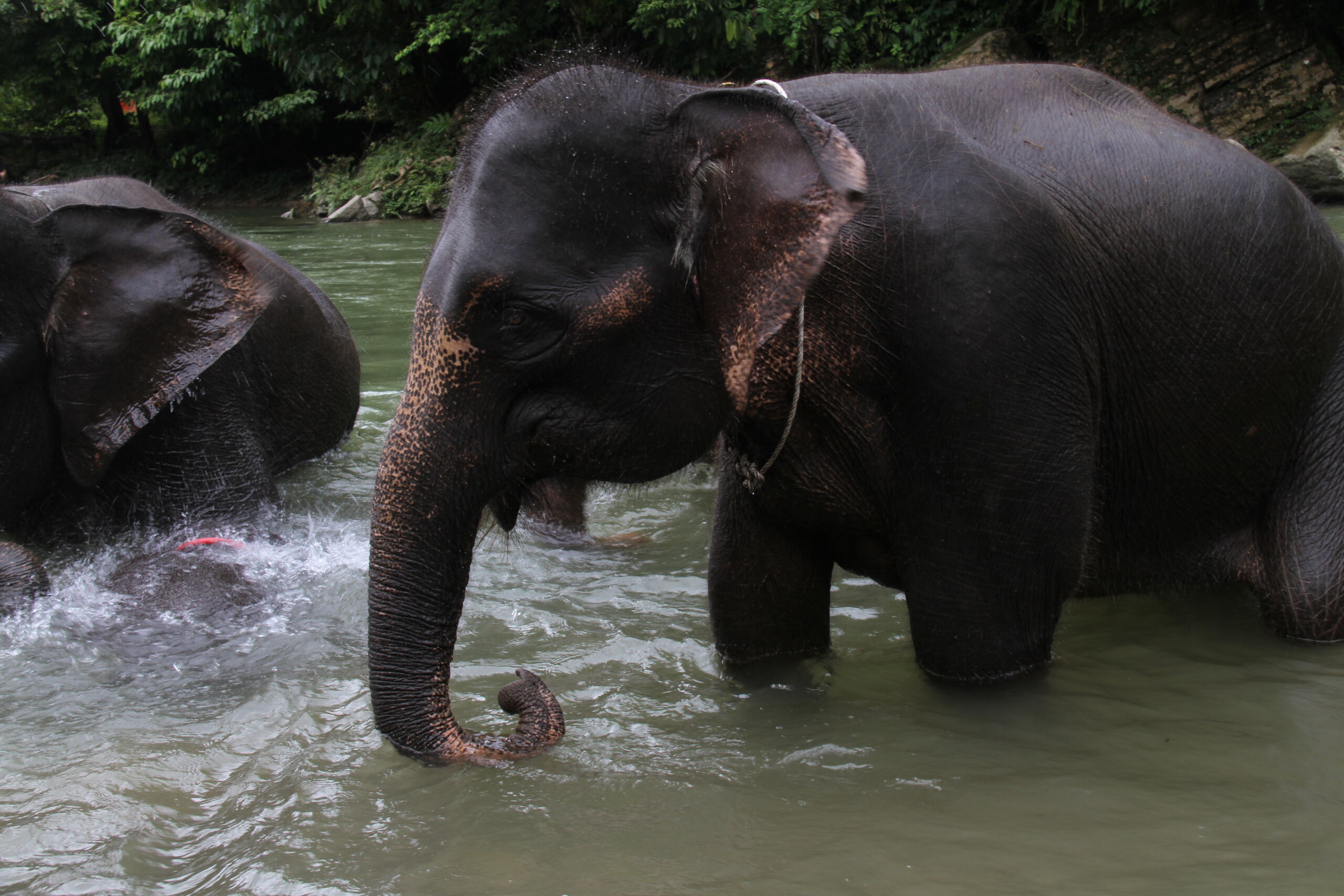
- SUMATRA ELEPHANT SANCTUARY -Drive trough the palm oil plantation or take a scooter for 2 hours will take you to another Nasional park Entrance – TANGKAHAN. There will be some elephant observation activity or walking with the elephant to the jungle.
Tangkahan, North Sumatra – The Hidden Jungle Paradise of Indonesia
Sumatra Customs & Cultural Etiquette
Understanding local customs is key to having a respectful and immersive travel experience in Sumatra. Here are some essential cultural tips to help you connect better with local communities during your visit.
Greetings & Social Etiquette
-
A handshake is appropriate between men and women, but some Muslim women may prefer to greet men with a smile, nod, and hands clasped — without physical contact.
-
When shaking hands, it is polite to use both hands without a firm grip.
-
It’s customary to remove your shoes before entering someone’s home or any mosque or temple.
Dining & Offering Respect
-
Guests are usually offered a drink — it’s considered polite to accept.
-
Always use your right hand for eating, giving, or receiving items.
-
Avoid pointing with your index finger — instead, use your thumb with your fingers folded in.
-
Don’t be surprised if someone asks: “Sudah makan?” (Have you eaten?) It’s a common and warm greeting in Indonesia. Just reply, “Sudah” (Already).
Alcohol, Food & Modesty
-
Most Muslim locals do not consume pork or alcohol. Avoid offering alcohol or proposing toasts unless you are certain it’s acceptable.
-
Women travelers should dress modestly, especially in religious or conservative areas like Aceh. Keep shoulders and knees covered when in public spaces.
-
When swimming, it’s best to wear a t-shirt and shorts rather than a bikini, especially when locals are present.
Friendly Locals & Common Phrases
Indonesians — especially in rural Sumatra — are famously friendly, curious, and smiley. Expect to be greeted warmly and often asked:
-
“Where are you from?”
-
Called “Mister” (even if you’re a woman) — it’s a cultural quirk and not meant disrespectfully.
These interactions are part of the charm of visiting Sumatra and offer great chances to engage and connect.
Berastagi – Volcano Views, Highland Culture, and Fresh Mountain Air
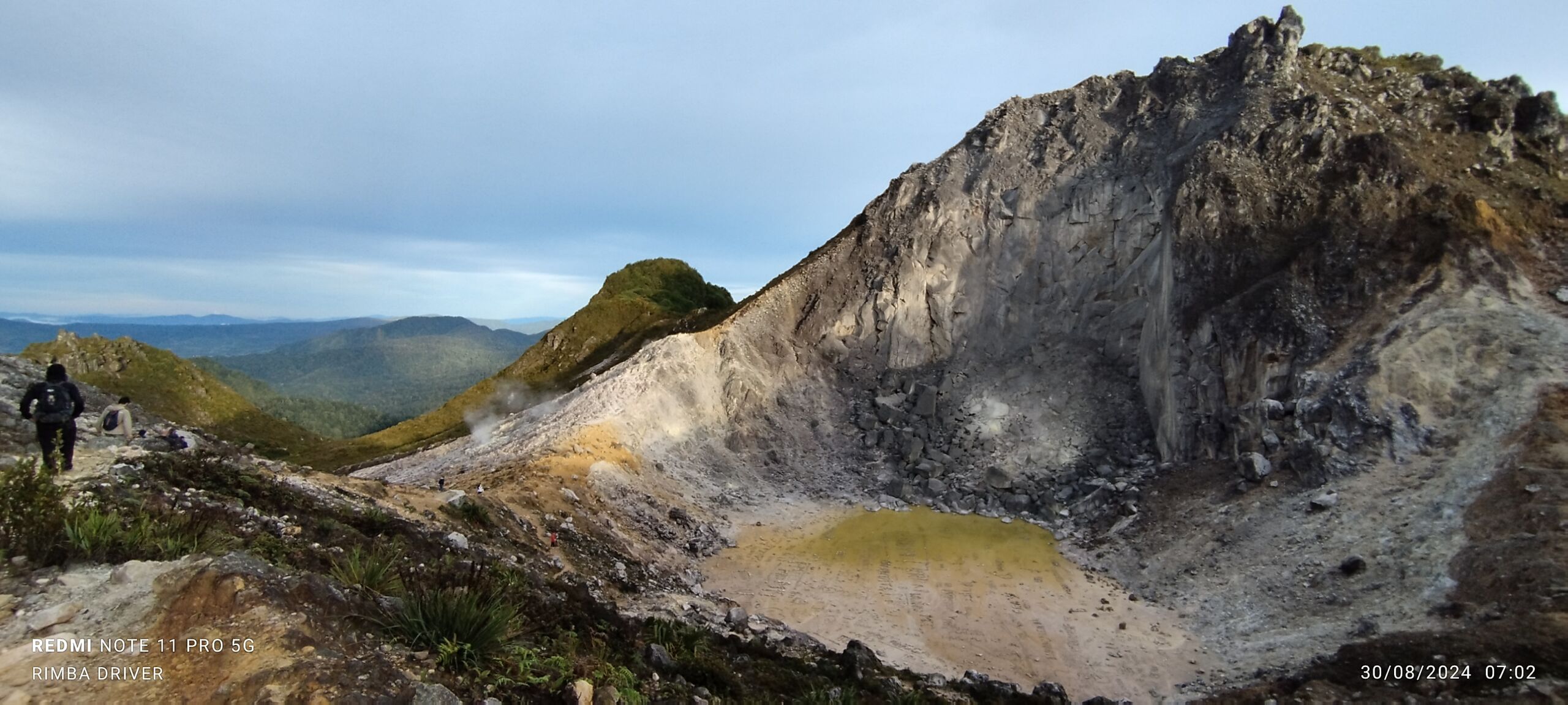
Berastagi (sometimes spelled Brastagi) is a scenic highland town located in the Karo Highlands of North Sumatra, Indonesia, about 1,300 meters above sea level. It’s part of the Karo Regency and lies approximately 2 hours (66 km) from Medan, the provincial capital.
Berastagi Famous for its cool mountain climate, active volcanoes, fruit and flower markets, and home to Karo Tribe rich with culture and traditions, Berastagi is a popular getaway for both locals and international travelers. Berastagi is located between Medan city and the famous sumatra jungle of KETAMBE
Berastagi offer a very scenic panorama view and very cool climate. It can be cold during night time. The soil are very fertile due to the volcanic area and good temperature for growing many different crops. Basically, Karo highland region is a fruit and veggies basket for the surrounding area. The karo people are mainly farmers. Theyye rely on the land and live by it. The karo people are very welcoming.
Karo Region terrain are very mountainous. There are two actives volcanoes in this region. Mount Sinabung nad Mount Sibayak. Its popular among the local tourist for get away destination for its cool climate, scenic view and volcano hike with the Hot spring and fruit and veggies market.
Travel Tip: Respect Opens Doors
By understanding and embracing local customs, you’ll gain deeper insight into Sumatra’s rich culture and create more meaningful connections with the people you meet. It’s a respectful and rewarding way to travel — and will make your journey unforgettable.